
Ali Eyal
On Survival, Storytelling, and Healing Through the Canvas
Written by Nayla
“I’m more like a storyteller.
Every work is connected to something that happened to me personally.”
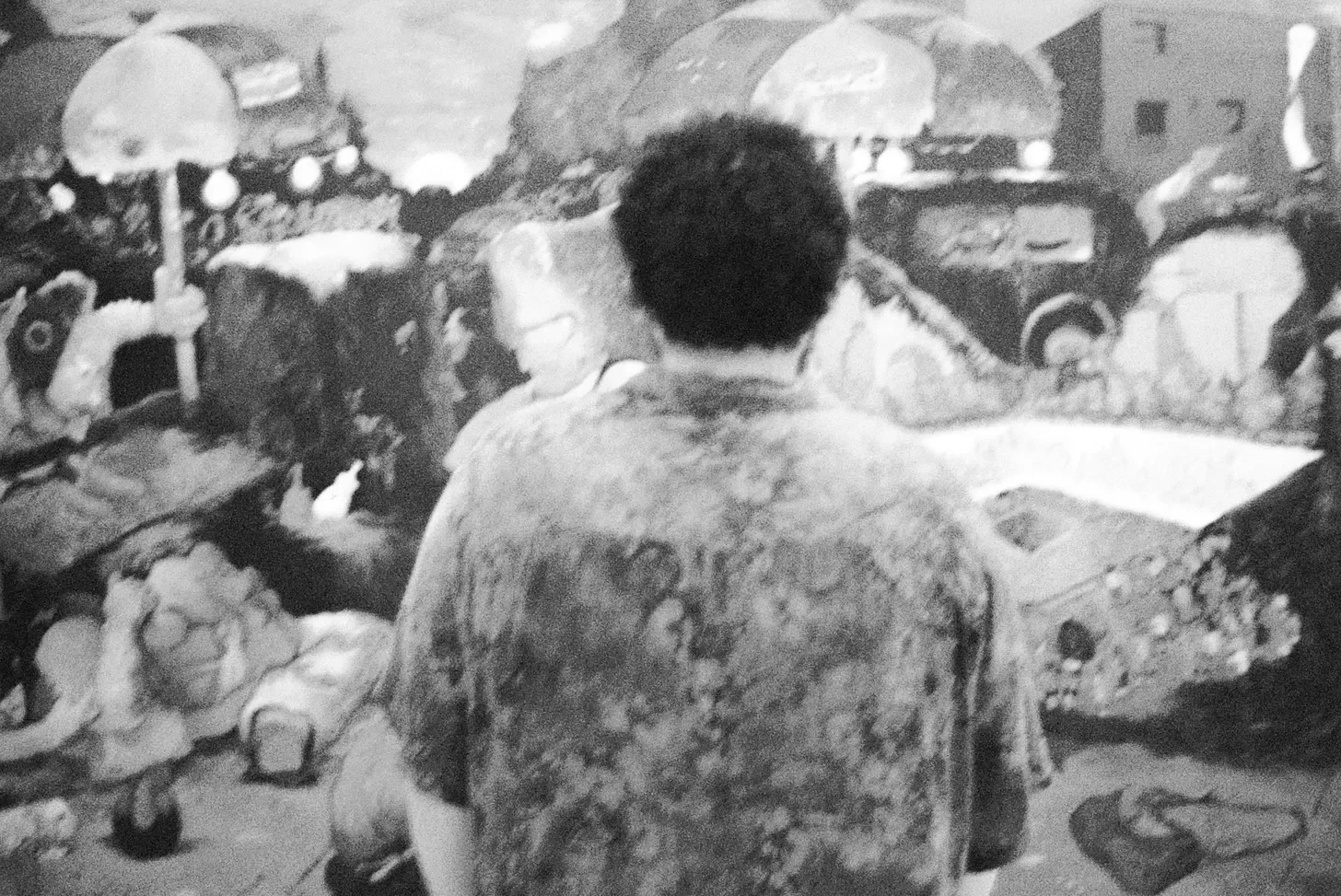
Photo by Gabriel Noguez
For Ali Eyal, an Iraqi artist whose practice moves across painting, drawing, writing, video, installation, and sculpture, storytelling is shaped by both memory and invention. Having grown up in Iraq through war, sanctions, violence, and instability, Eyal draws closely from his own life, but rarely presents experience as a direct account. Instead, it reappears through fictional identities, imagined collaborations, humour, altered objects, and worlds with their own internal logic. He describes his practice as an open book, with each work forming part of a larger story.
Art has offered him both an emotional and material form of refuge. “It has saved me,” he says, a statement he means, at times, quite literally. In the studio, that refuge takes a different form. “I can heal through the canvas,” he says.
That practice has since become a kind of open book: Eyal numbers his works as pages, “like a page of a book.” “I lived a life that was full of stories,” he says. “It is hard to ignore them.” Rather than reproduce memory directly, he works as a storyteller, changing names and rearranging details as one page leads to the next.
Colour helps make that telling possible. “When I revisit them, the colours make it safer to go into the events,” he says.
He invents when memory becomes difficult, finds humour where he can, changes names, builds other characters, and lets stories take forms that were not available to him when they were first lived.
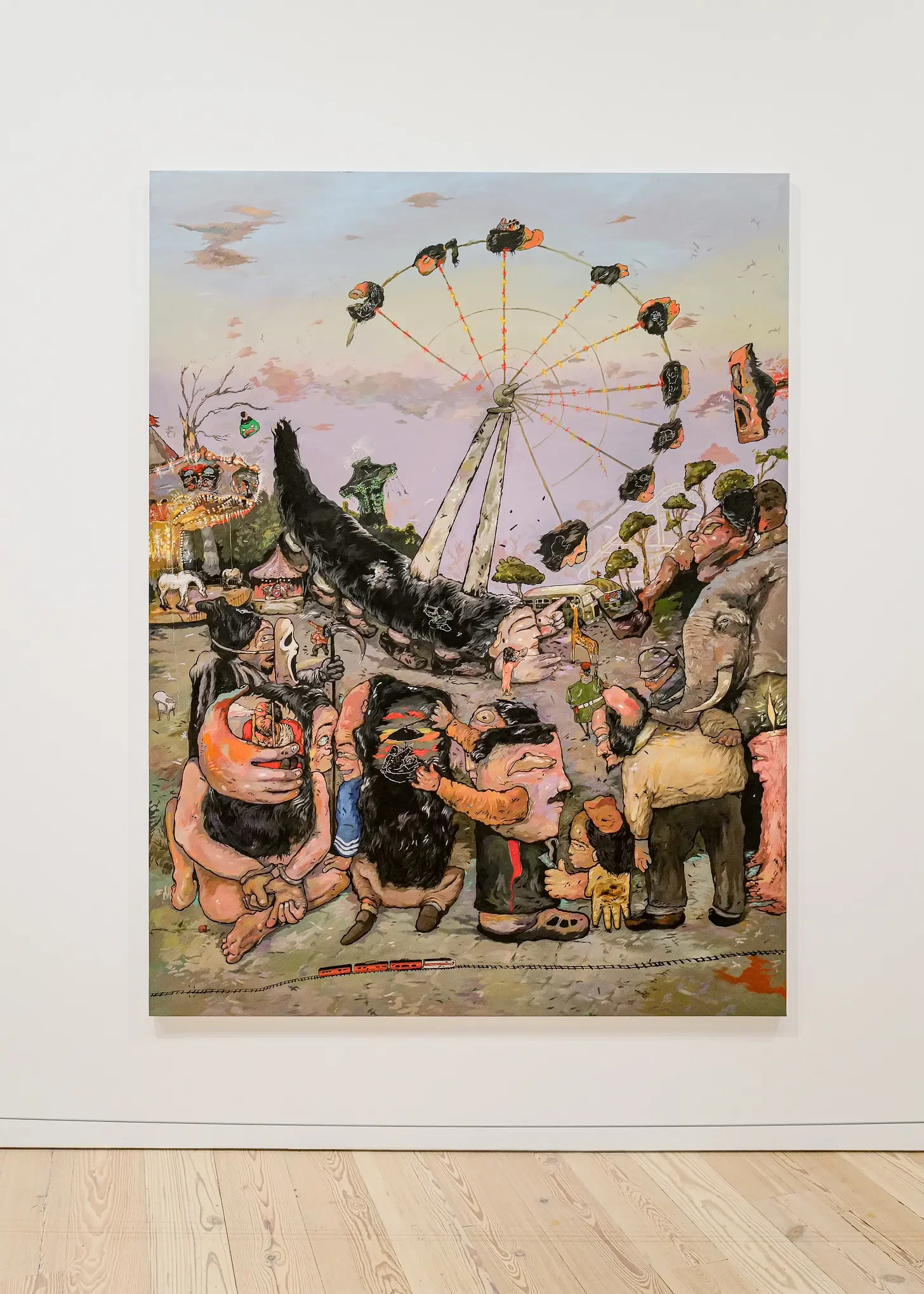
Look Where I Took You, 2026. Photograph by Jason Lowrie. © BFA 2026
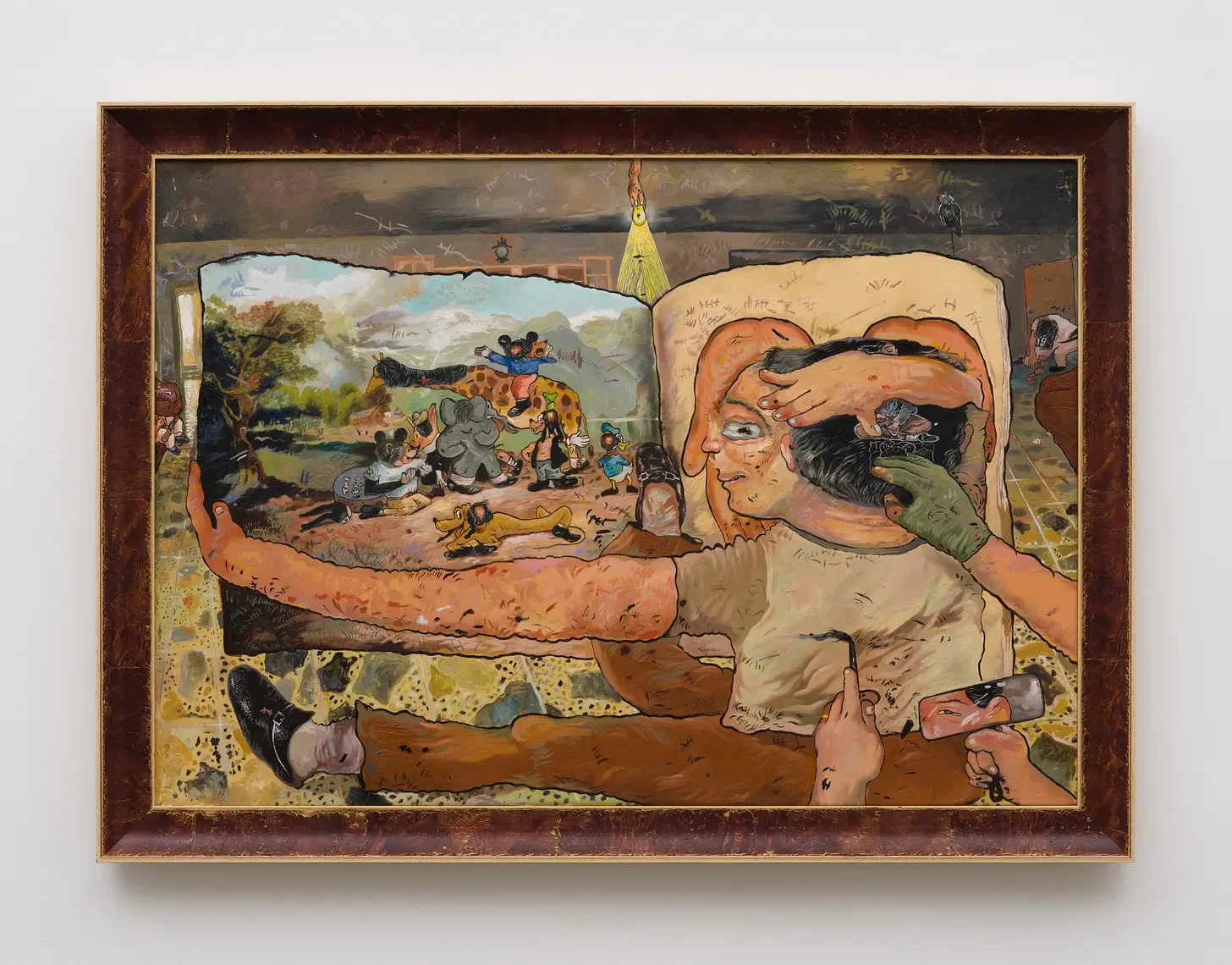
I wished I could take a step and live with them, but, 2025. Photo by Jeff McLane.
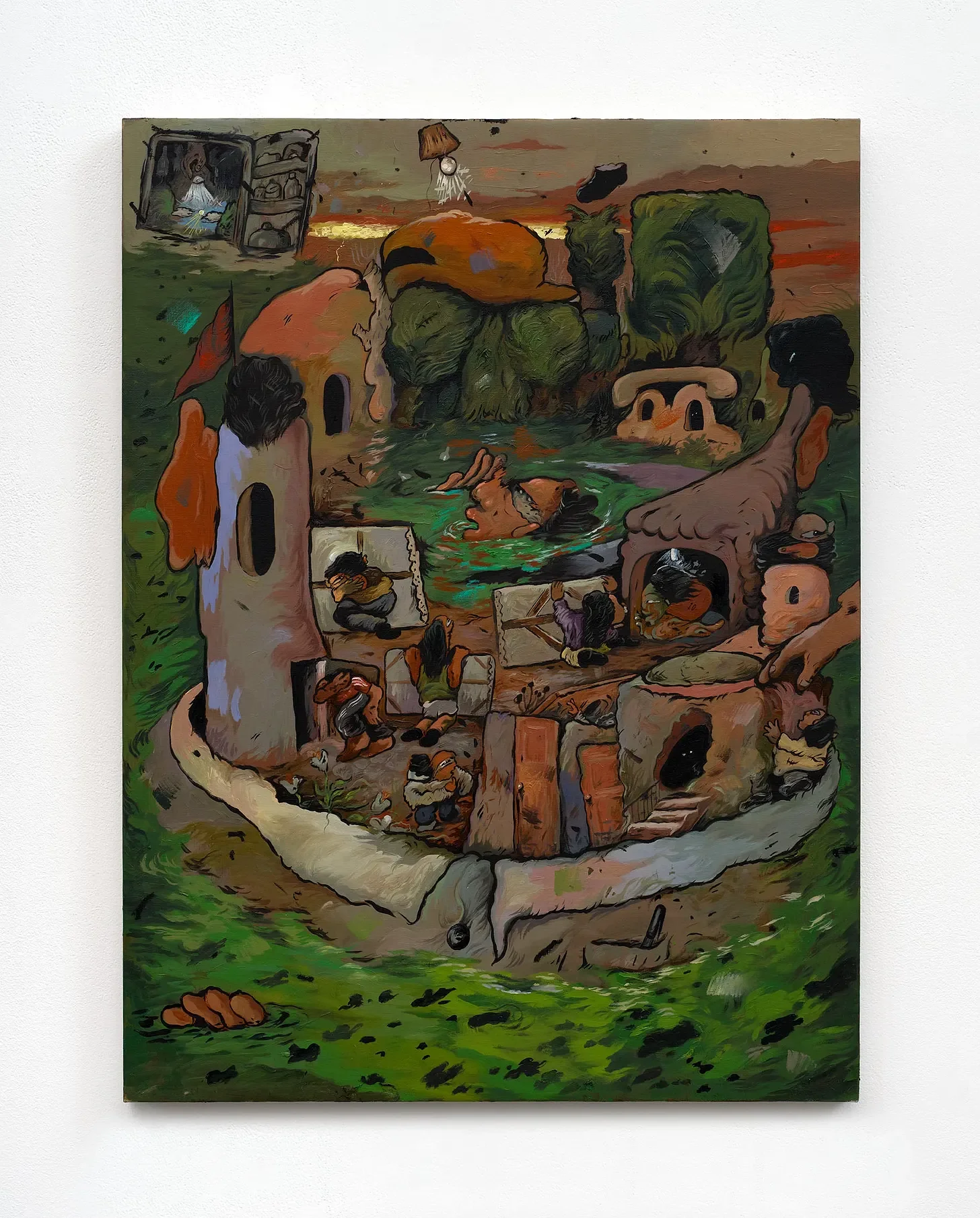
Hide and Seek While Drowning, 2026. Photo by Paul Salveson.
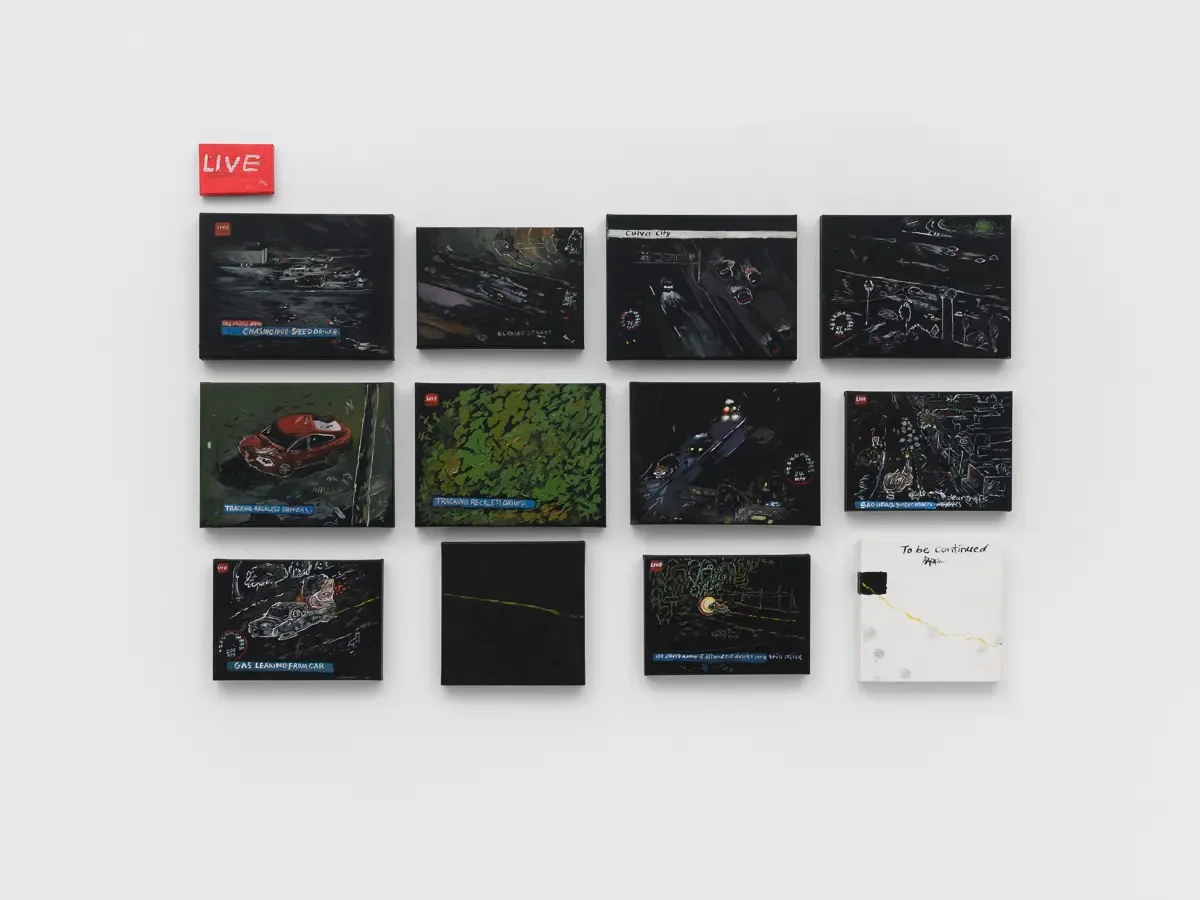
Something is Happening LIVE!, 2026. Photo by Marjorie Brunet Plaza.
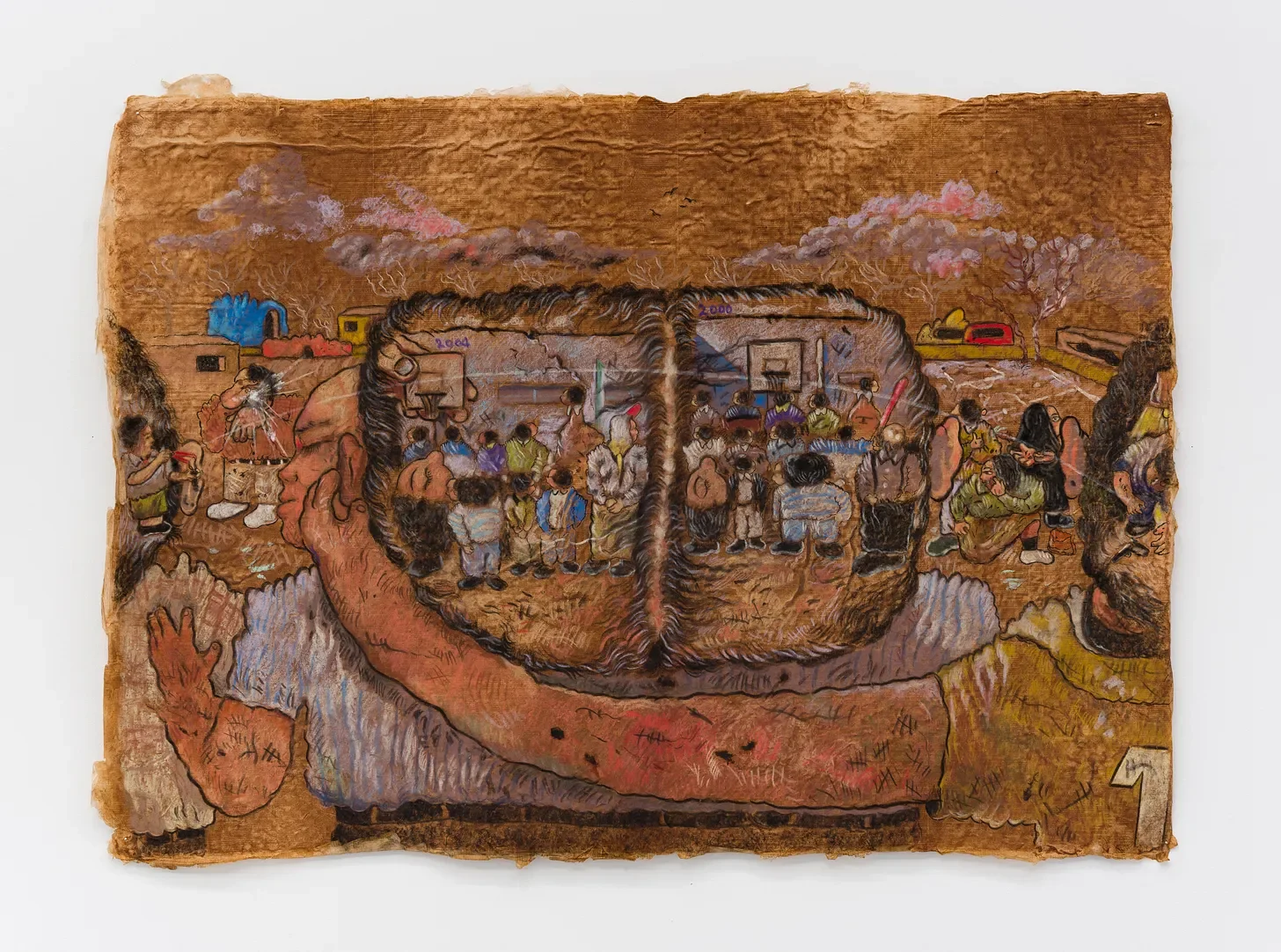
Just a group school photo, but.. 2025.
All images copyright and courtesy of the artists and Sara’s, New York
The full interview is exclusively in print in Issue 4.
Words Copyright of Naso Art Journal
