
The Importance of Residencies
Written by Sarah
Artist residencies have existed in different forms for centuries. One of the better-known early models is the French Academy in Rome, established in 1666, which gave artists the opportunity to live and work in Rome while studying its artistic heritage. Jean-Honoré Fragonard was a resident there between 1756 and 1761. During his time at the Academy, Fragonard travelled through Italy and spent the summer of 1760 at Villa d’Este in Tivoli, where he produced a number of drawings during his stay, including Les lavandières. Being able to travel and work in different surroundings became an important part of Fragonard’s experience during this period.
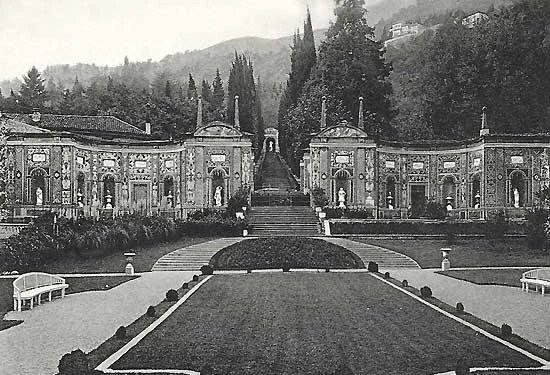
Villa d’Este, 1920. © Villa d’Este
The residency has changed considerably since then. Today, programmes range from short research stays to year-long placements, and can offer studios, accommodation, financial support, equipment, professional advice and opportunities to present work. Although residencies take many different forms today, they continue to give artists space and support to develop their practice.
Space is one of the most important benefits. Having somewhere to work is not a given for an emerging artist. Studio rents, materials and everyday living costs can make sustained artistic practice difficult, especially for artists without financial support. A residency can provide a studio and, depending on the programme, accommodation, a stipend or help with production costs. This creates time that might otherwise be spent working elsewhere to pay for the ability to make work.
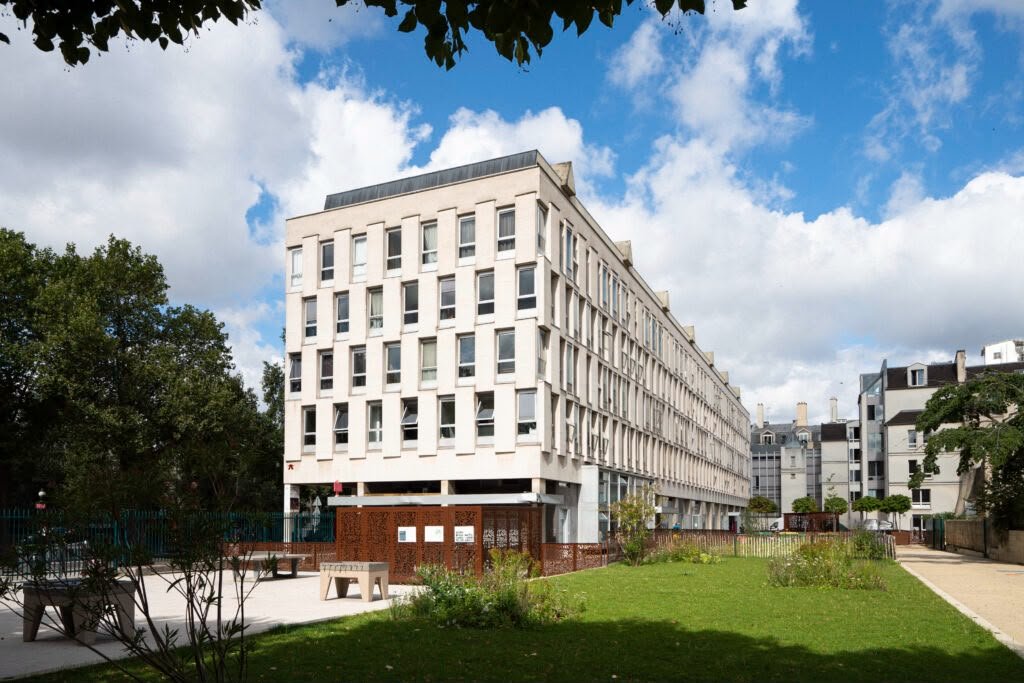
Image Courtesy of Cité des arts, Paris
The support also extends beyond the physical space. Residencies can place artists alongside peers and give them access to visiting artists, curators, researchers and other practitioners. The value of these relationships can continue after the residency itself. Relationships with fellow residents, support from residency staff and financial assistance are among the resources most valuable to artists’ growth. This is especially important after art school, when artists no longer have the regular access to tutors, workshops, criticism and peers that an educational environment provides. A residency can offer another period of learning and exchange, while allowing artists to develop their practice independently.
Another form of learning can come from being removed from an artist’s usual surroundings. Working in another city or country can change how an artist understands their own practice. A new environment brings different histories, communities, materials, institutions and conversations. For artists travelling internationally, a residency can also create professional connections that would be difficult to establish from home. It can also introduce artists to ways of working, resources and conversations that may not exist within their usual artistic networks.
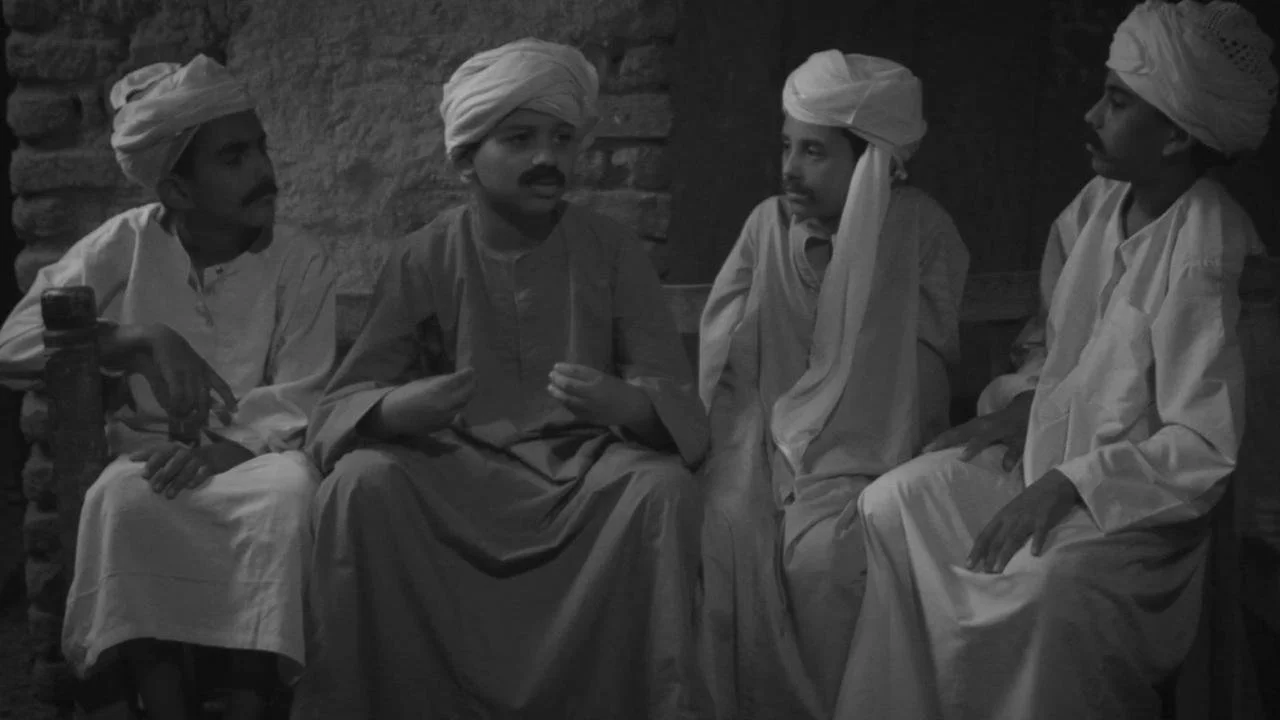
Al Araba Al Madfuna, 2012. © Wael Shawky
Egyptian artist Wael Shawky offers one example. In 2011, he undertook a residency with the Serpentine’s Edgware Road Project in London, organised with Townhouse Gallery in Cairo and Delfina Foundation. The project connected artists with people living and working in the Edgware Road area and created opportunities for research, exchange and public activity. Shawky later returned to the Serpentine with Al-Qurban in 2013, showing how a residency can lead to relationships and opportunities that continue beyond the original period of residence.
The opportunity to show work is another important part of the residency model. Open studios, exhibitions, talks and performances can give artists a chance to bring their work into a public setting and encounter audiences outside their usual networks. These moments can also create visibility for artists at an early stage of their careers, while opening up connections with curators, institutions and other practitioners.
A residency then is not simply somewhere for an artist to spend a few months making work. At its best, it provides something that can be difficult for a lot of artists to find independently. The space to work, the financial means to continue, people to learn from, new environments to experience and opportunities to share their work can give artists the time and freedom to develop their practice.
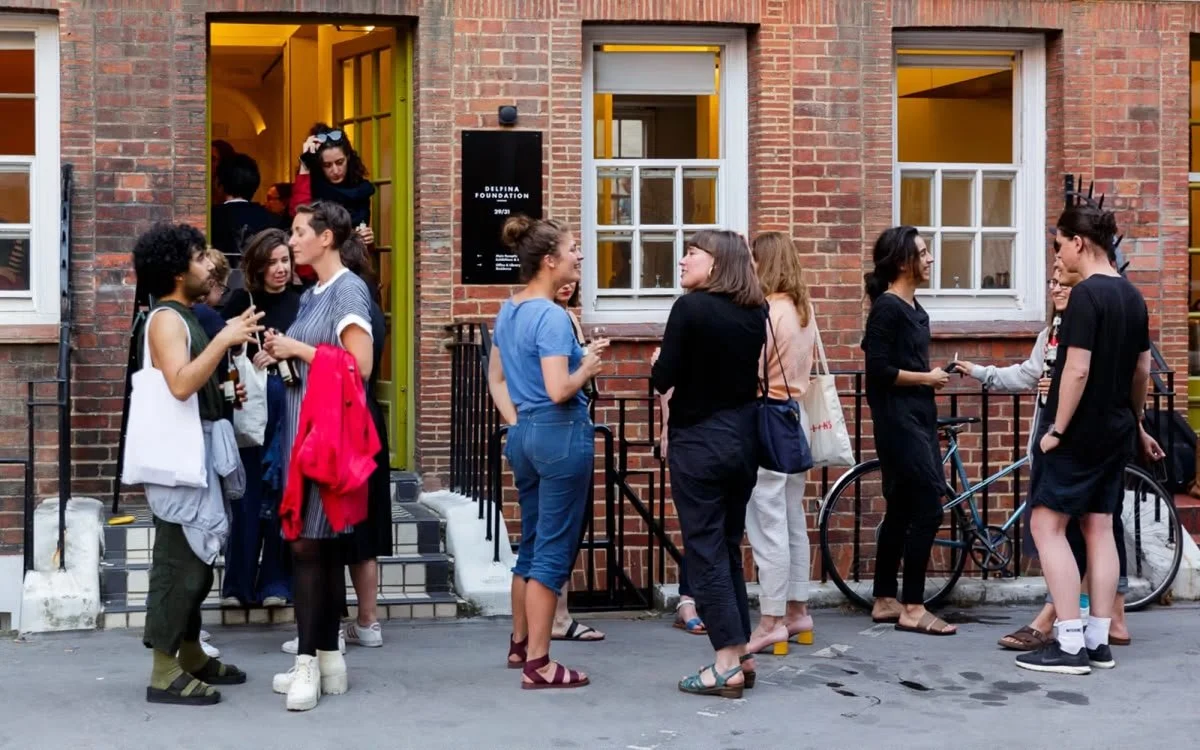
Image Courtesy of Defina, London
Words copyright of Naso Art Journal.
