
Ebrahim Bahaa-Eldin
To Observe, Slowly
Written by Soraya
Now in its 57th edition (6 July – 4 October 2026), Les Rencontres d’Arles unfolds under the theme Des mondes à relire — “Worlds to Reread” — turning the old Provençal city into the largest open-air stage for photography in the world, with some forty exhibitions threaded through chapels, cloisters and former industrial halls. This year’s programme leans pointedly toward the global south — Ghana, Côte d’Ivoire, Congo, South Africa — alongside a centenary tribute to William Klein, a season-long meditation on the living world, and La Nuit de l’Année, the festival’s famous night of projections. It is exactly the frame Bahaa-Eldin’s work asks for: an invitation to reread the world, and to notice who is doing the looking. We spoke with him about slowness, belonging.
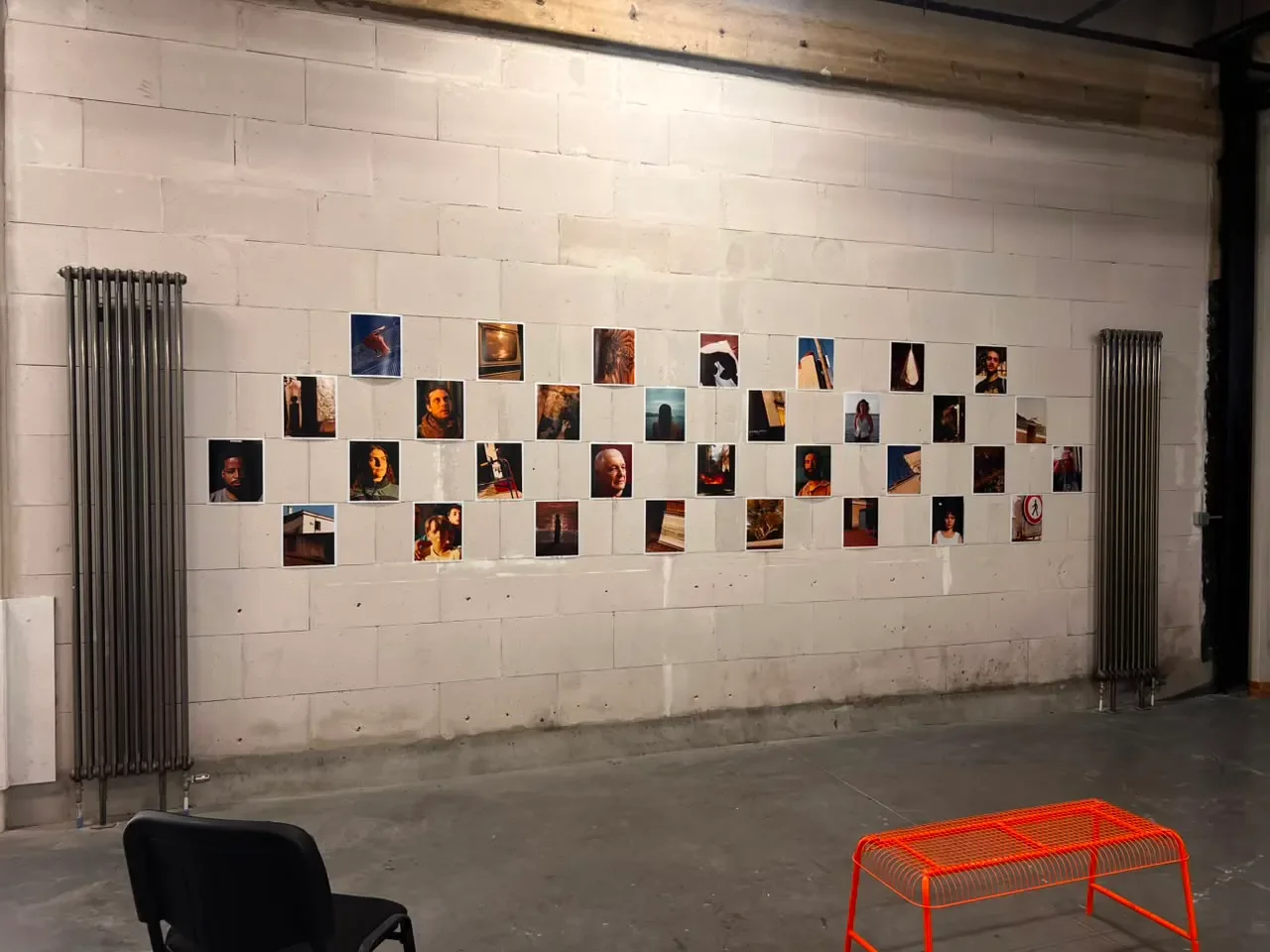
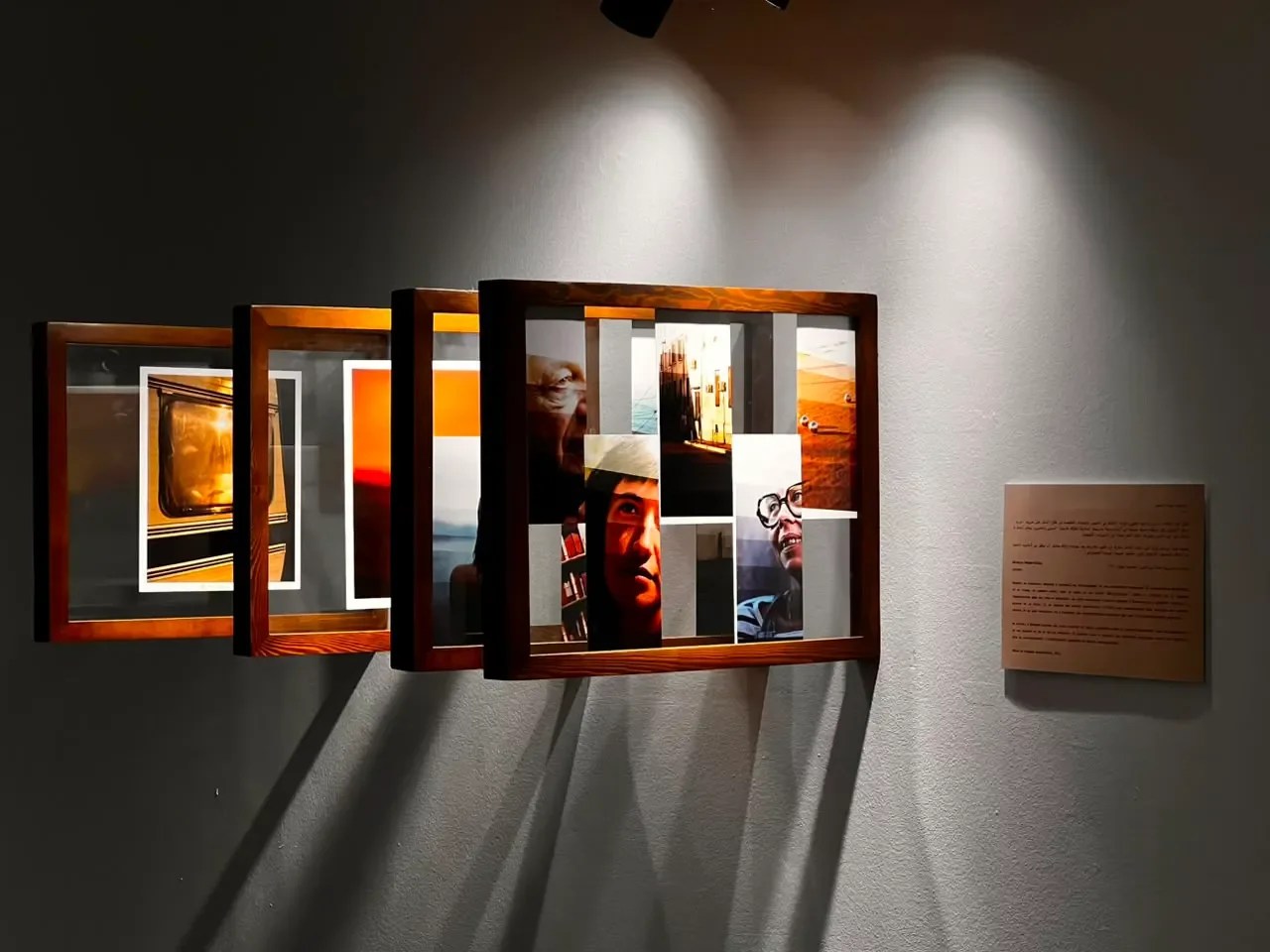
Ebrahim Bahaa-Eldin presented Dépouiller during the Night of the Year at Les Rencontres d’Arles 2026. The photobook, co-authored with Olivier Truchet, is currently in the making.
NAJ: Let’s start with you — where you’re from, and how you’d describe your practice.
EBE: “I’m sometimes a photographer, sometimes a curator, sometimes a writer, and sometimes an anthropologist. I was born in a small city in the Nile Delta, then moved to Cairo when I was a teenager. I’m mostly interested in stories and how narratives are constructed across different social dynamics. I can say all the fancy words about how sophisticated my practice is, but I think it all boils down to observing slowly and carefully. Specifically in these times, to observe slowly and carefully can be one of the most radical things to do.
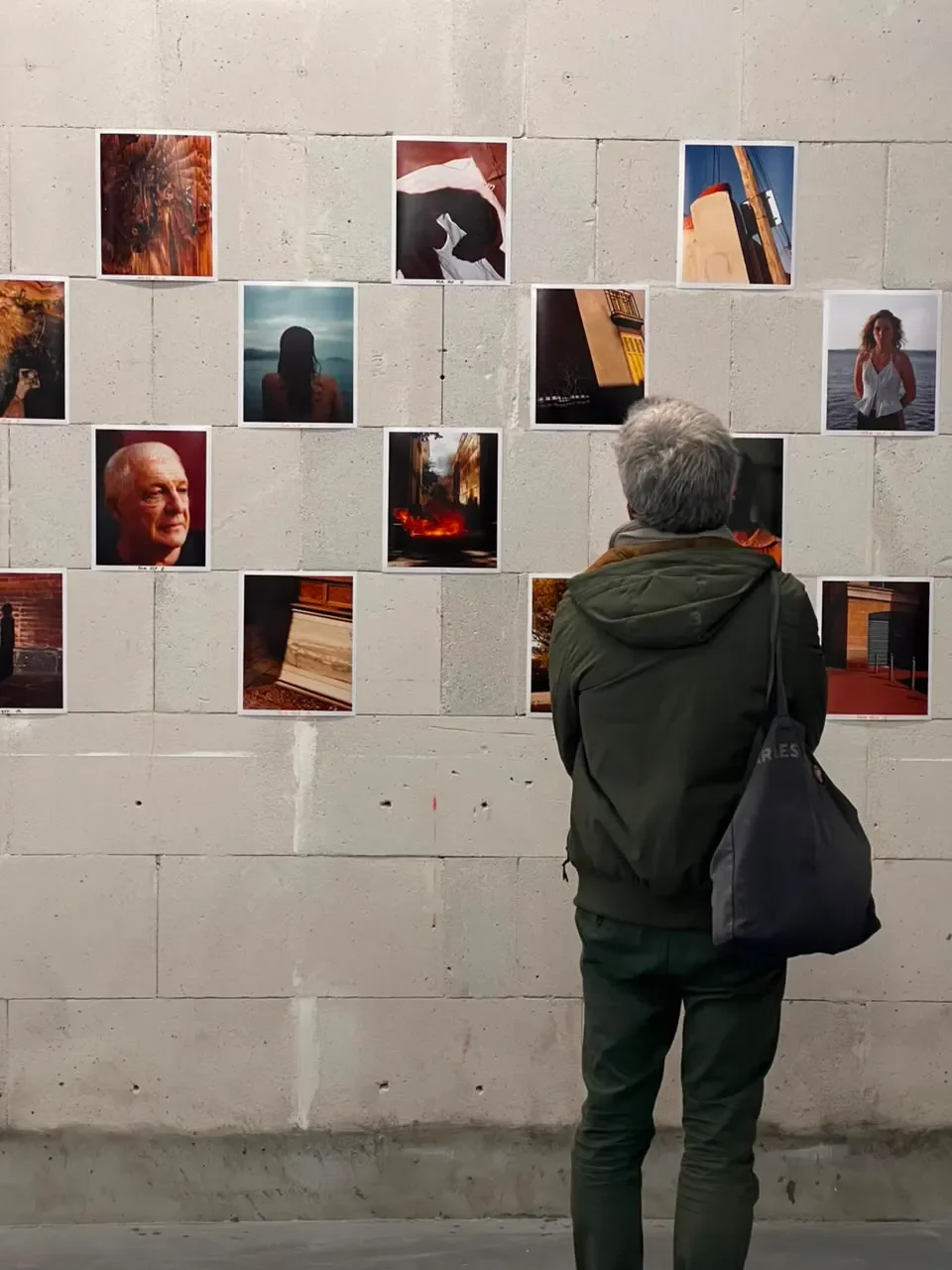
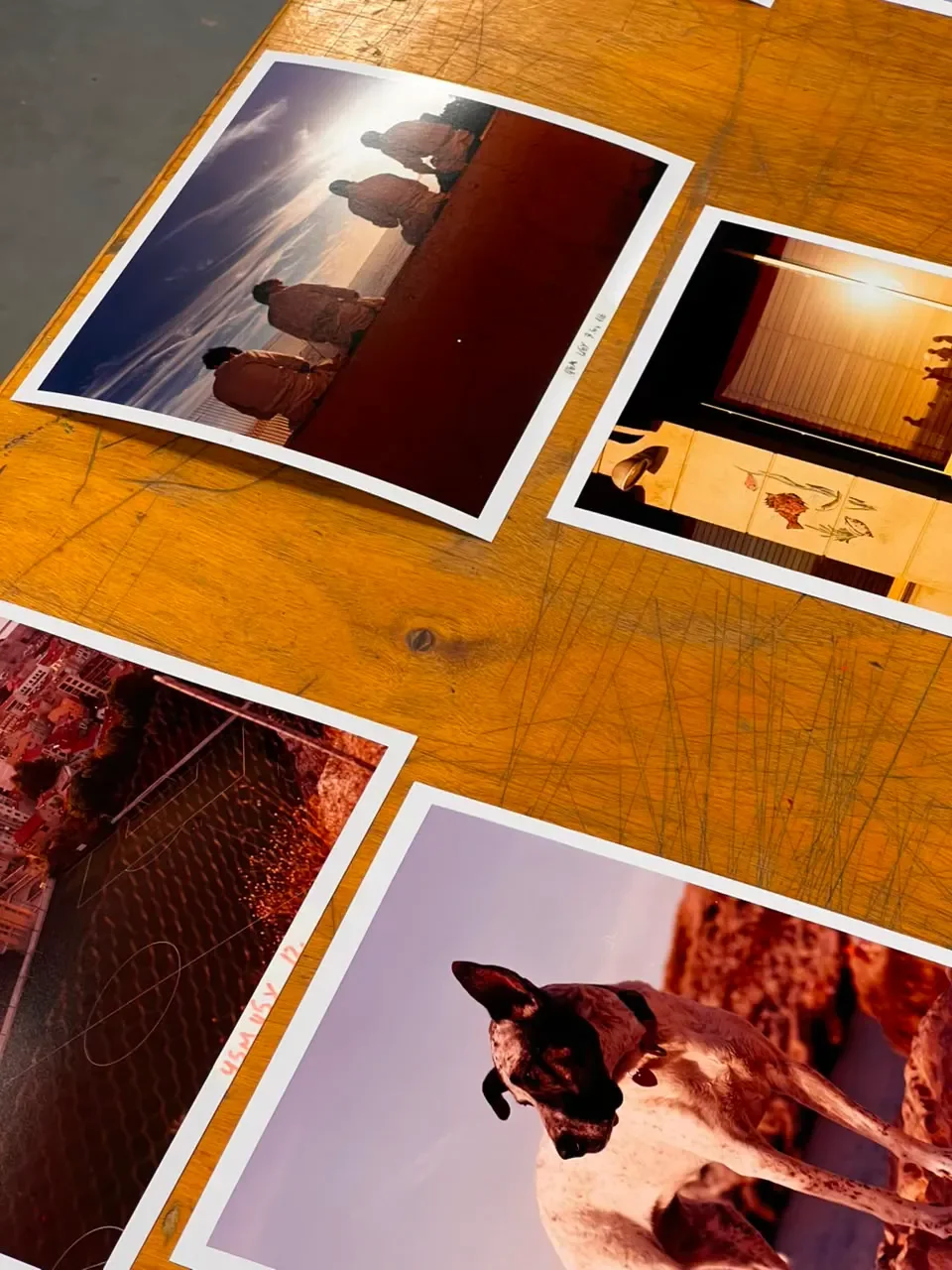
To allow myself to slow down, I’ve adopted an entirely analogue process — I sometimes get to see a photograph a few months after making it. I make a photograph, then wait to have the time to develop the film, then wait to handprint the negative in the darkroom. This prolongs the observing as much as possible, by being completely immersed in who or what I’m standing in front of, and not being trapped inside a camera. I don’t want my attention diverted by a digital screen that shows me instantly how things look. I want my camera to be an extension of how I see — not for my vision to be an extension of how my camera sees.
NAJ: Why photography, of everything you could do?
EBE: “Because photography is very strange if you really think about it. It’s a medium that can be very violent, invasive, reductive, and quite literally flattening. But I find it very exciting to figure out how to walk through that minefield and still bring out work that is genuine, reflective, and dignifying to whatever — or whoever — is on the other side of my camera.”
NAJ: Your work is often described as dancing on the line between documentary and fiction. What first pulled you to the medium?
EBE: “I’m experimenting with world-building, with reimagining how we shape and are reshaped by our surroundings. I got into it as a way to make sense of where I was and to establish a sense of belonging. As a child, I had to move houses several times with my family, so photography became a method for making a house feel more like a home. Then it snowballed and became much more complicated.”
NAJ: How does where you come from shape the way you see?
EBE: “Being Egyptian and living in Cairo have definitely shaped the way I see. Living in Cairo is a daily practice of figuring out your relationship with your surroundings — and that’s exactly what I do photography for. Cairo keeps giving you very rich visuals, left and right, which is probably what compelled me to look beyond that layer for something more tranquil.”
NAJ: Tell us about Dépouiller, the work you brought to Arles.
EBE:”It was a very small and humble participation in the festival. The team approached me to present my latest work, Dépouiller, during the Night of the Year. It’s a photobook in the making that merges documentary photography with fiction writing. It navigates a city across two different timelines, through the eyes and the words of two seemingly polar observers: a father and a son who almost never met. The project examines how the urban and the familial shape one another. It argues that our relationship to one informs the other — through joined processes of construction and deconstruction, familiarity and estrangement, attachment and indifference, stability and precariousness.”
NAJ: What was the impulse behind it?
EBE:”I started the project in 2025 during an art residency at La Friche la Belle de Mai in Marseille. Being in Marseille was inspiring, especially the people I met there. I wanted to expand my area of engagement beyond my local context. I grew up in Egypt seeing French and British photographers engage with the Egyptian context without ever having to justify it — it seemed natural to see Egypt through the eyes of foreign photographers. I want it to become natural, too, to see and think about Europe through the eyes of artists from the global south.”
NAJ: Is there one encounter from the work you hold especially close?
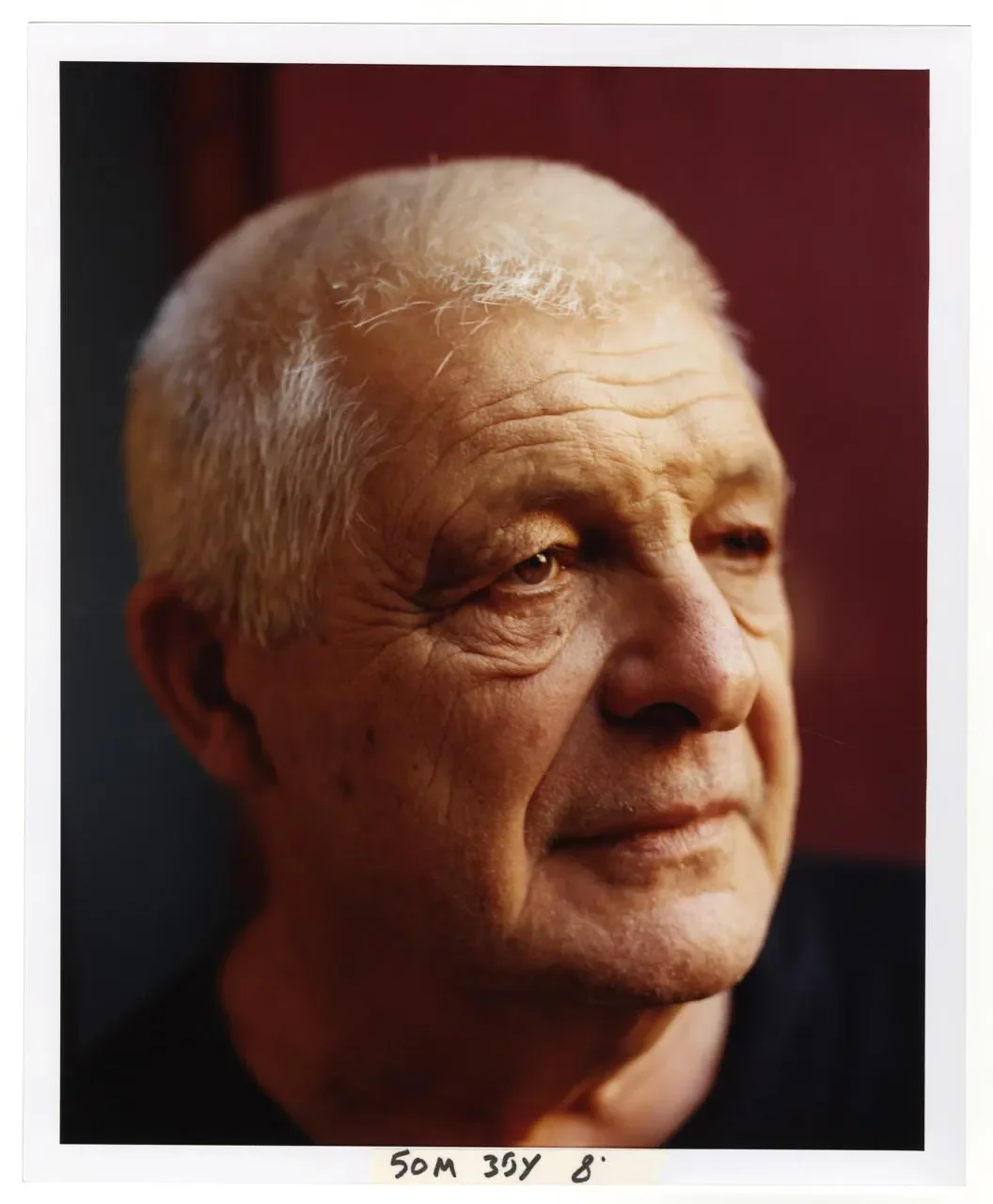
EBE: “The first time I met this man — shortly after I walked into his bookshop in Marseille and introduced myself as a photographer — he told me that photography had ended, and no one should be a photographer anymore. He said there were too many photographs in the world now, that it had become so easy it meant nothing. I asked to take his portrait. He said he didn’t care.
I went to Paris to develop and print the photographs I’d been making in Marseille, then came back to give him his portrait. He grunted, then smiled. Later he told me the portrait had revealed something to him about himself that he thought he’d never recognise again. I showed him other photographs I’d made in Marseille — the city he was born in and has lived in for almost seventy years. Now Olivier Truchet, who thought photography had ended, is the co-author of my first photobook in the making.”
Images Courtesy of the Artist.
The full interview is exclusively in print in Issue 4.
Words Copyright of Naso Art Journal
