
Sarah Al-Rashid
On listening, curating, and the making of 24H
Written by Soraya
A conversation that started somewhere else
Soraya met Sarah through an interview and a series of questions.
Questions, after all, are at the heart of Objects×4, better known by its Instagram handle, @objectsobjectsobjectsobjects, the platform Sarah has been building for just over a year now. Its premise is straightforward: she asks, artists answer, and the conversation becomes part of a growing archive. Interviews go out one to four times a week, spanning every creative discipline. There’s no elaborate structure to it, instead, an independent platform held together by genuine interest in how other people think and make.
What began as a conversation between two people building independent platforms gradually became a friendship, and with it, a kind of working relationship: exchanging names, following each other’s projects, sharing opportunities and showing up when it matters. In an art world still shaped by proximity and access, these informal networks of support can become important structures of their own.
This spring, Sarah opened her first exhibition in Paris. For anyone who had followed Objects×4, 24H felt less like a departure from what she had been doing than an expansion of it. The conversations had simply entered the room.
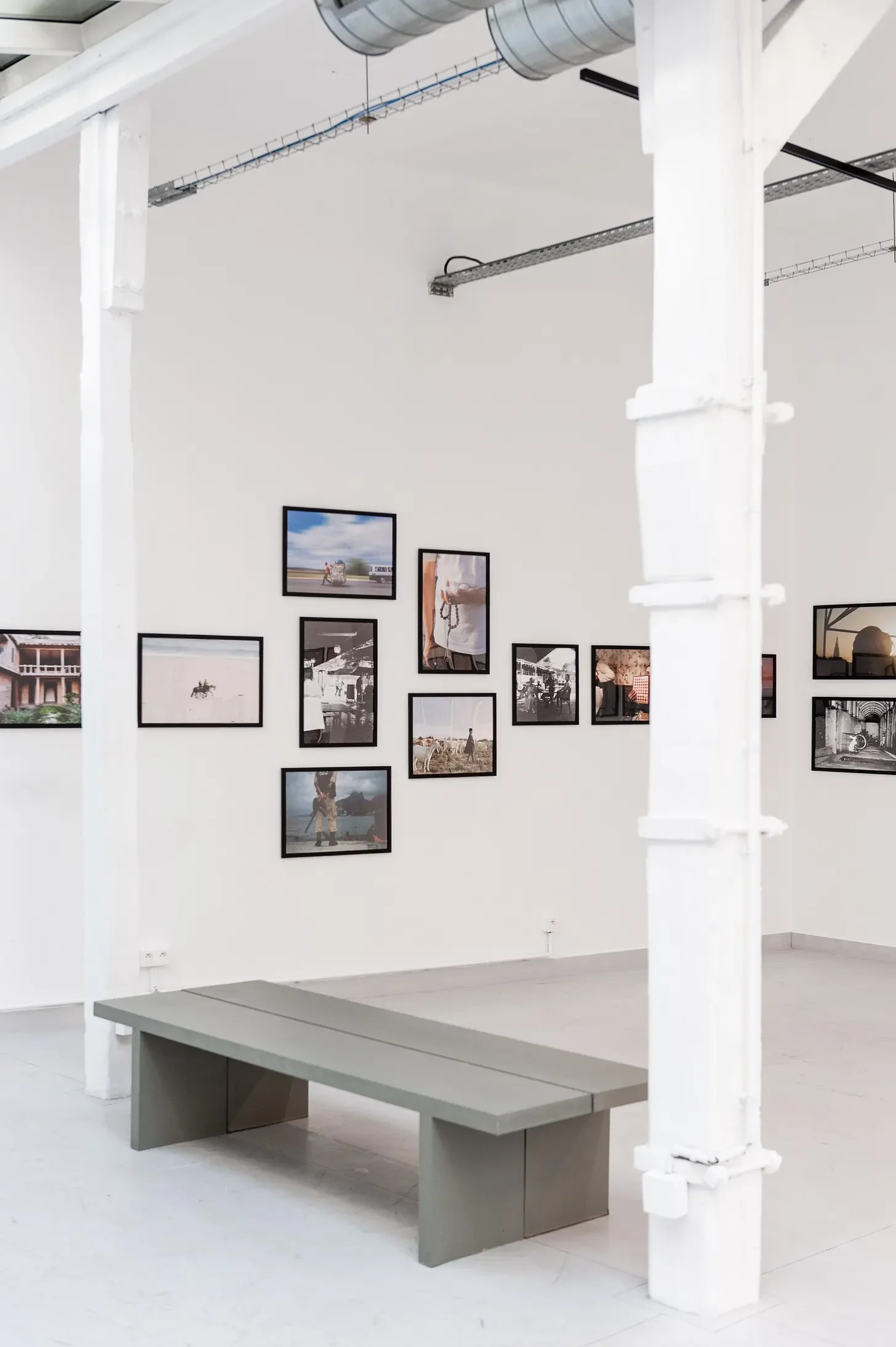
1,200 images, no names
24H did not initially exist as an exhibition. It began with a passing thought about simultaneity: what other people might be doing at precisely the same moment, elsewhere in the world. People with no connection to one another, living through the same minute in completely different circumstances.
Then came another question: what would those moments look like if they were gathered in one place?
Sarah returned to the method she knew best and put out an open call.
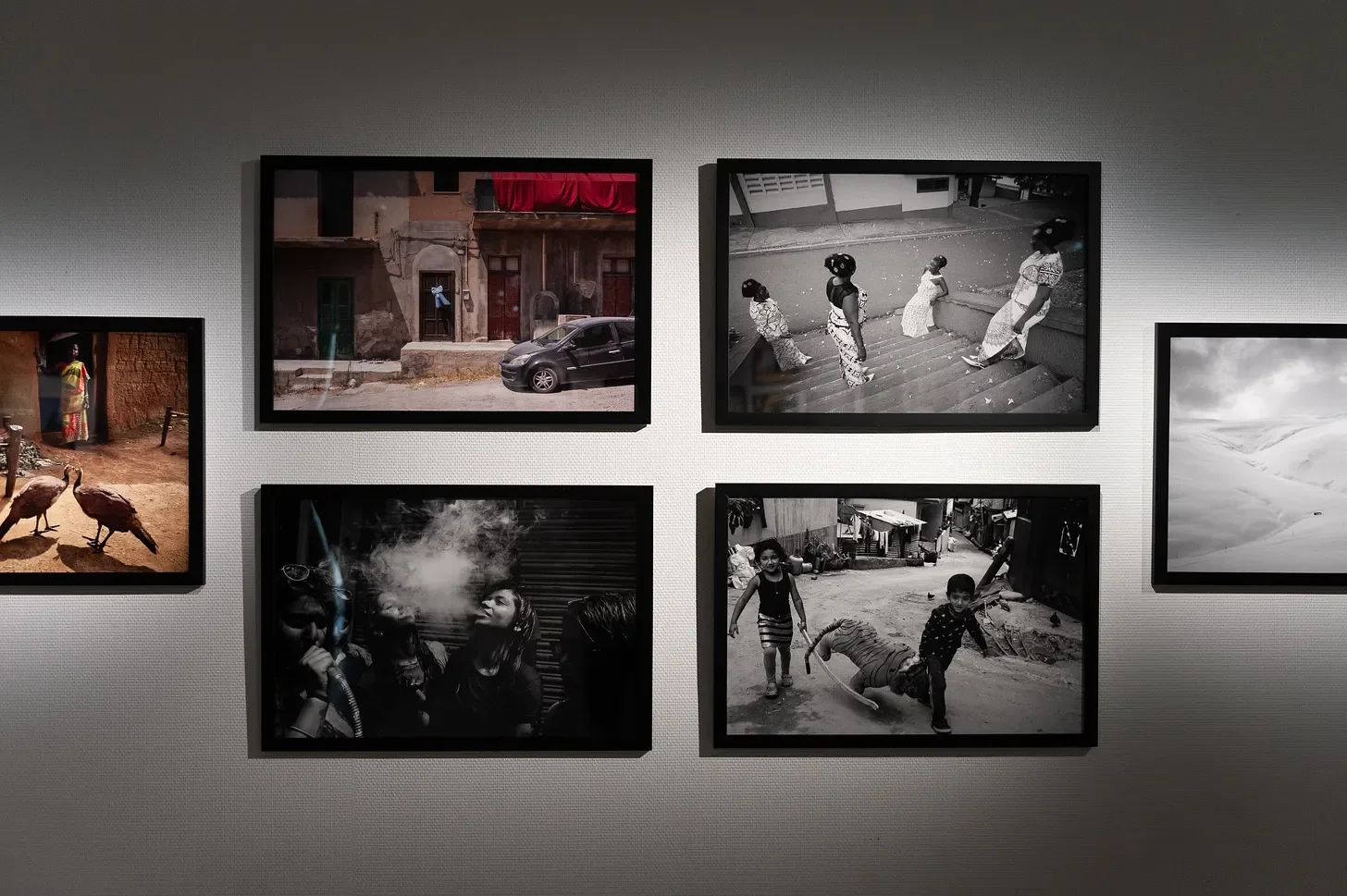
Over two months, more than 1,200 submissions arrived, documenting fragments of ordinary days from across the world. Sarah made the selection anonymously. She had no names in front of her, only an image, its description, a time and a place.
The anonymity was important. Biography, reputation and professional standing were temporarily removed from the equation. What remained was the image and its ability to speak to a particular moment within a shared day.
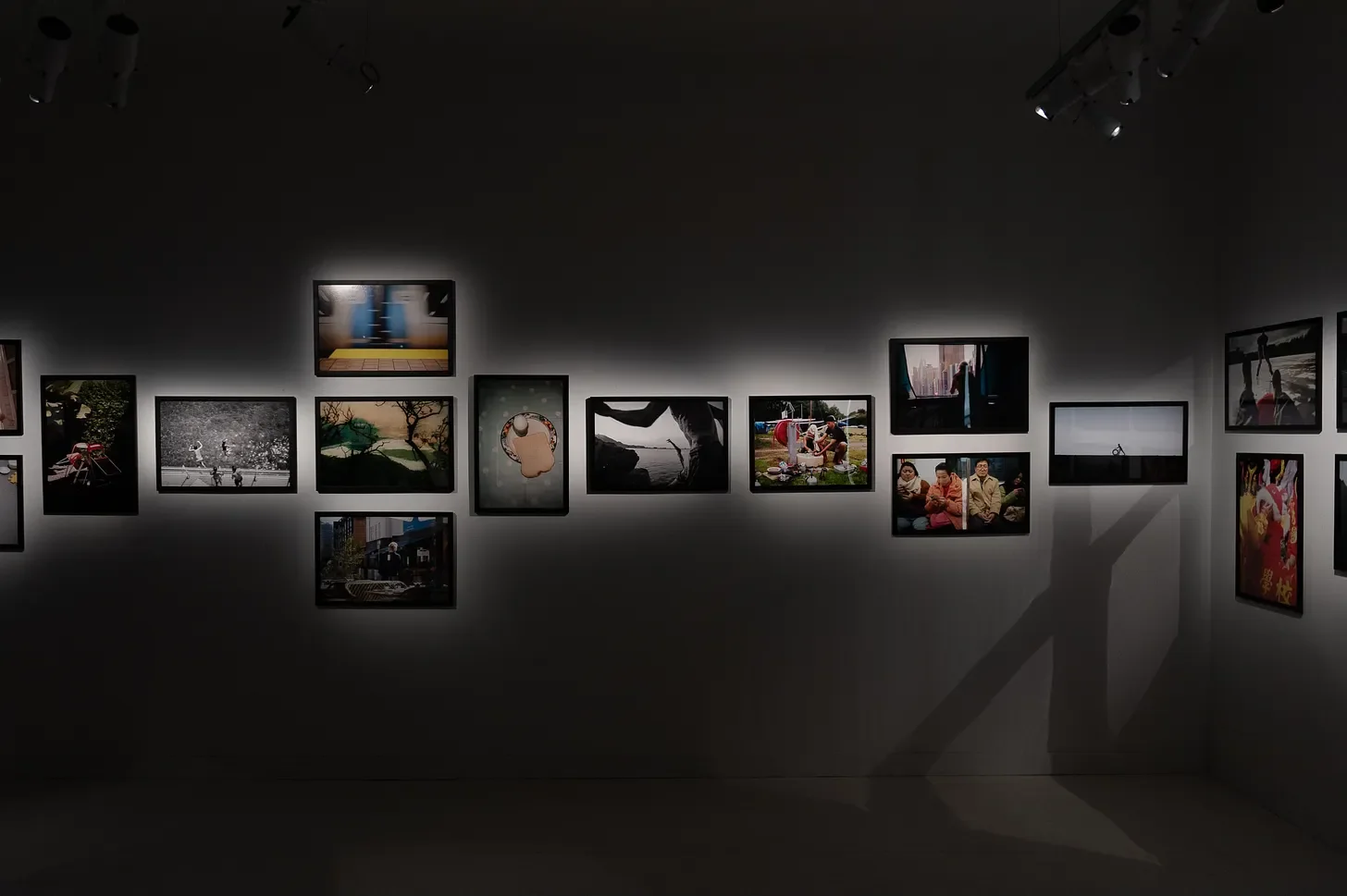
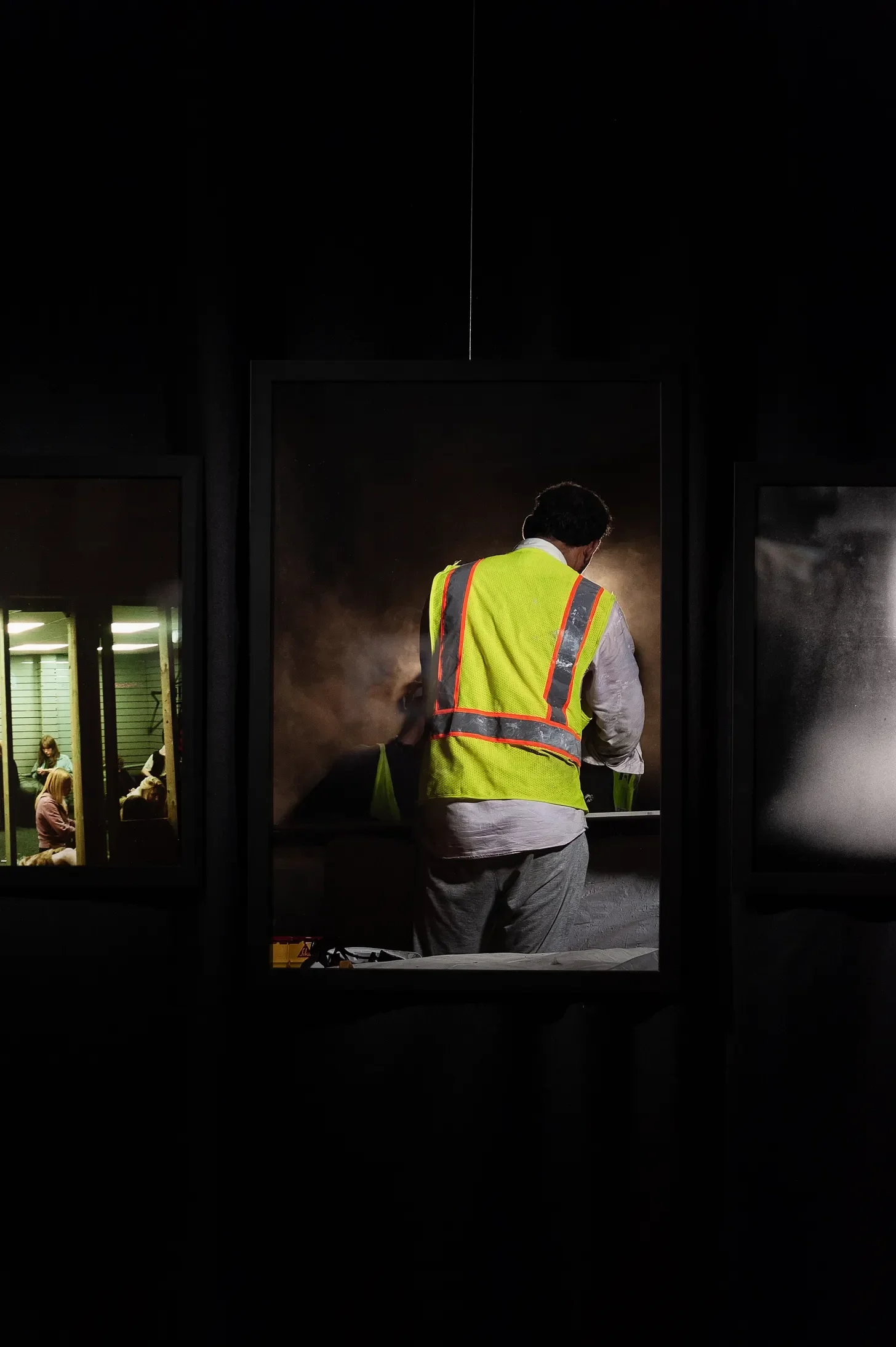
The final exhibition brought together 139 photographs, arranged chronologically from midnight to midnight. Each image was accompanied by its description, collected in a guide that visitors could carry through the exhibition. Reading was part of the experience of looking. Behind each photograph was a person, a place and a moment that had already passed.
The point, Sarah explains, “wasn’t just to look at time but at what 24 hours looked like as a collective day across the world.”
What followed was approximately a month of selecting, sequencing, writing, installing and navigating the less visible administrative work of putting on an exhibition. For her first curatorial project, Sarah found herself occupying several roles at once. Yet what stayed with her most was the trust involved: hundreds of people had submitted pieces of their lives to someone mounting her first exhibition.
The child on the bicycle
Of the many photographs in 24H, Sarah directed our attention towards the work of Syrian photojournalist Hasan Belal, and particularly his image of a child cycling in front of ruins.
Two of Sarah’s closest friends, Jude and Zaina, both Palestinian, were very moved by the photograph. The image resonated with them as a reminder of circumstances they might have grown up within had their own lives unfolded differently. They wanted to hold onto that connection, and to the realities that continue to shape the lives of others.
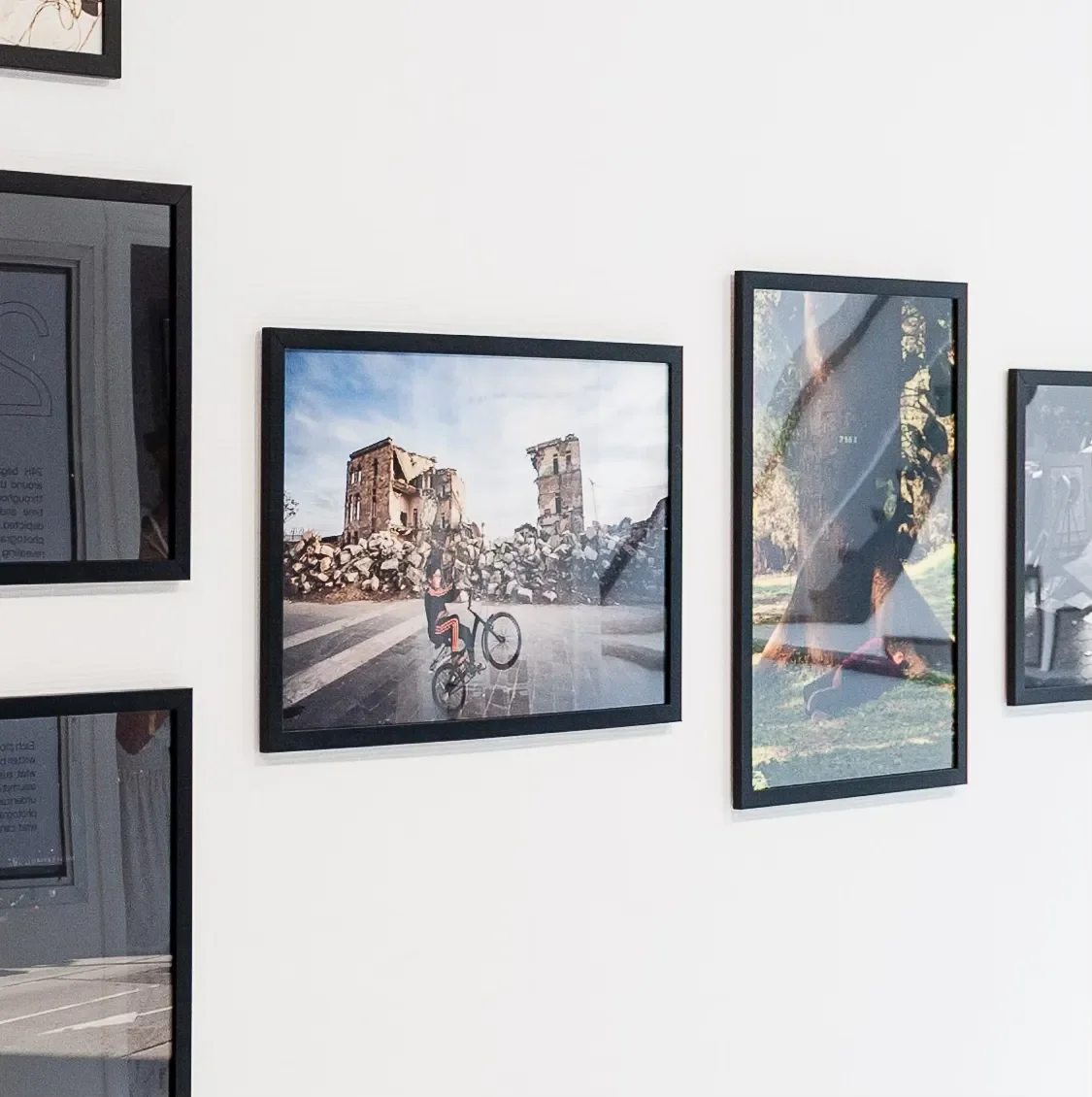
“I find it remarkable that a photograph taken by a stranger became their way of seeing or feeling a life they never lived,” Sarah says.
Perhaps this is where 24H becomes about more than time. The photographs document individual moments, but their meaning does not remain with the person who made them. Once encountered by somebody else, an ordinary image can become a point of recognition, memory or identification.
A stranger’s day can, unexpectedly, touch your own.
Accessibility as a Method
When asked about the principles shaping her curatorial practice, Sarah’s answer is immediate: “accessibility, above everything.”
For her, the open call is a working method. It is how Objects×4 began, how 24H took shape, and something she wants to retain as her practice develops.
Anyone can submit.
That openness responds directly to what Sarah sees as one of the art world’s persistent problems: talent and opportunity do not necessarily meet on equal terms.
“I’m looking for is people doing the most with what’s available to them. I really believe there’s so much talent that never gets seen because sometimes the art world gatekeeps, and I’m interested in looking at what exists beyond the conventional.”
Access remains uneven, networks matter, and artists can remain unseen for reasons that have little to do with the quality of their work.
“Underneath it all, the artist comes first,” she says. “Everything I make exists to put them forward.”
It is a simple statement, but one that connects the different parts of her work. Objects×4 gives artists space to speak. 24H asked people to submit without requiring an existing relationship to a gallery, institution or curator.
What comes next
Asked how she would eventually like to be remembered, she hesitates. It is not something she has spent much time considering.
“But if anything, someone who prioritized and listened to artists,” she says. “And if one person somewhere finds something in Objects×4 that makes them want to pursue their own ideas, or inspires something within them, that would be more than enough.”
There is something fitting about returning to listening. Objects×4 began without the certainty that anyone would respond, only the instinct that asking was worthwhile. 24H extended the same proposition on a much larger scale: send me a fragment of your day and let us see what happens when it meets somebody else’s.
For Sarah, Perhaps curating begins with paying enough attention to what someone makes that they start trusting you with their ‘why’, and then caring about that answer to understand where it may belong.
Words copyright of Naso Art Journal.
Images courtesy of Sarah Al-Rashid
The full feature is exclusively in Issue 4 of Naso Art Journal.
