
One Continent, Fifty-Four Countries
Touria El Glaoui on the gap she found in 2013, and the work that comes after visibility.
Touria El Glaoui did not come to the art world through the art world. She came through wealth management and technology, and she arrived with a diagnosis rather than a taste. In 2013 she looked at the international fair circuit and saw an absence she could name precisely.
“There was no dedicated international platform for artists from Africa and its diaspora,” she says. “The major fairs treated this work as a subsection, when they included it at all.”
What made the absence intolerable was that nothing else was missing. “The artists existed. Serious, ambitious, technically accomplished work existed. The buyers existed too, in smaller numbers than today, but they existed. What was missing was the infrastructure to connect them. That is the gap 1-54 was built to close.”
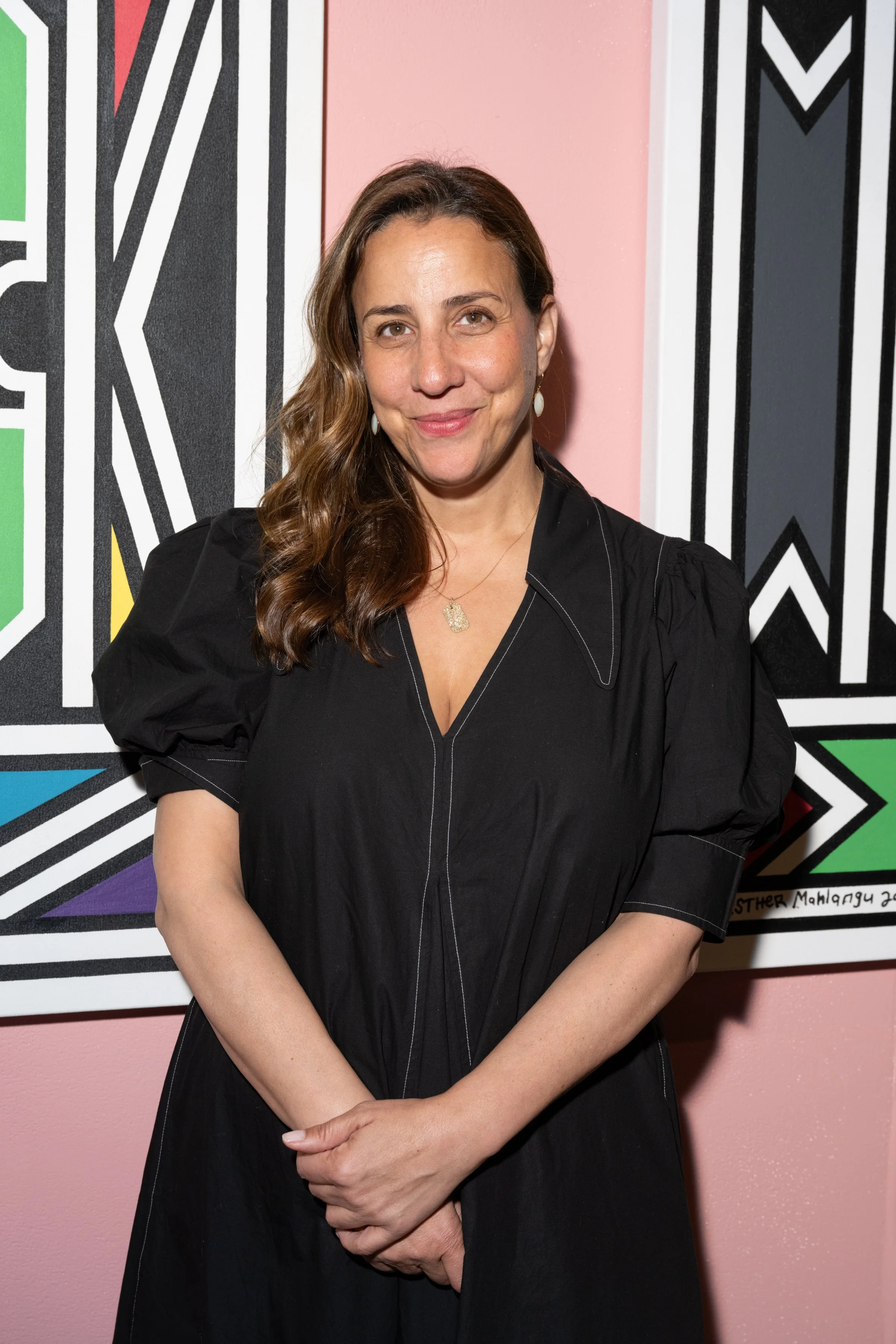
The studio and the trading floor
The instinct was older than the business case. El Glaoui grew up in the home of the painter Hassan El Glaoui, which meant growing up inside a working practice rather than beside one.
“My father, Hassan El Glaoui, was a painter. Art was part of daily life in our house, not a separate world I had to visit,” she says. “I grew up around his work and understood early that art carries meaning. It records something. It argues for something.”
That understanding hardened into a position she still holds. “It is never decorative,” she says of art. “It is always doing work.”
Her years in banking and consulting are usually treated as the prologue to the real story. She treats them as the reason the real story survived its first edition. Wealth management taught her how markets behave; technology taught her how systems behave.
“It taught me to look for the gap and to test whether a structure is viable before you build it,” she says. “It taught me how to run an institution, not just stage an event.”
She is candid about what each side of her training could not supply. “The art world teaches taste and connoisseurship. It does not always teach structure. I needed both.”
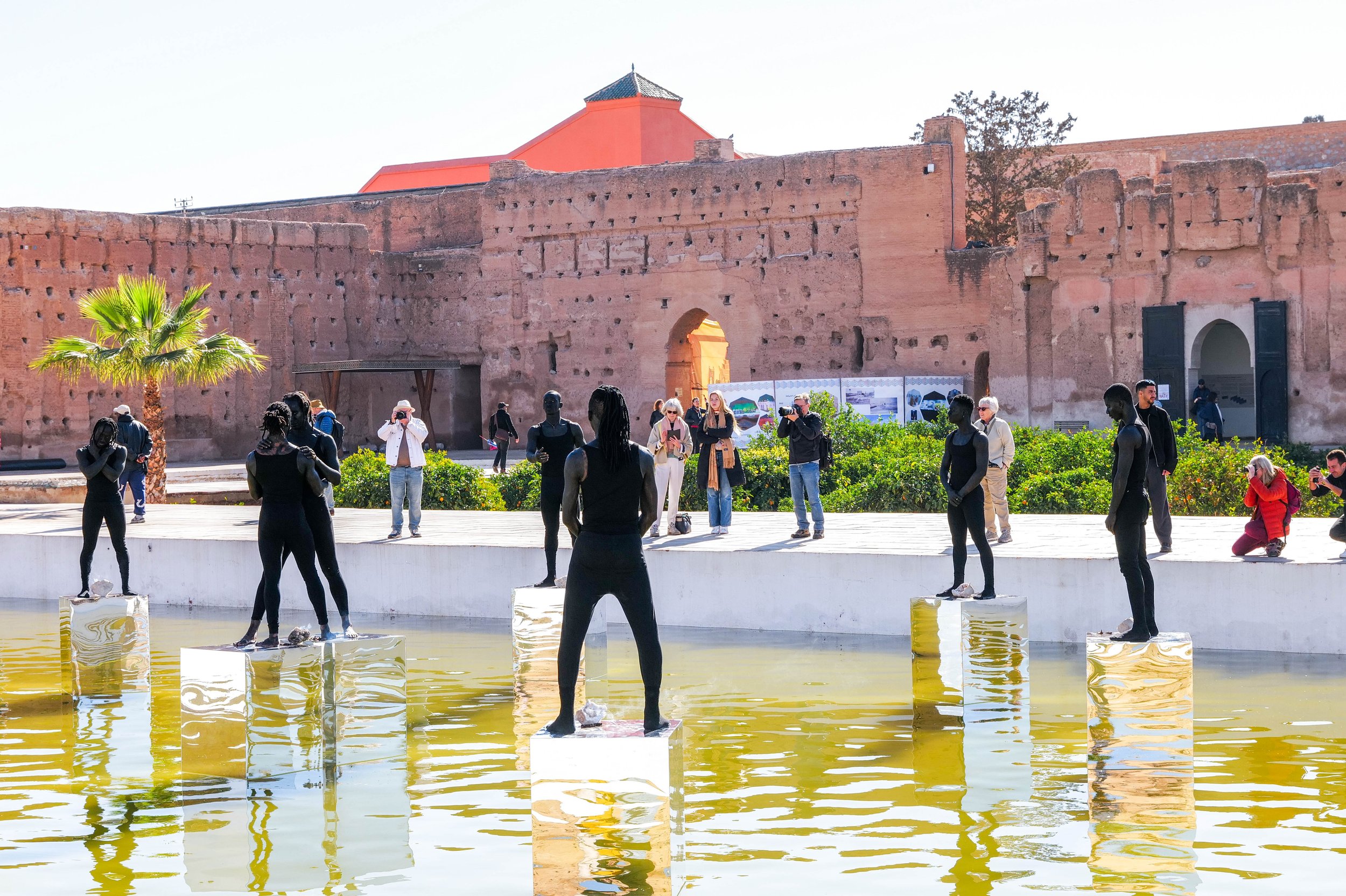
Beyond visibility, and the question of gravity
El Glaoui has spent recent years arguing that the metric her own fair helped establish is no longer sufficient. Visibility, she says, did what it was asked to do and no more.
“Visibility got artists seen. It did not guarantee careers, museum acquisitions, or infrastructure on the continent.”
What replaces it is slower and harder to photograph: collector relationships that outlast a single purchase, permanent collection placements, archives, scholarship. “Moving beyond visibility means building the parts that last,” she says. “Visibility is a starting point. It is not the outcome we are working toward.”
The same structural impatience surfaces when she is asked about the administrative habit of filing North African artists under “Middle East and North Africa” rather than Africa. The answer arrives as a matter of fact rather than grievance.
“Morocco is African, Arab, Berber, and Mediterranean at once,” she says. “Splitting North Africa into a Middle East and North Africa category, separate from the rest of the continent, erases that layered identity. It implies North African artists belong to a different conversation than the rest of Africa. They don’t.”
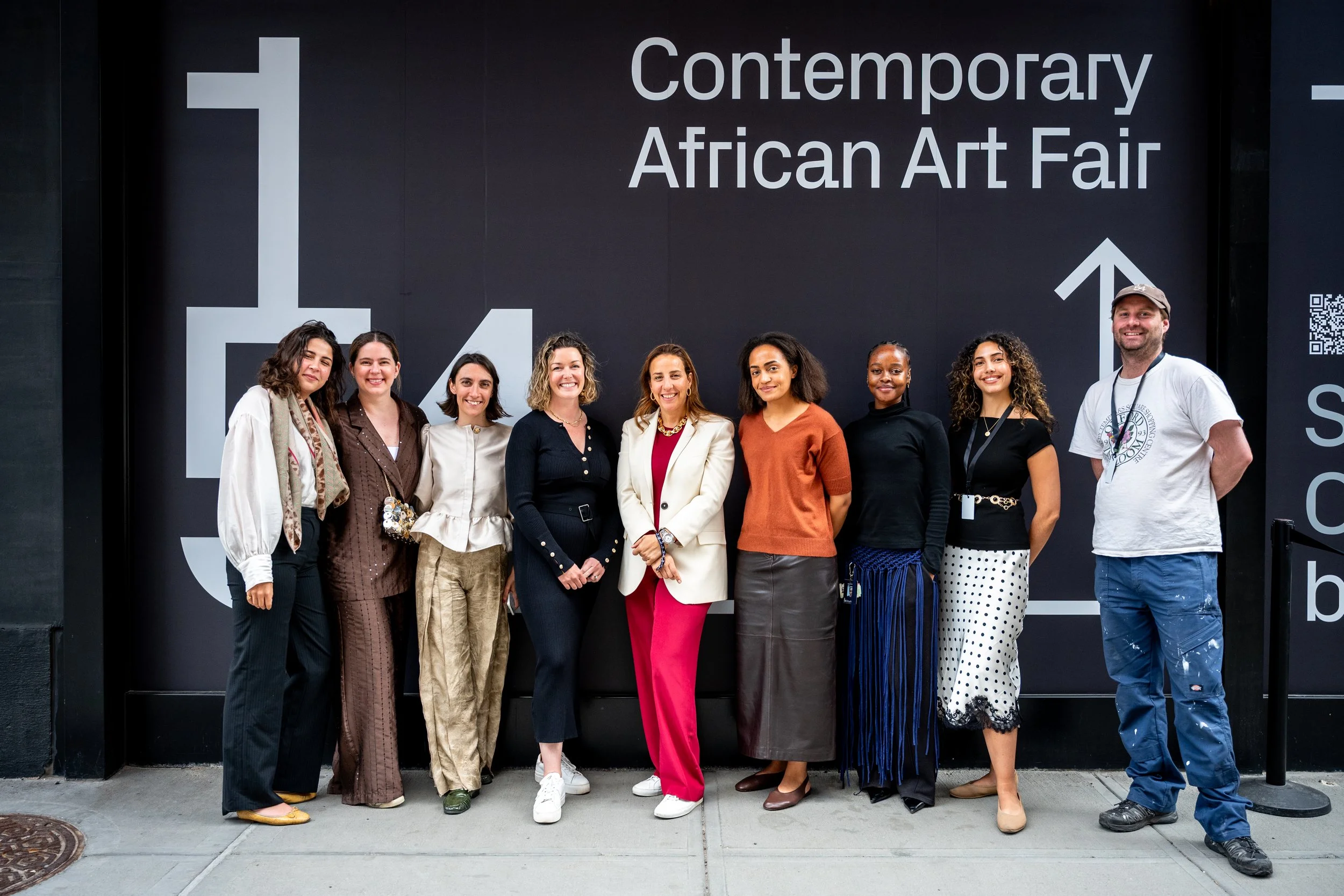
She is clear about whom the category serves. “The split serves administrative and market convenience. It does not serve the artists or the history.”
The rapid institution-building of the Gulf, often framed as a rival gravitational field, she reads differently. Those institutions have moved fast and built real infrastructure with real resources, and she calls that “a demonstration of what is possible with intent and investment” rather than a threat.
“The real question is whether North African artists get pulled into someone else’s orbit by default, or whether the continent builds its own gravity,” she says. “That second option is the work in front of us.”
The full interview will be exclusively in print in Issue 4.
Words copyright of Naso Art Journal.
Images courtesy of Touria El Galoui
