
Snob Collector: Yasemin on Art You Can Live With
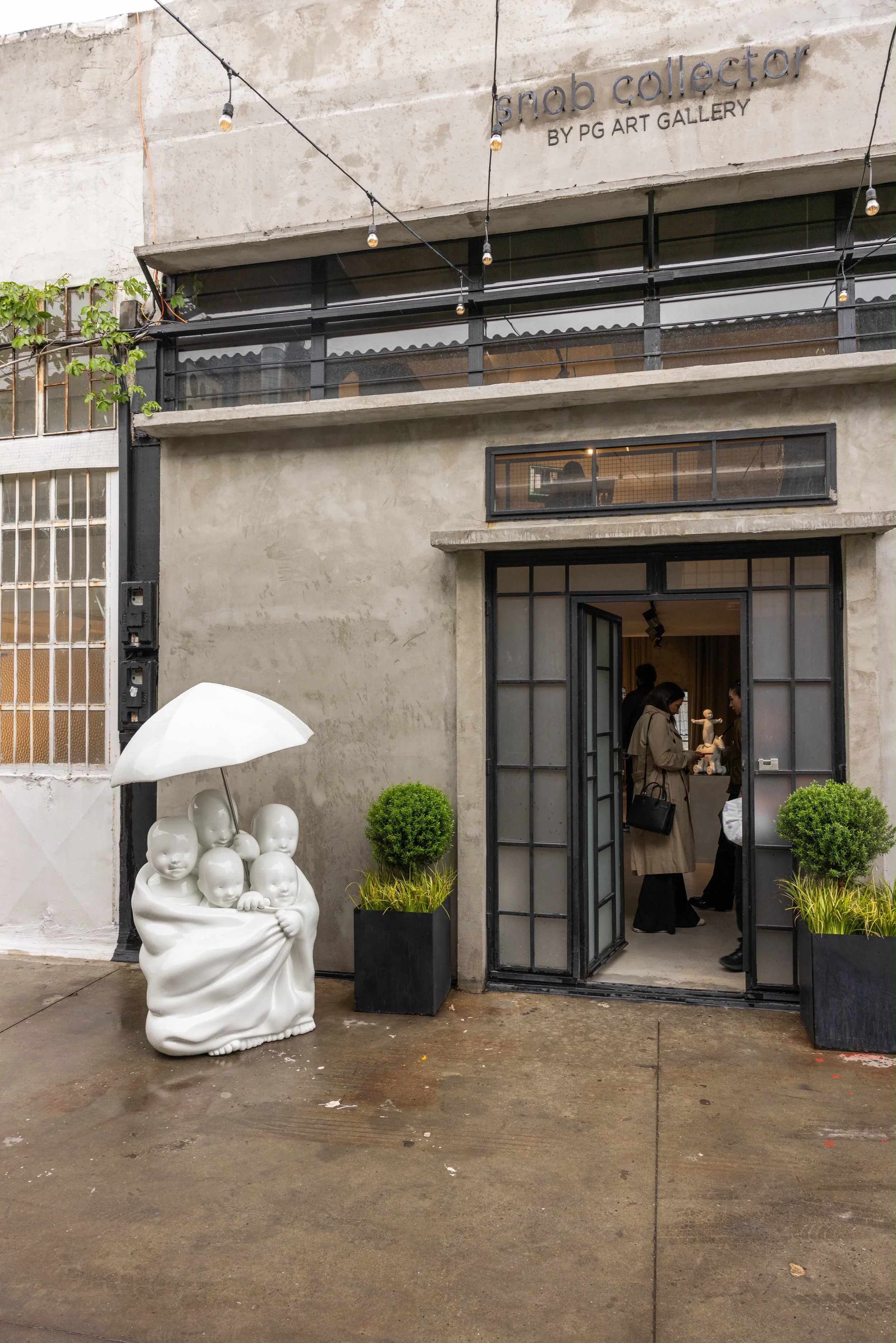
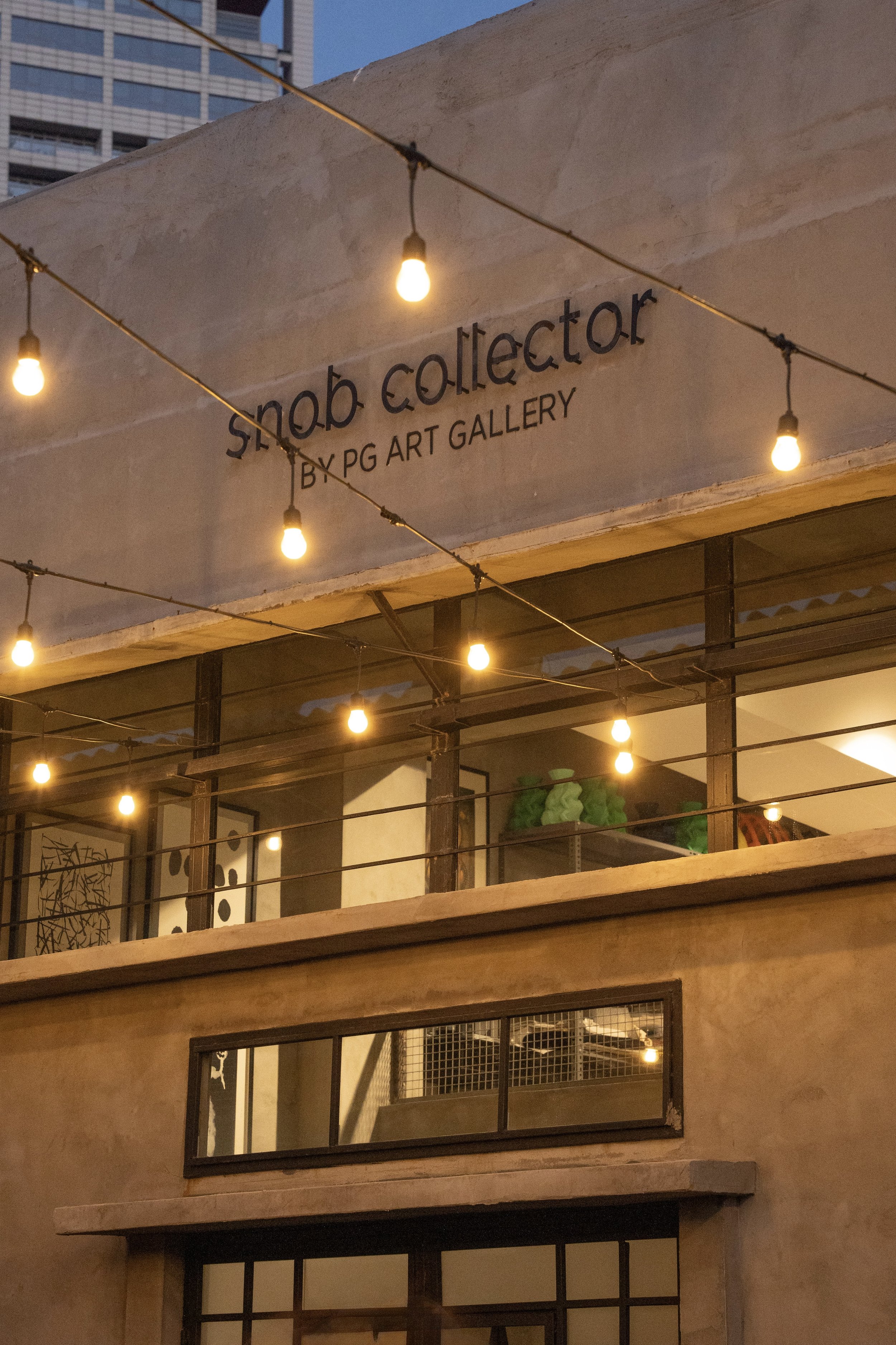
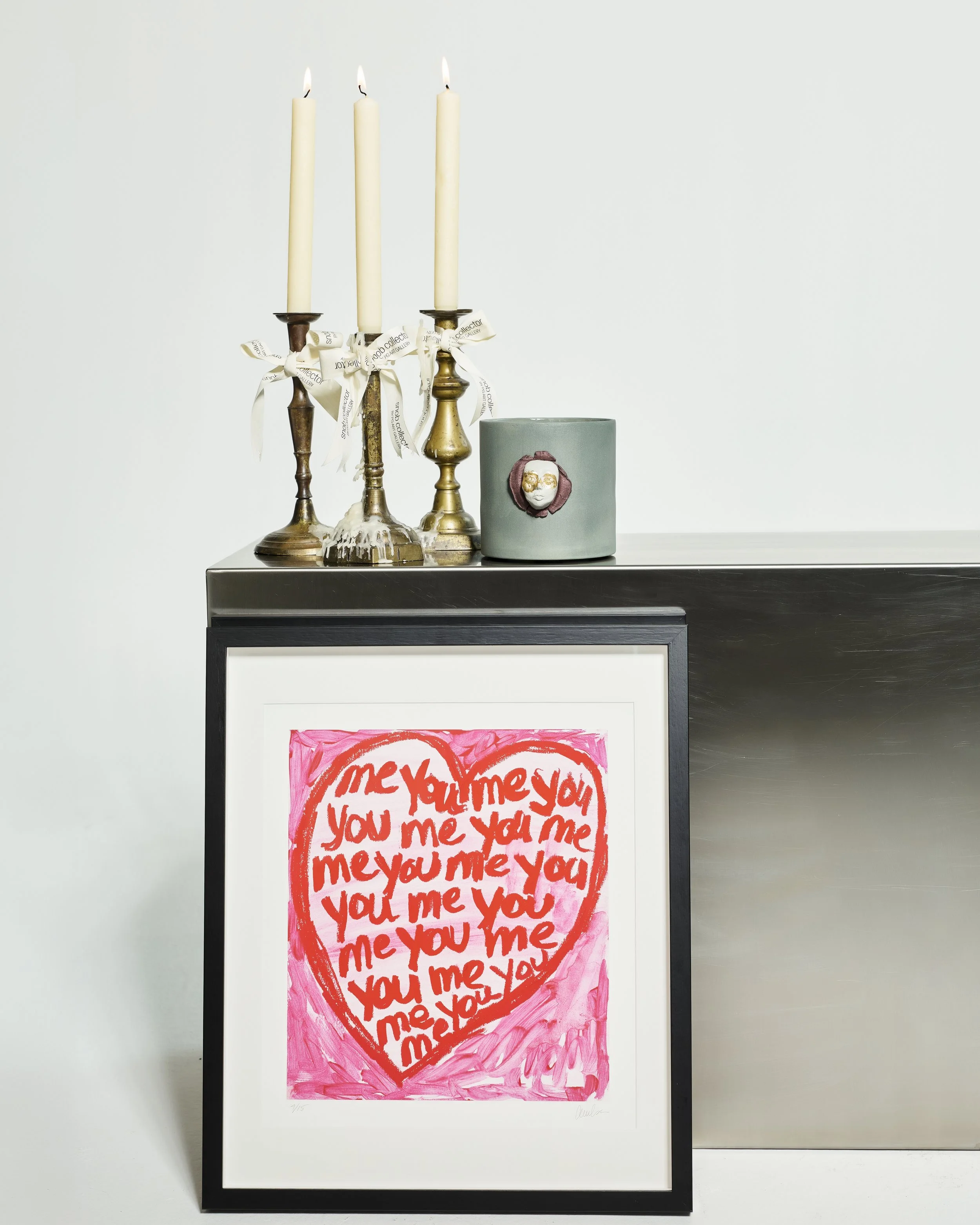
In İstanbul, Yasemin and her aunt Pırıl Arıkonmaz run Snob Collector, where an edition, a scarf or a pair of socks can be a first step into collecting. She spoke to Naso about inheritance, irony and how Turkish artists deserve to be seen.
On Growing Up Inside a Gallery
Yasemin grew up in İstanbul with art all around her in different forms. Her mother worked in arts and culture management, her father loved music, and her grandfather built several collections, including some 5,500 seashells.
The closest influence was her aunt. Pırıl Arıkonmaz co-founded Pg Art Gallery with Yasemin's grandmother in 1993. Yasemin went to openings as a child, interned at the gallery in high school and worked at art fairs, “getting to see what happens behind the scenes.”
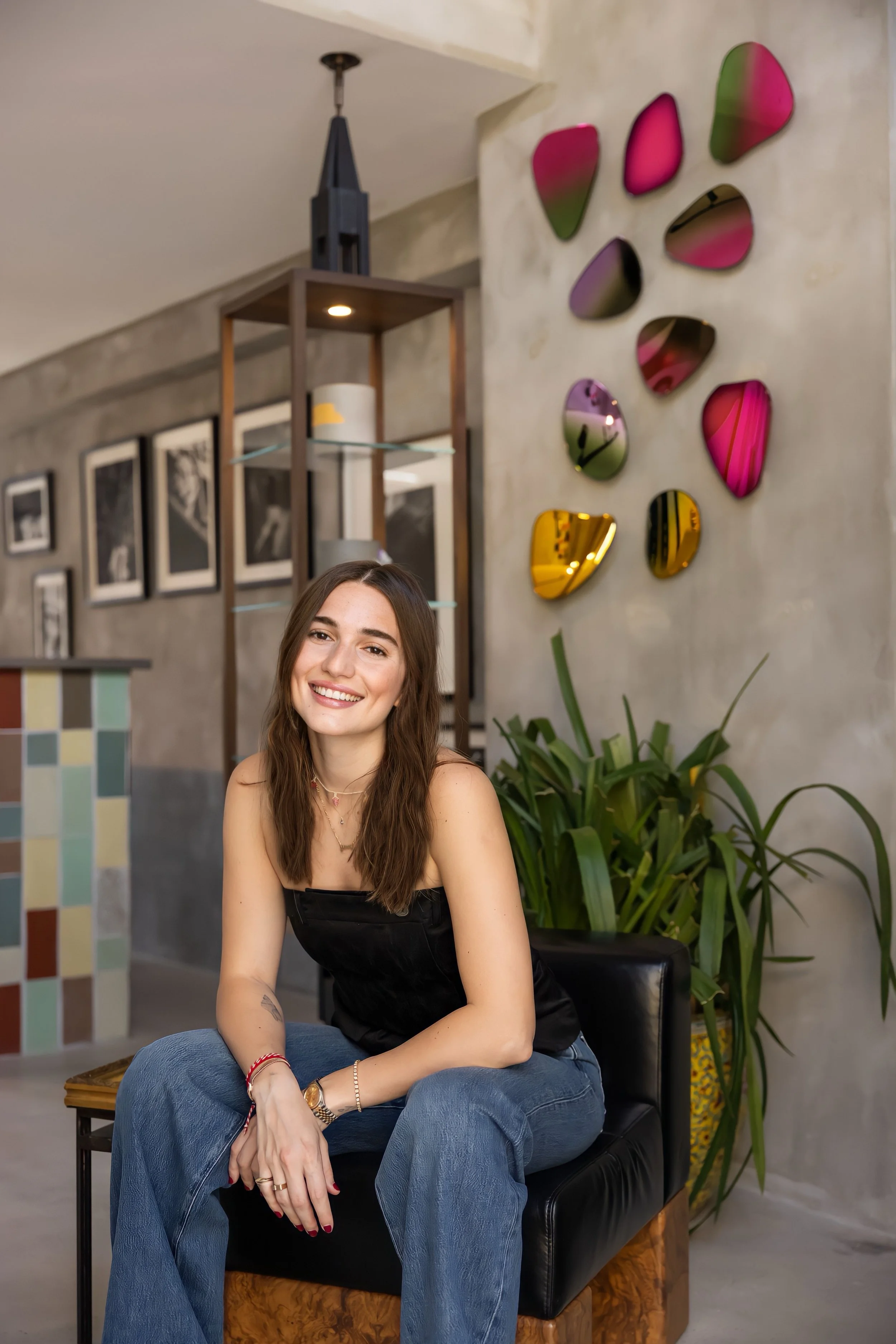
She studied Psychology, Art History and Behavioral Science at McGill and moved to London to work in digital marketing, but İstanbul pulled her back. Her aunt had spent years developing an idea for a space dedicated to collaborations, editions and functional pieces, “things that could exist somewhere between art, design and the everyday.” When they co-founded it as Snob Collector in 2024, the gallery “stopped being simply something I had grown up around and became my own work as well.”
On the Joke in the Name
The name is deliberately ironic. “The art world can sometimes feel exclusive or intimidating, especially if you don't already know its language or see yourself as a collector,” she says. Snob Collector was built to be the opposite, and the joke works both ways: “The name pokes fun at that world, while also celebrating the pleasure of being particular about the things you choose to surround yourself with.”
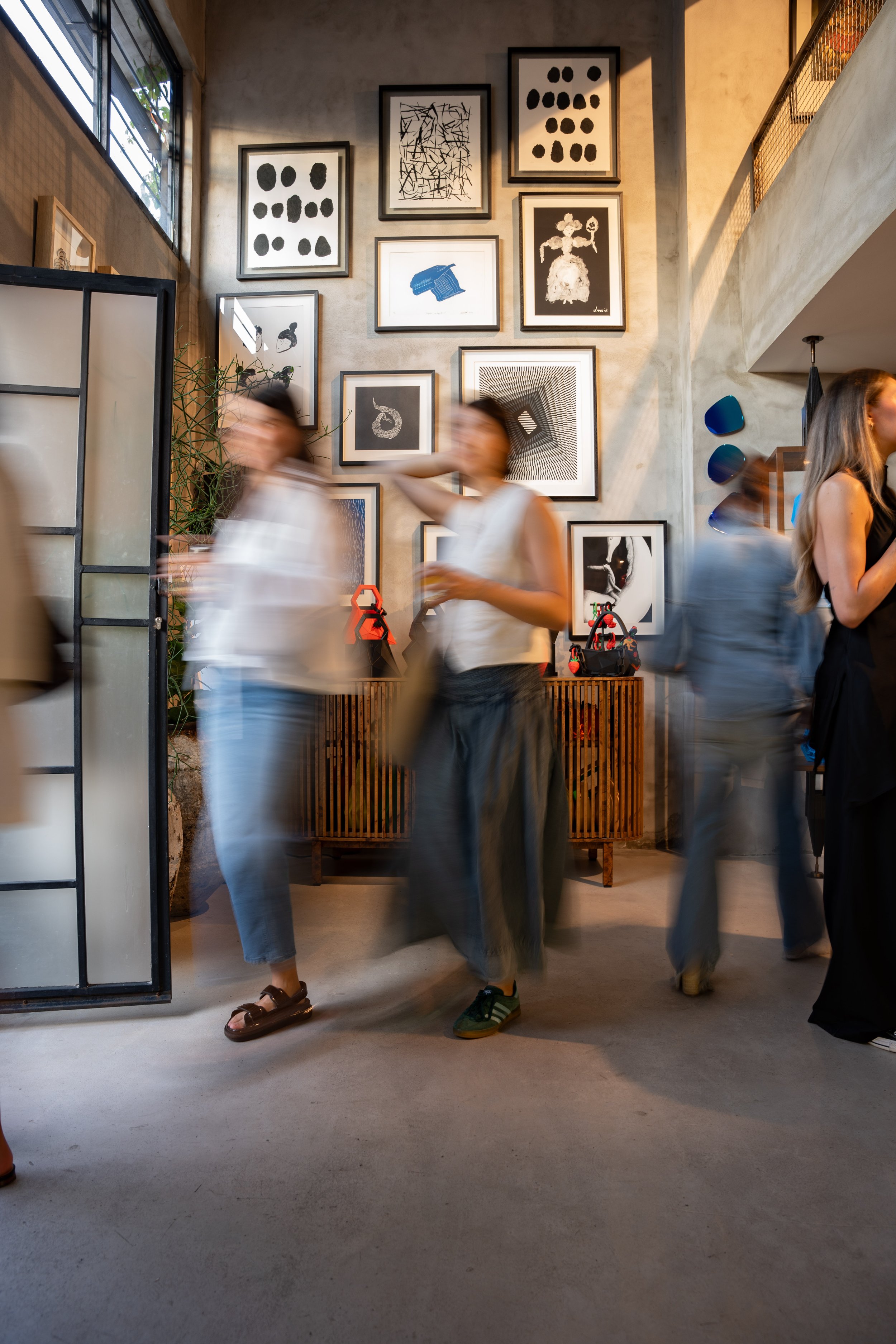
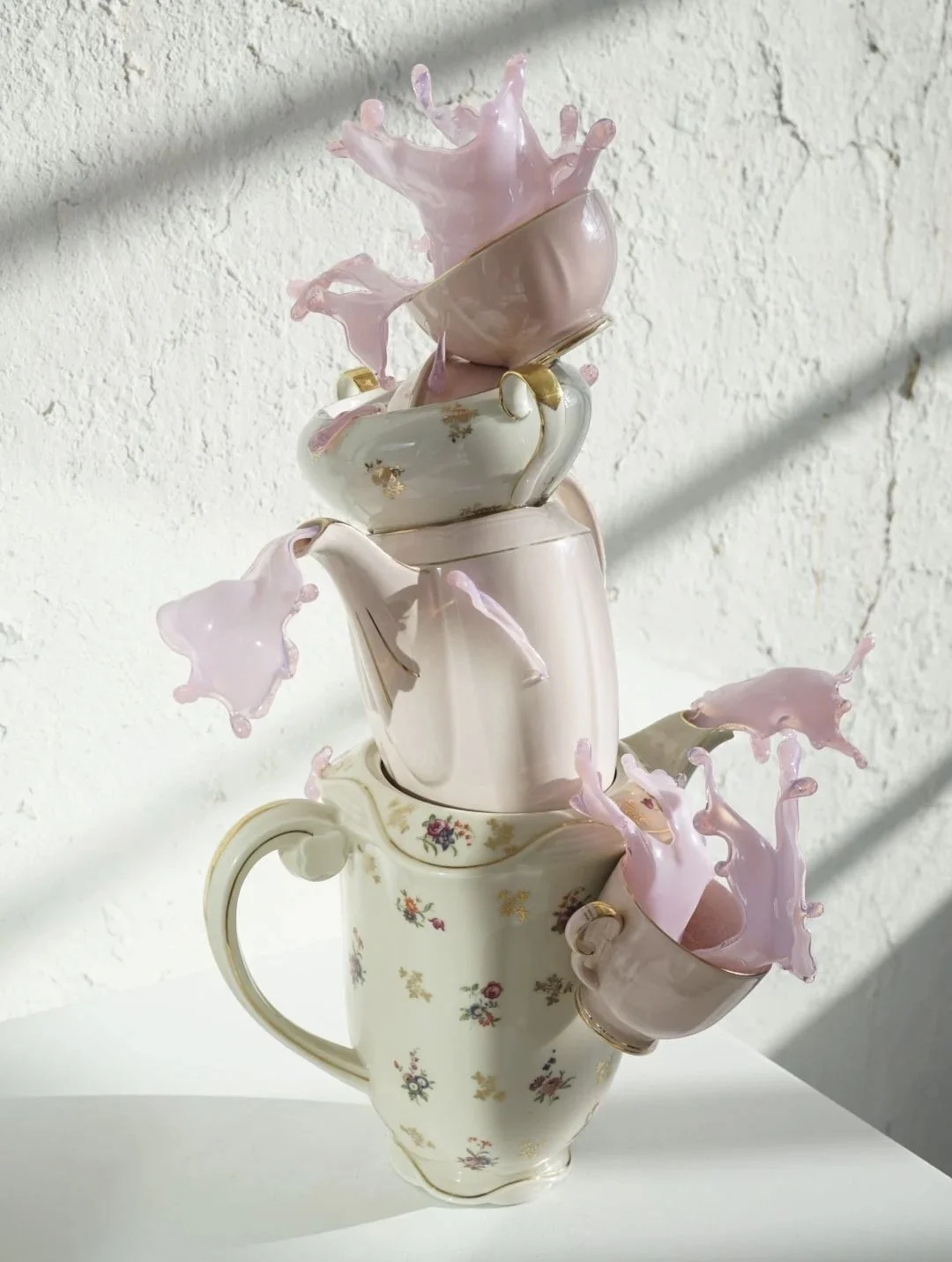
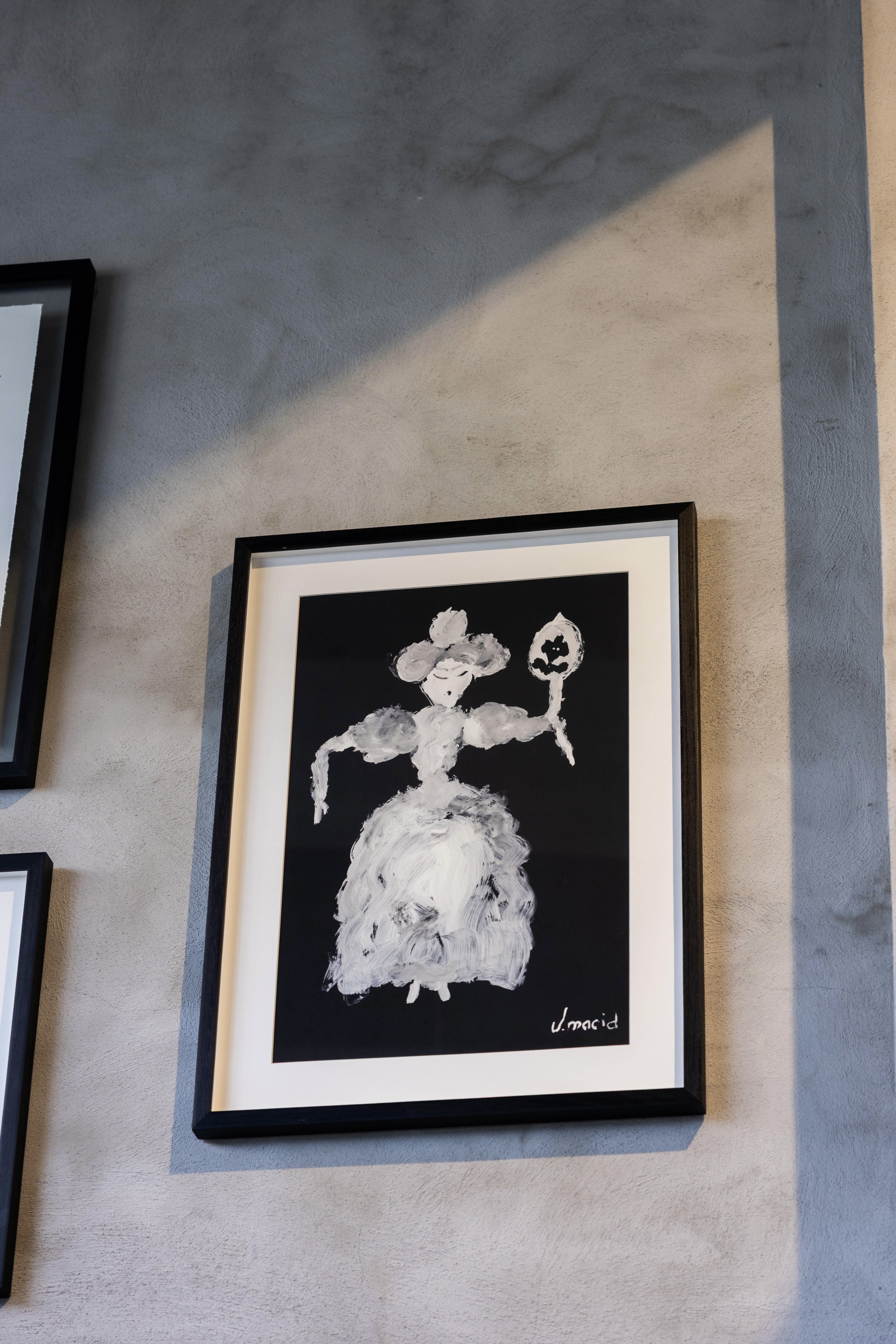
Some visitors buy a scarf or a candle first and return later for an edition or an original. Is she creating a new generation of collectors? That “feels like too big of a claim,” she says, but she believes they are making collecting feel more approachable. “You can start wherever you want, whether it's a piece of jewelry, a pillow, or even a pair of socks, and develop your relationship with art from there.”
On Three Decades of Pg Art
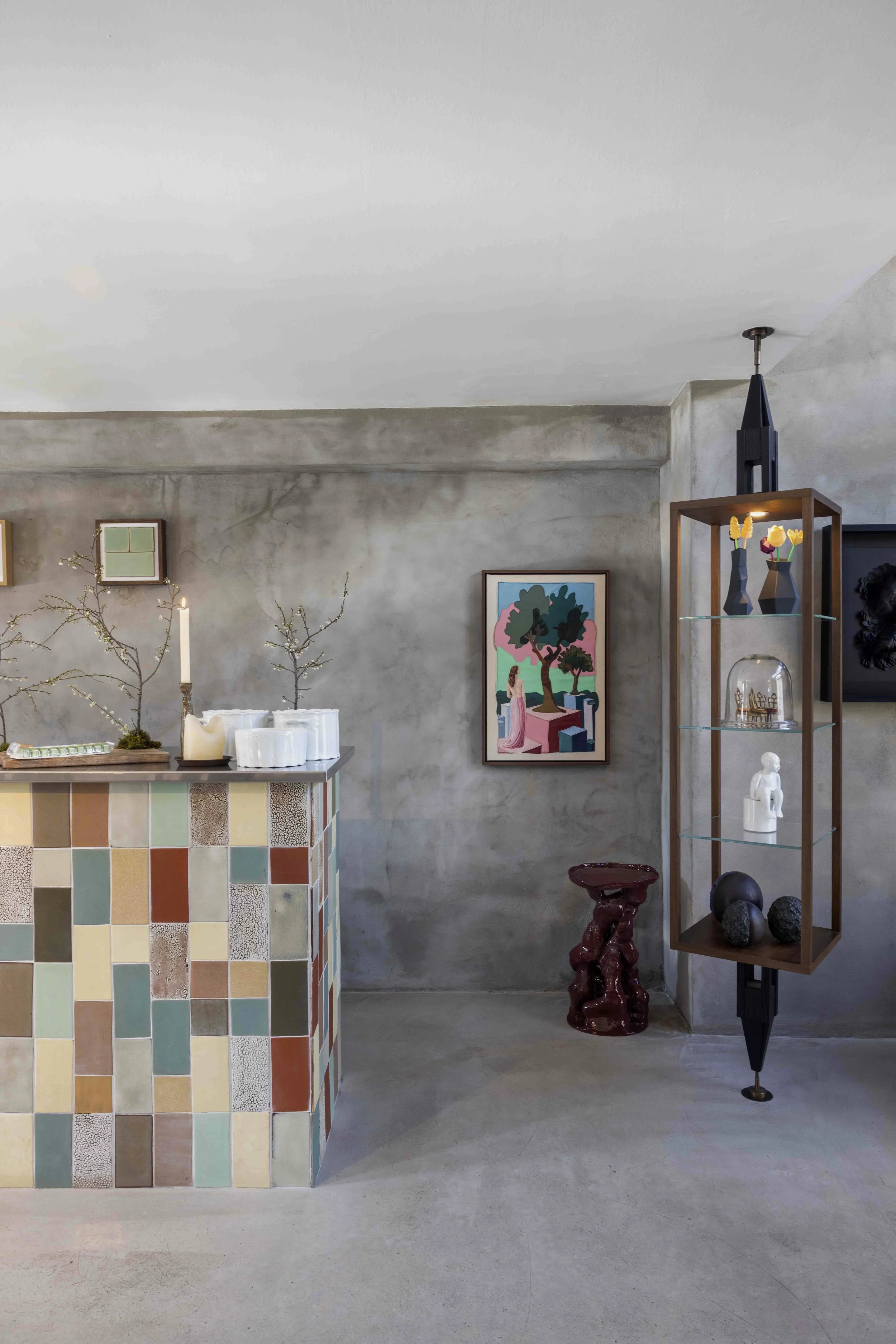
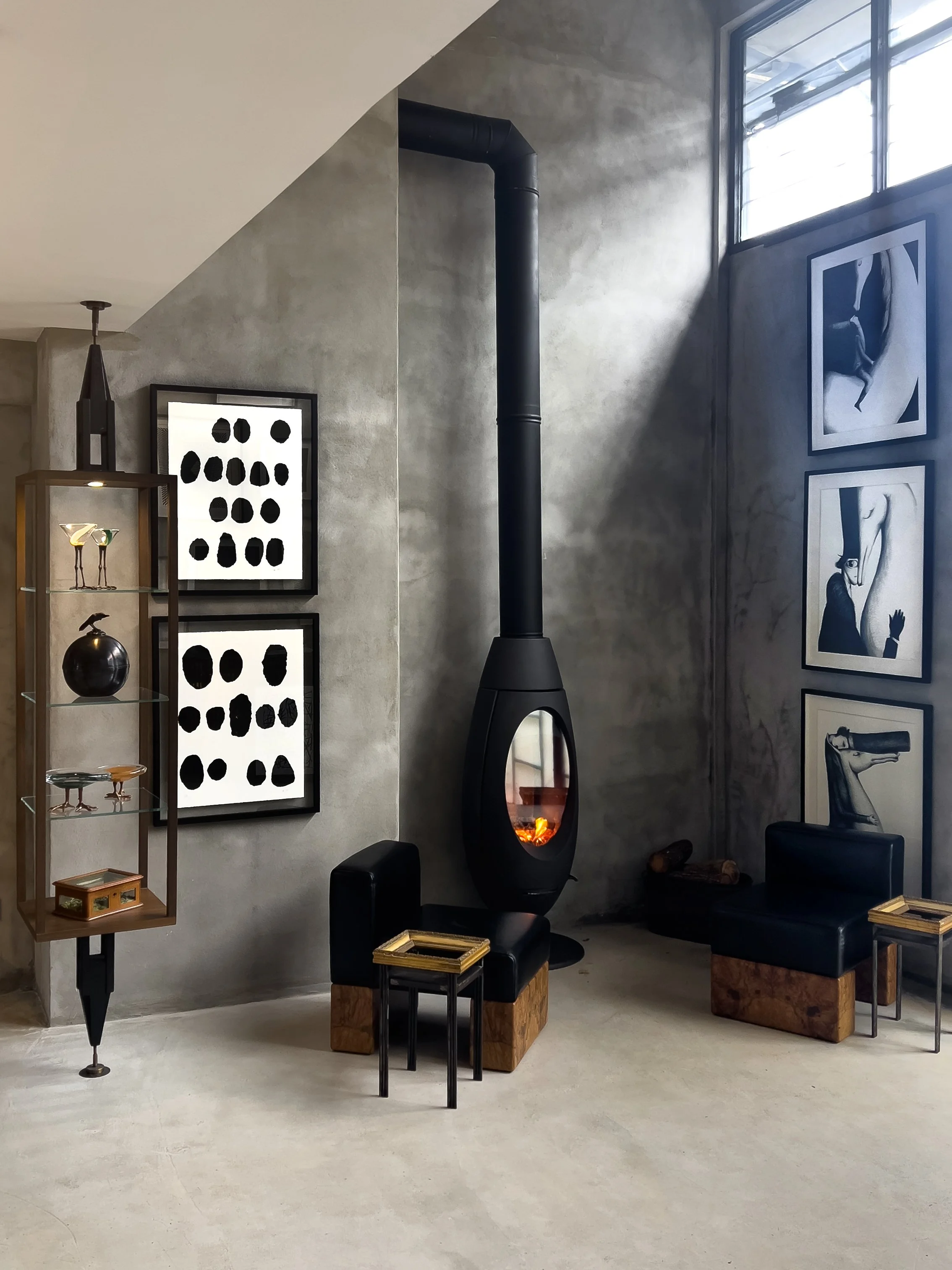
Yasemin says Pg Art's reputation didn't come from one decision. The gallery moved from Bebek to Tophane to Çukurcuma, and she credits its openness and adaptability for its long run. Traditional exhibitions sat alongside collaborations with architects, jewellery designers and brands. Later, Pırıl moved to the auto-repair district, away from most contemporary galleries but close to artists' studios, and opened Pg Pop Up. It was meant to be temporary, but it stayed. “You could visit three days in a row and see something different each time.”
From her aunt, Yasemin has learned care, attention to detail and a kind of self-reliance she admires: “If she believes in an artist, an idea or a direction, she trusts that instinct and takes a chance on it.” Following that example doesn't mean copying it. “I've never felt that I need to make something that looks or operates exactly like Pg Art Gallery.”
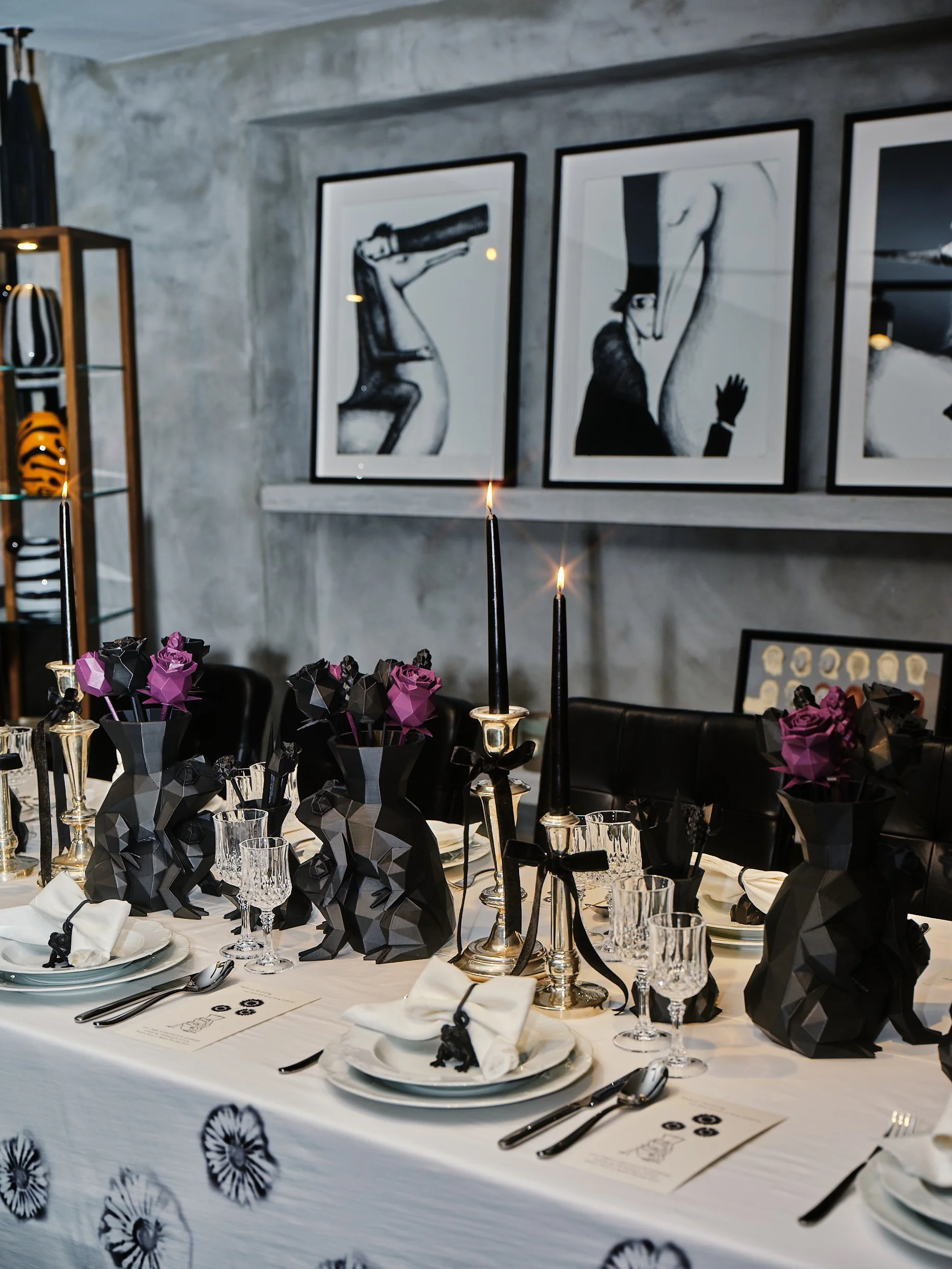
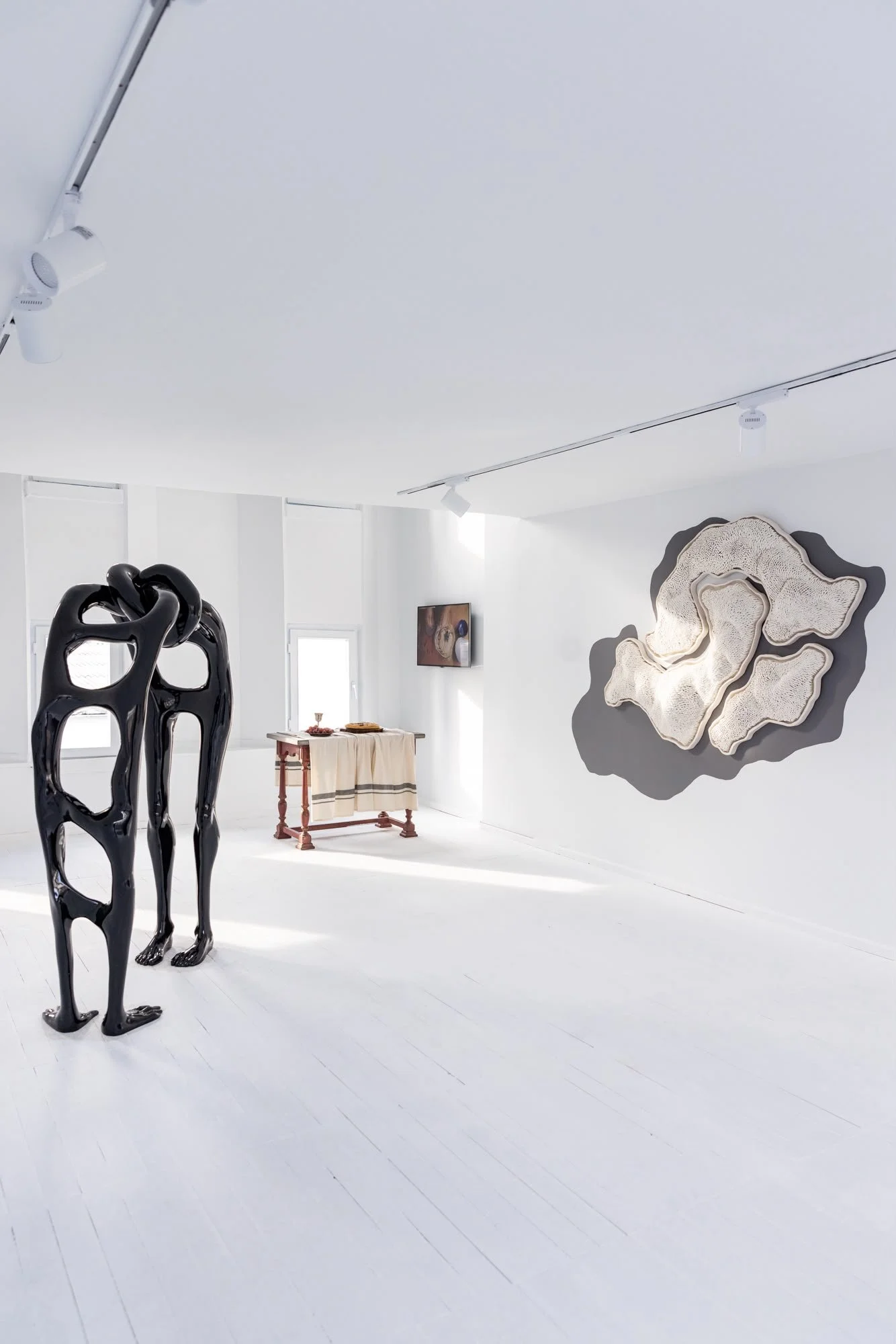
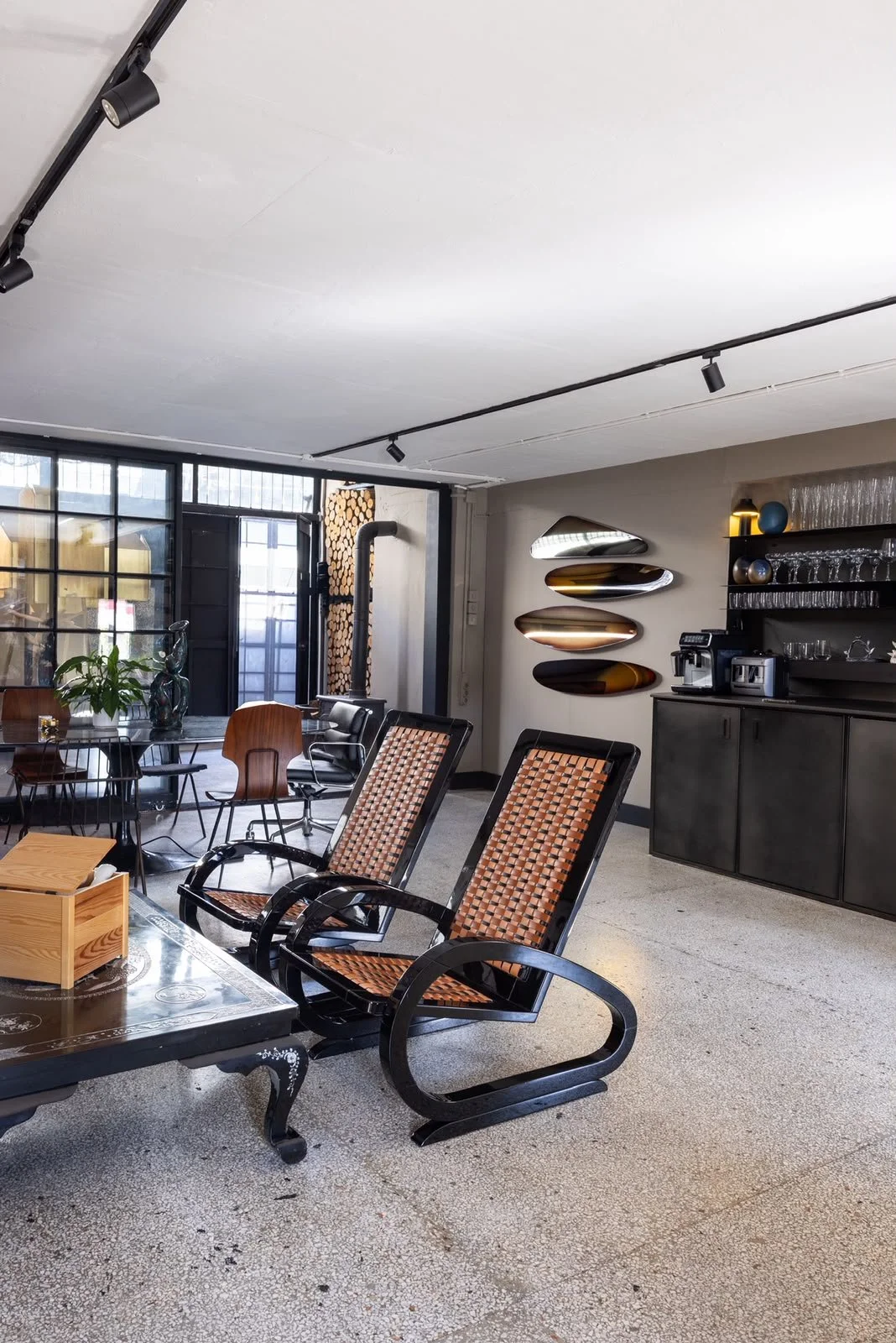
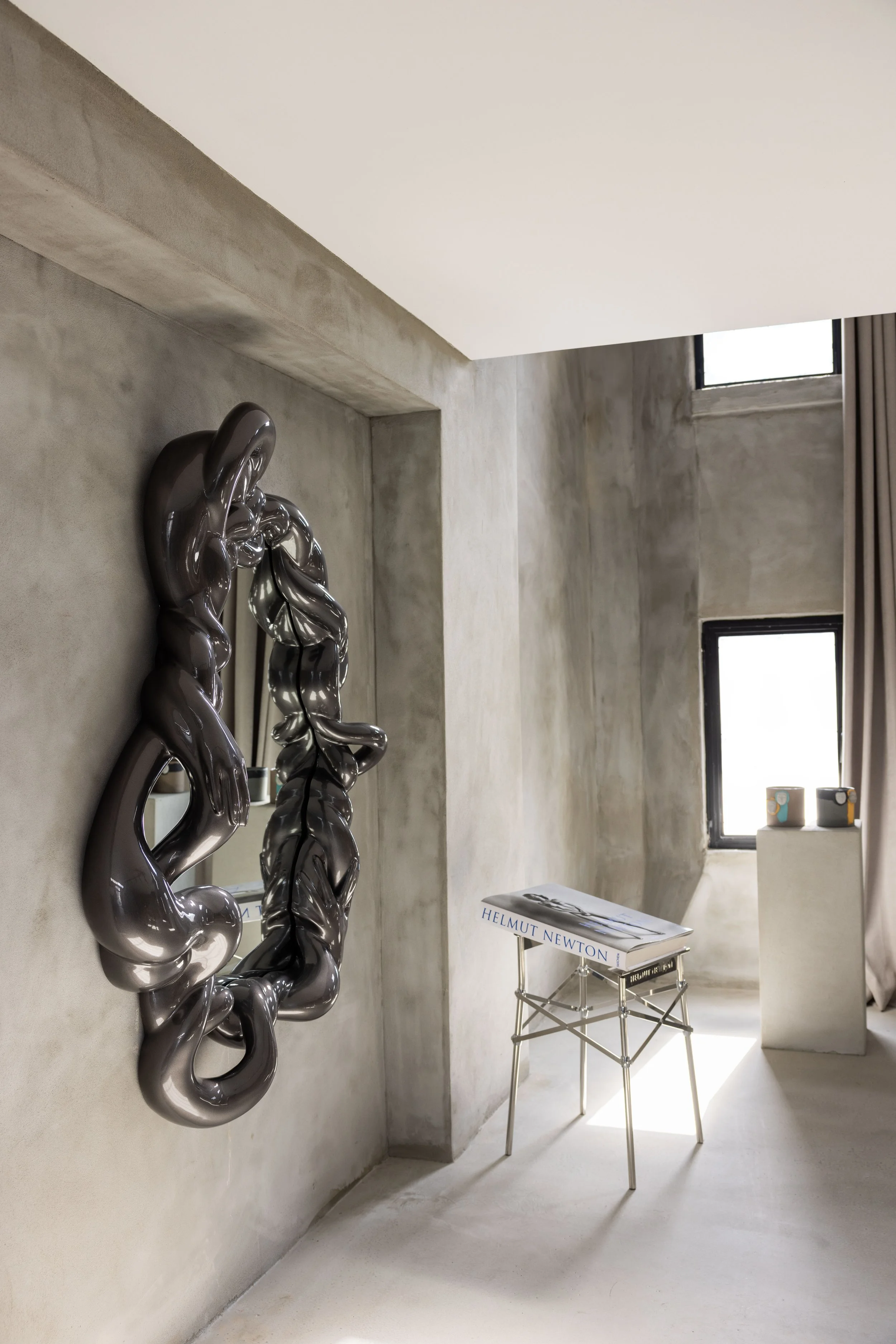
On Trust and Letting Go
Every project asks an artist to let their work become something else. Trust, she says, comes from “creating a space where they feel comfortable experimenting.”
The collaboration closest to her heart was with Devran Mursaloğlu, who passed away last year. Devran once arrived with a bag of paper strips and folded, rock-like forms from her practice. A photography team happened to be working there that day. Together they made temporary compositions and photographed them. “Those ephemeral installations now exist only through the photographs, which eventually became three different editions of 25 prints.” It was new territory for Devran, who was “genuinely happy with the result.”
On İstanbul, Without the Lens
Yasemin describes İstanbul's scene as built on relationships, where showing up is part of the job and where “costs and conditions can change very quickly, which pushes galleries to be resourceful and find creative solutions.”
She pushes back on the lens often waiting for Turkish artists abroad: geography, politics, East meets West. In Turkey, Ottoman architecture, traditional crafts, modernist buildings and global culture exist side by side, and none of it feels contradictory. Those layers can shape an artist without showing up in the work. “I would like Turkish artists to be seen for what each artist is doing, rather than always looking for what their work says about where they come from.”
She wants the world to know how connected the scene is. Turkey has deep production knowledge, from ceramics and glass to textiles and metalwork. And a younger generation of collectors is arriving, “curious, informed and less attached to conventional ideas.” “Bringing those two sides together,” she says, “creates a lot of potential.”
Images courtesy of Snob Collector
Words copyright of Naso Art Journal
