
Husam AlDhulaie
By Nayla
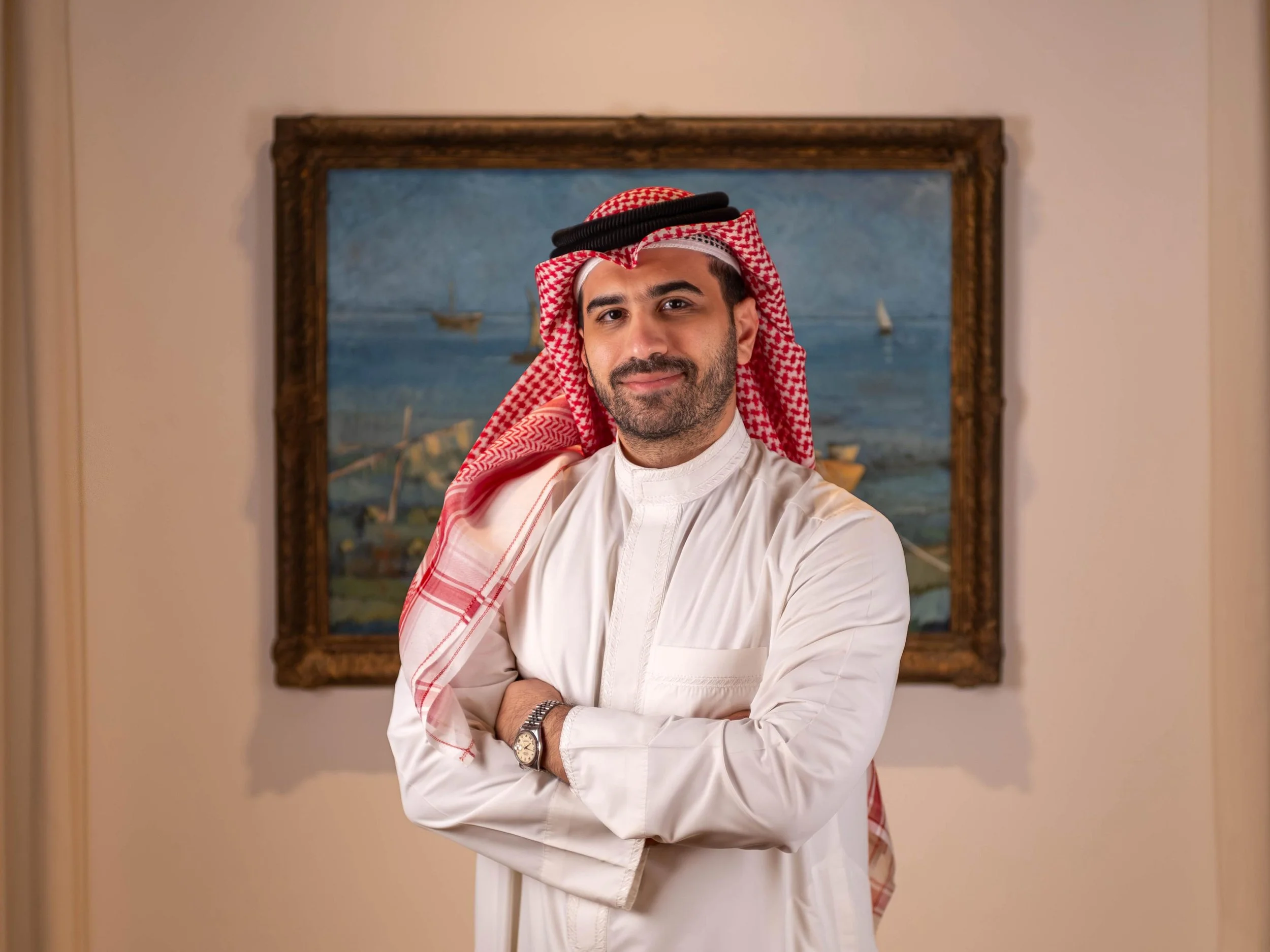
Portrait by Ali Mohamed
A Changing Gallery Landscape
Bahrain has long been home to a rich artistic community, with generations of artists contributing to the development of its modern and contemporary art scene. Yet, for much of its recent history, the island's commercial gallery landscape remained relatively small. Established spaces such as Albareh Art Gallery and Al Riwaq Art Space played important roles in supporting artistic practices and creating opportunities for exhibitions, encounters and dialogue. Beyond these, however, the number of dedicated galleries remained limited.
Over the past several years, a younger generation of cultural practitioners has begun contributing to this landscape, bringing new approaches to exhibition-making, artist representation and collecting. Among them is Husam AlDhulaie, founder of 56 Art Gallery, whose ambitions for the space are rooted in a longstanding personal relationship with art.
Growing up surrounded by his father's collection of antiques and artworks, AlDhulaie developed an appreciation for objects and the stories they carried. At just fourteen, he made his first acquisition: a museum print by a seventeenth-century Dutch artist, discovered at a Friday market, and purchased for five Bahraini dinars borrowed from his father. The print remains in his bedroom today.
Years later, that early curiosity developed into a collecting practice and, eventually, the founding of 56 Art Gallery. Having first established itself in Gufool and recently moved to Saar, the gallery is now preparing for its first international art fair, Aqua Art Miami, this December. Naso spoke with AlDhulaie about his journey as a collector and gallerist, the thinking behind 56, and his ambitions for Bahraini artists within a wider international art landscape.
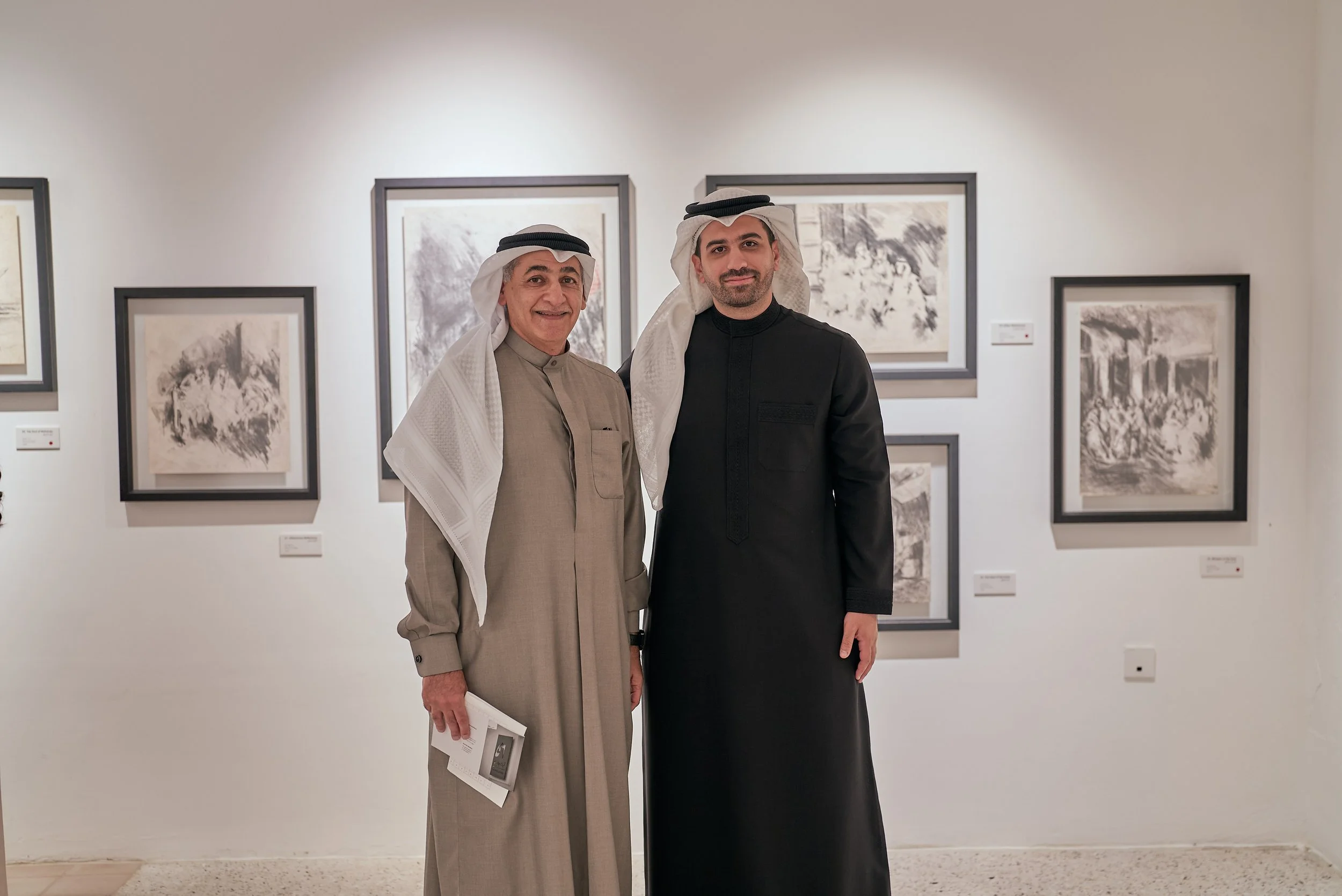
From Collector to Gallerist
How would you describe yourself as a collector today, and what tends to draw you to a particular work or artist?
“For me, collecting always begins with the beauty of the artwork and the connection I feel with it. I really believe art can speak to you. I like living with paintings that I can look at every day and still discover something in them. I'm also drawn to artists who have a strong identity and theirown way of expressing themselves. I don't choose a work simply because it is popular or because someone says I should own it. I have to feel something myself.”
Has your relationship with collecting changed since opening 56 Art Gallery?
“My taste is always evolving. Every time I meet an artist, travel, visit a museum or gallery, or read about art, I learn something new. Opening 56 has made that process much more intense because I am now involved with artists and their work on a daily basis. I look beyond what I might want for my own collection and think about how a piece can be presented, how an artist can grow, and how we can introduce their work to different audiences.”
Among the works AlDhulaie has acquired over the years, one painting holds particular significance: a 1976 work by Bahraini artist Ahmed Ghuloom. He describes it as the "perfect Bahraini painting," recalling how it changed the way he understood the possibilities of art and the imagination of the artist. It encouraged him to look more closely at the person and ideas behind a work, an interest that would later become central to his approach as a gallerist.
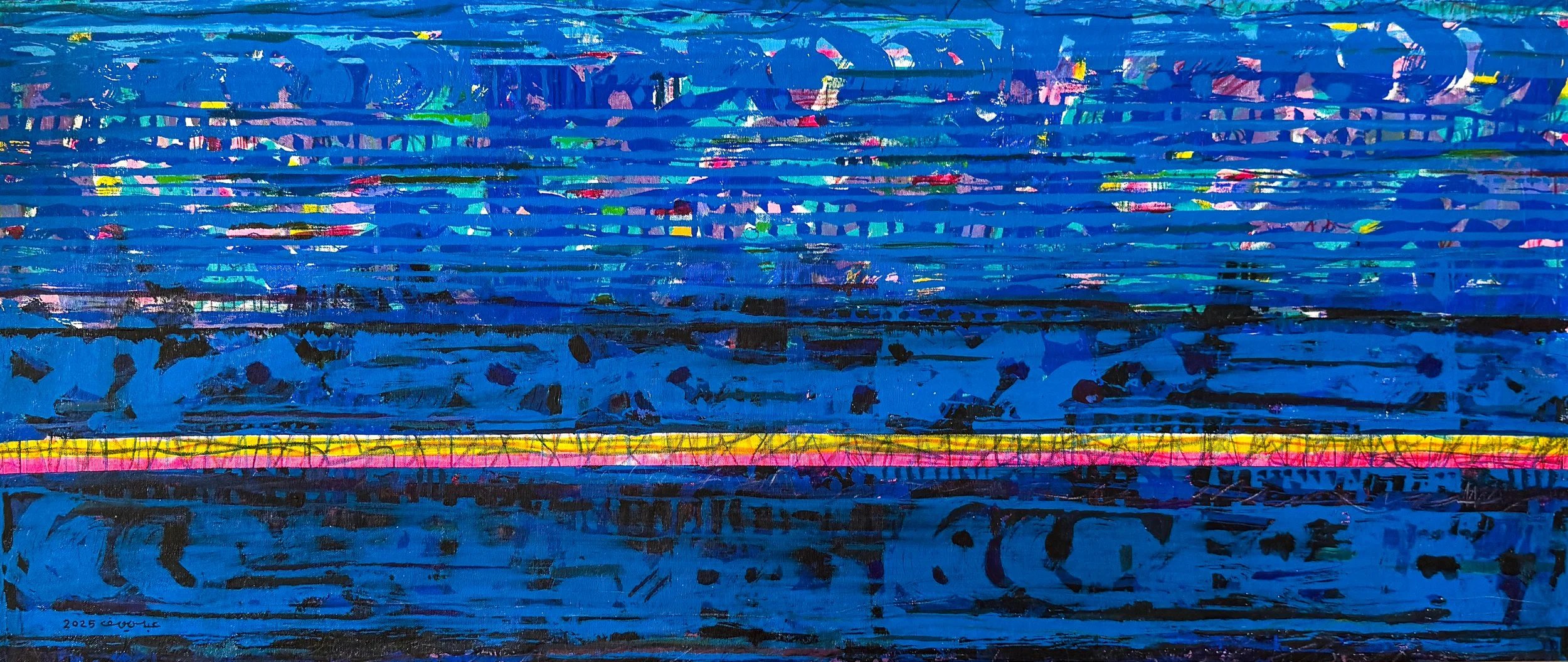
“The Sky of the Sea”, Abbas Yousif
Building 56
What led you to establish 56 Art Gallery, and what did you want to create through it?
“I had always dreamed of owning a gallery and becoming an art dealer. At some point I realised I could keep thinking about it, or I could start and learn through experience. Bahrain has so many talented artists, but I felt we needed more professional spaces committed to supporting them. I wanted 56 to be more than a place to hang paintings and make sales. I wanted to build a trusted gallery where artists feel understood, have room to develop and can reach people in Bahrain and beyond.”
The gallery's name carries a deeply personal significance. The number 56 refers to 1956, the birth year of AlDhulaie's father, whose appreciation for art first shaped his own. He describes the name as a tribute to someone he deeply loves and admires, carried into a project that has become an important part of his life.
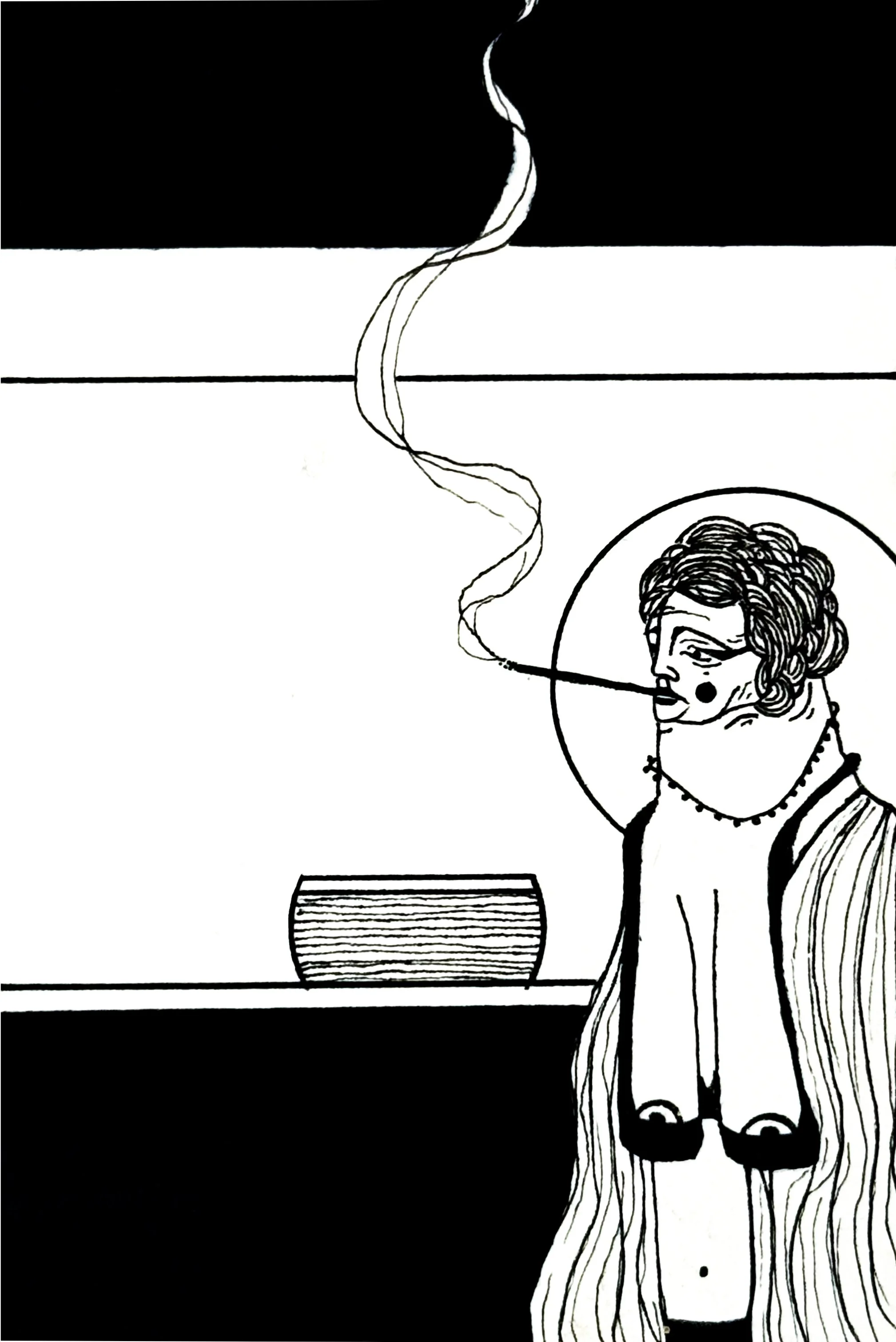
Faisal Aldhaen
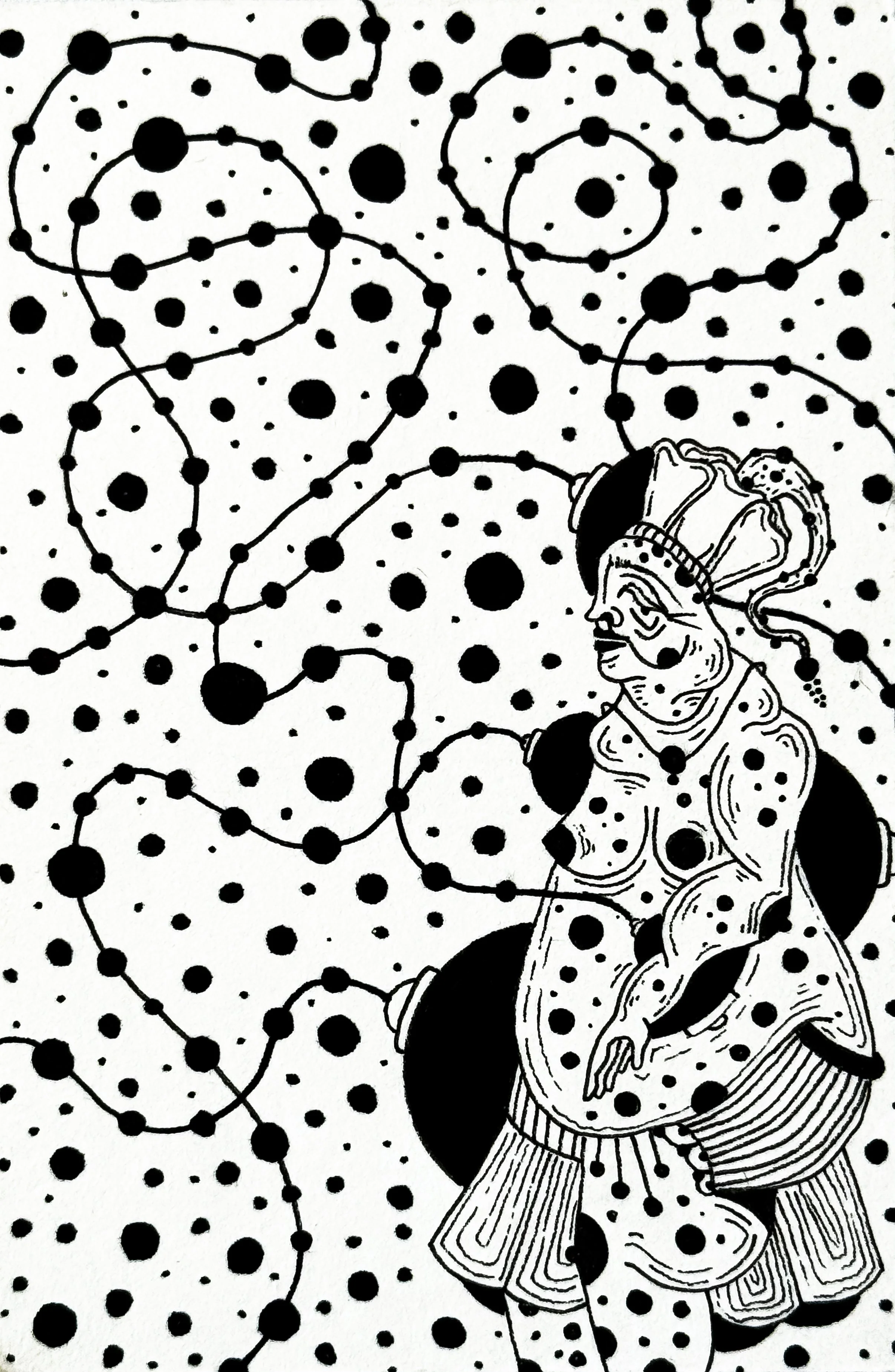
How would you describe the identity of 56 today, and what is most important to you in shaping it?
“I want 56 to feel different, but also welcoming. It should be professional and serious about art without becoming intimidating. We are not here only to exhibit and sell artworks; we want to discover talent, build relationships and help artists move forward. I want visitors to remember the experience of being at 56, whether they buy something or simply spend time looking. The identity of the gallery should come from the quality of our work and the trust we build with artists and the community.”
How much does your own eye as a collector influence the gallery's programme, and what do you look for in the artists you work with?
“My eye as a collector definitely influences the gallery. Years of looking at art, visiting exhibitions and meeting artists have taught me to recognise when something feels genuine and distinctive. When I consider an artist, I want to understand their work, their story and what they are trying to say. I also think about how their work connects with our community and with the wider art world. I am selective because I want 56 to have a clear point of view, not simply show everything that” comes our way.
How do you think about the balance between supporting artists from Bahrain and bringing different artists and practices into conversation through the gallery?
“For me, this is not just important; it is mandatory. I want to bring artists from different countries to Bahrain, while also creating opportunities for Bahraini artists to go out into the world. Artists need to experience different exhibitions, meet people, exchange ideas and understand what is happening internationally. That is how they learn, challenge themselves, think outside the box and find ways to stand out. I see building those connections as one of the main responsibilities of 56 Art Gallery.”
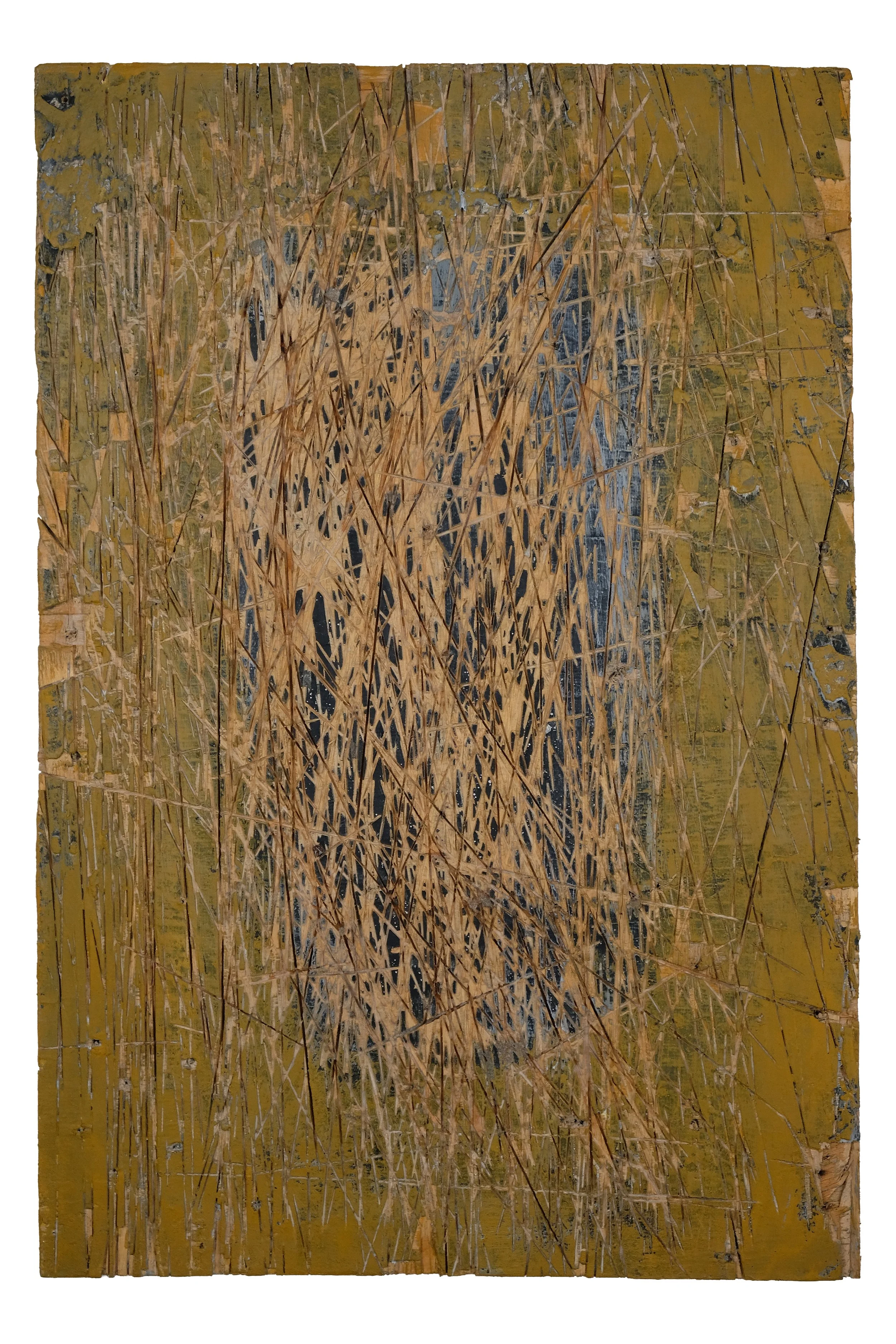
Lobna Al Ameen
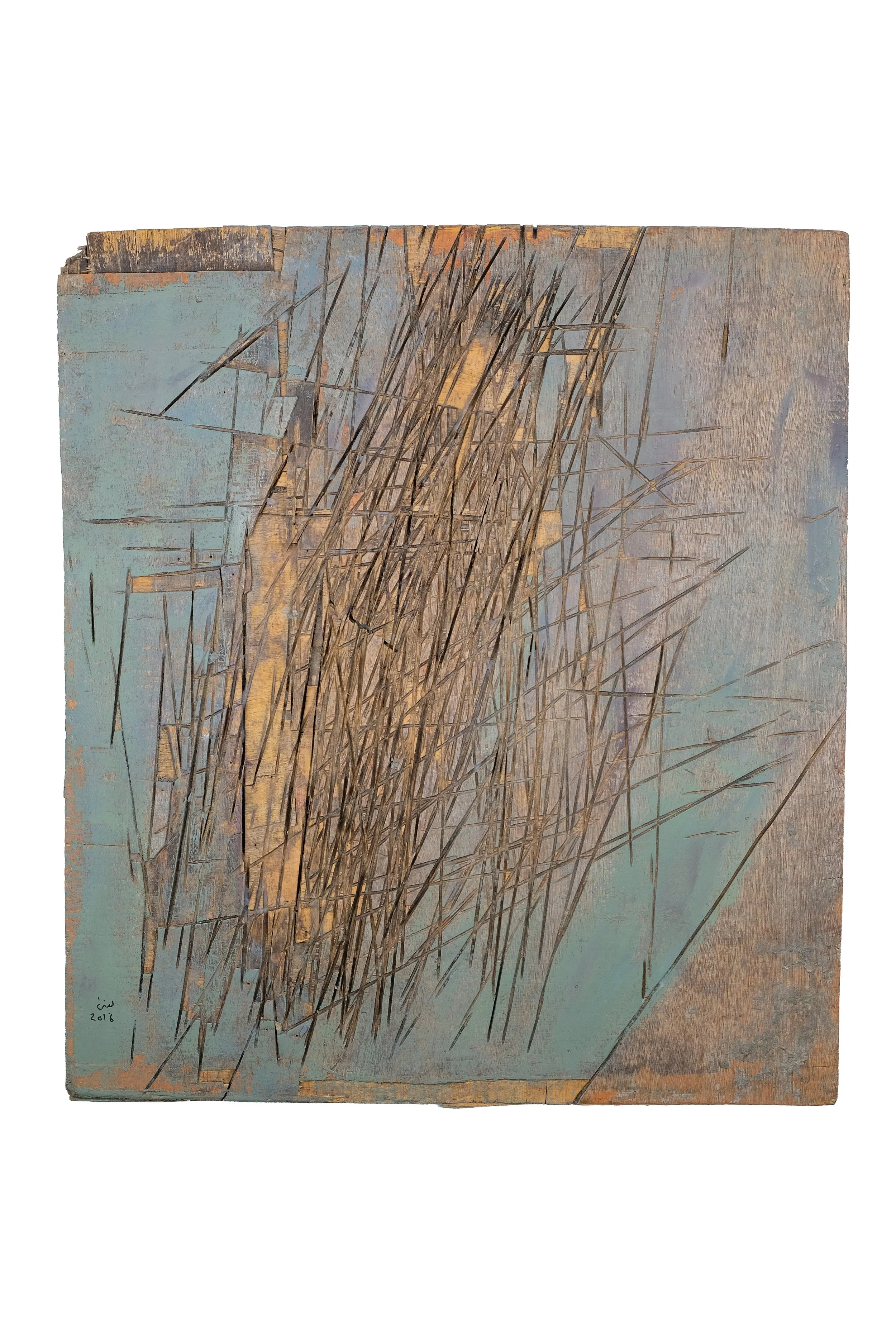
A New Chapter in Saar
56 Art Gallery's recent relocation from Gufool to Saar represents another stage in its development. For AlDhulaie, the decision emerged from the practical lessons of running a gallery and observing how audiences engaged with the space. While exhibition openings in Gufool attracted visitors, the gallery experienced more limited footfall outside these occasions. The experience brought questions of accessibility, visibility and everyday engagement into sharper focus. The move to Saar, he explains, offers more convenient access, alongside a larger exhibition space capable of accommodating works of greater scale.
More broadly, the relocation reflects his desire to make visiting the gallery a more natural part of people's routines. In his view, a successful gallery must cultivate an audience beyond its opening nights, creating an environment in which people feel comfortable returning, spending time with artworks and developing their own curiosity.
How do you hope people will come to use and experience the gallery as it enters this next chapter?
“I want people to feel at ease at 56. Whether someone is a collector, an art lover or simply curious, I want them to come in, take their time and enjoy what they see. Our team will always be there to welcome and guide people, without making anyone feel pressured. I would love the gallery to be a place where visitors ask questions, share their thoughts and discover something new. And I want them to know they are welcome even if they are only coming to look around. ”
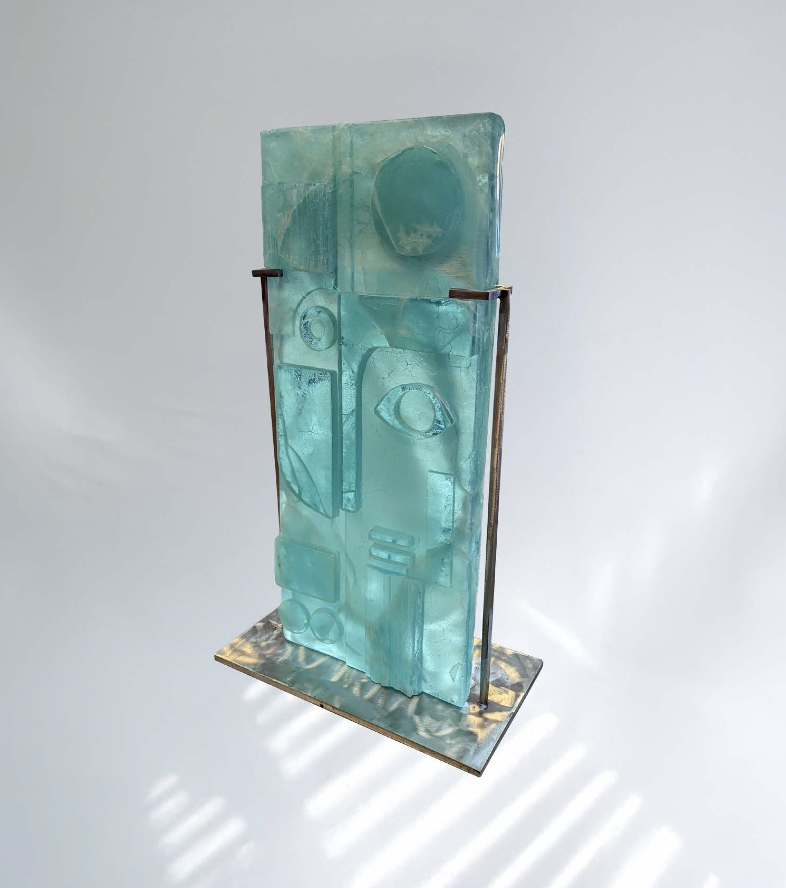
Jamal Al Yousif
Beyond Bahrain
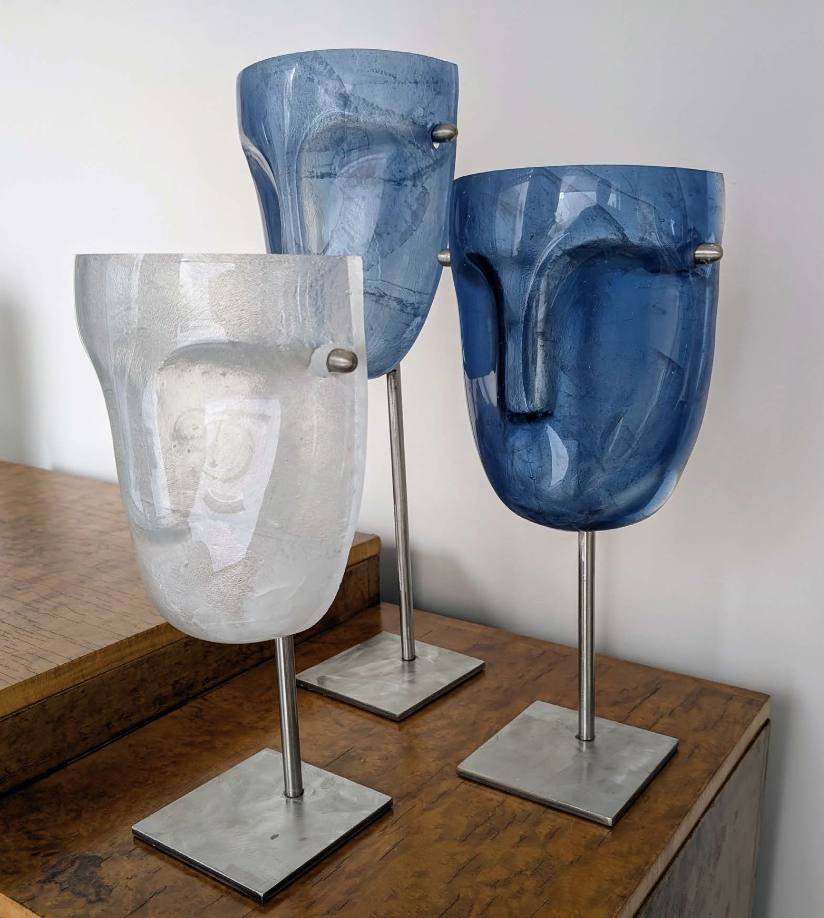
As 56 develops its presence locally, AlDhulaie is also looking towards opportunities for the gallery and its artists abroad. This December, 56 will participate in Aqua Art Miami, marking its first appearance at an international art fair.
What does taking 56 Art Gallery to Aqua Art Miami this December represent for the gallery at this stage?
“One of the reasons I started 56 was to take Bahraini art beyond Bahrain. I remember visiting Miami during Art Week and having such a welcoming experience that I promised myself I would return one day with a gallery, not just as a visitor. Being accepted by Aqua Art Miami is an important first step, especially because it supports emerging and mid-career artists. This is our first international art fair, and I see it as a chance to learn, meet people, understand a new market and introduce our artists to a wider audience. It is the beginning of a much bigger journey.”
What do you hope people encountering 56 in Miami will understand about the gallery and the artists it works with?
“When I visited an art fair in Miami in 2024, I remember being surprised that I did not come across galleries from the Middle East. Looking at the artworks there, I genuinely felt that our Bahraini artists were every bit as strong and deserved that same international stage. I want people to discover how much talent, creativity and individuality we have in Bahrain. This is not only about introducing 56 to a new audience; it is also about representing our artists, our culture and our country with pride.”
Where would you like 56 Art Gallery to be ten years from now?
“In ten years, 56 will be one of the most recognised galleries in the world. I want people to know us for the exceptional artists we represent, the quality of our exhibitions and the ideas we bring to the art scene. Our artists will be part of major international exhibitions and fairs, and 56 will have a presence in different countries. Bahrain will always remain our home and the heart of the gallery, but our ambition reaches far beyond it. I don't just want 56 to participate in the international art world; I want us to help shape it.
Eskander Dawani
Images Courtesy of 56 Art Gallery
Words copyright of Naso Art Journal
