
A conversation with Tom Eccles.
by Nayla
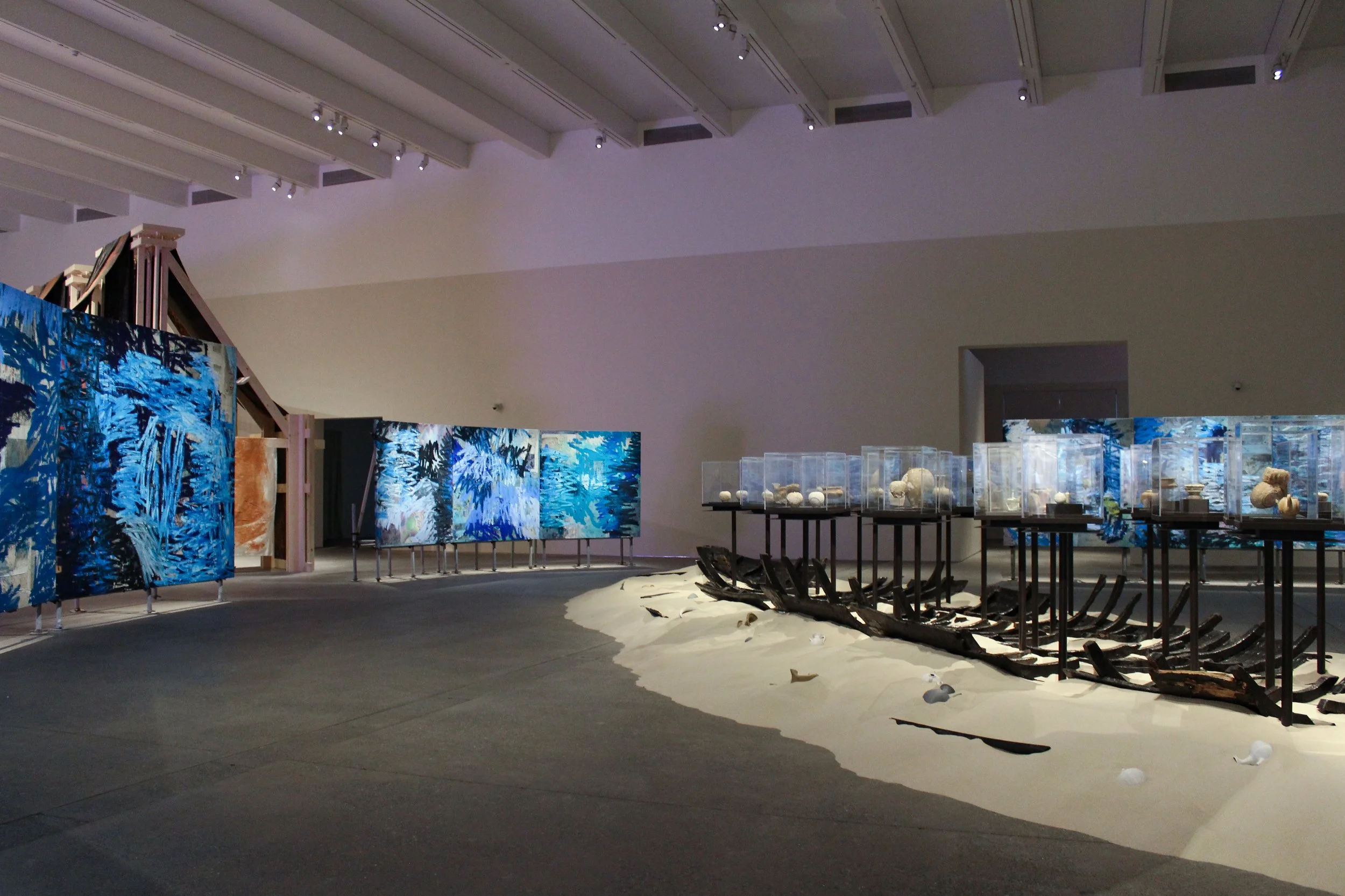
Marina Tabassum, Sailing the Monsoon Wind. Photographed by Nayla.
The inaugural edition of Rubaiya Qatar opened this past week, with many not knowing quite what to expect from the region’s new quadrennial.
Another major art event on the regional calendar, after a year marked by so much newness. Is another one really needed?
A visit to Rubaiya Qatar would very quickly put these questions to rest.
Arriving in Doha after a whirlwind 24 hours at Frieze Abu Dhabi, my pace slowed instantly, as if I had been running at full speed and suddenly found myself trying to move through water. Apt, given that the inaugural edition, titled Unruly Waters, takes water as its conceptual starting point. As I would soon discover, this change of pace was very much in keeping with the intentions of the exhibition’s four co-curators. As they explained, Rubaiya Qatar offered a chance to slow down.
On the morning of the opening, the press conference brought together the four co-curators of Unruly Waters, Tom Eccles, Ruba Katrib, Shabbir Hussain Mustafa and Mark Rappolt, alongside Sheikha Reem Al Thani, Deputy CEO of ALRIWAQ, Public Art and Rubaiya Qatar, and Sheikha Alanood Al Thani, Director of Rubaiya Qatar.
Central to the curatorial research were the artefacts recovered from the Cirebon shipwreck, a merchant vessel dating to the late ninth or early tenth century, discovered in the Java Sea off the coast of Indonesia. Now held within Qatar Museums’ collections, these objects offer material evidence of the extensive networks of trade and cultural exchange that existed across the Indian Ocean centuries before European colonial expansion. Alongside the research of environmental historian Sunil Amrith, whose book lends the exhibition its title, the shipwreck provided a geographical framework through which the curators could consider historical and contemporary forms of interconnectedness.
What emerged was an understanding of the Gulf within a much wider geography, one shaped over centuries by the movement of people, goods, knowledge and cultural practices. Water, in this context, offered a means of exploring subjects as varied as migration, ecology, labour, memory and belonging.
These ideas found expression in an exhibition that felt monumental in scale, yet remarkably grounding and contemplative in its experience. Throughout ALRIWAQ, many of the works incorporated moving image and sound, with successive spaces separated by heavy blackout curtains. Moving through the exhibition was a deeply immersive experience, each space inviting a different kind of attention, and taking the time to engage with these works allowed their narratives to unfold and connections to emerge between seemingly disparate histories, places and experiences.
The presence of historical artefacts alongside newly commissioned contemporary works further extended the temporal scope of the exhibition. There was a sense of continuity between the histories that informed the curatorial research and the contemporary realities to which many of the artists responded.
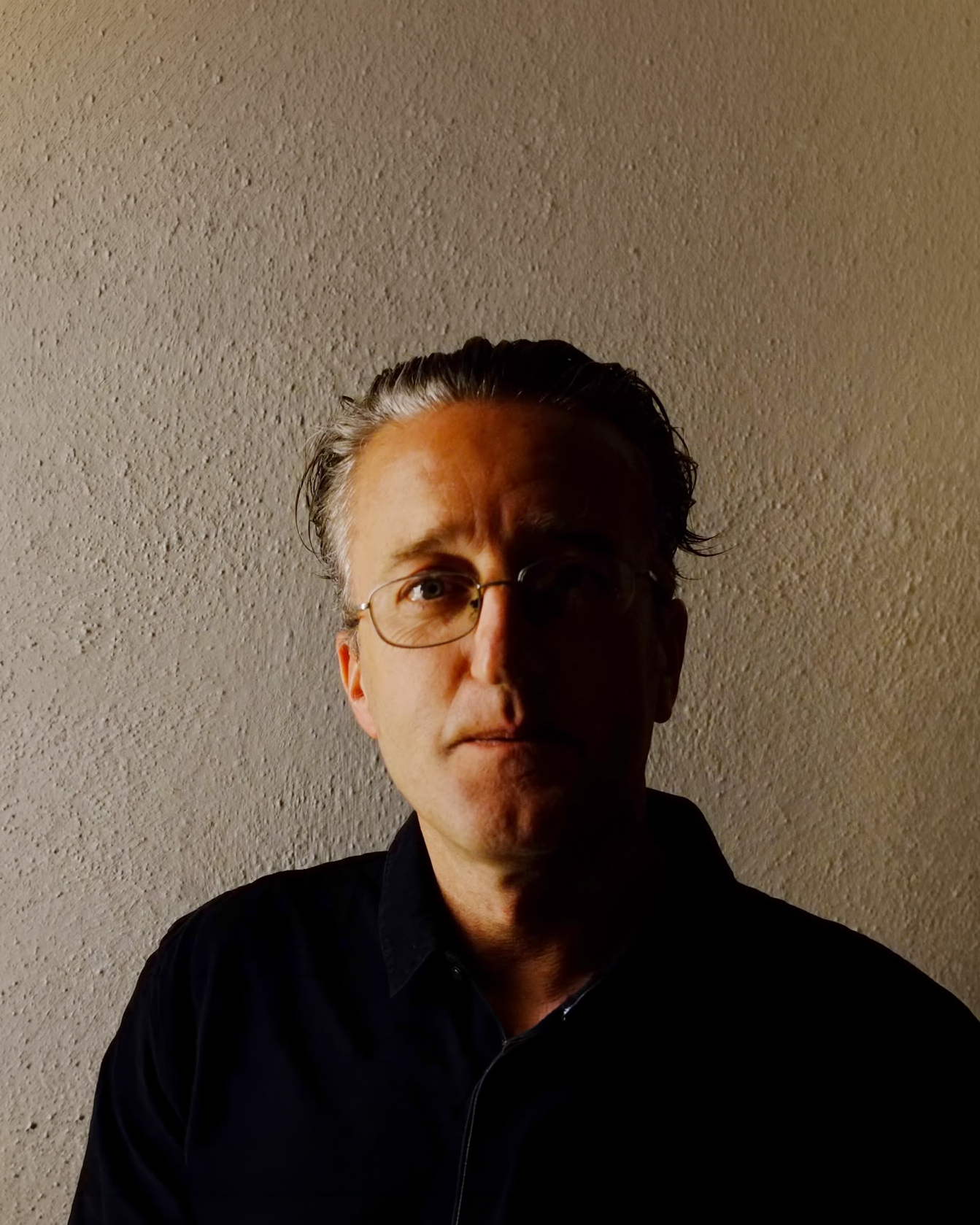
Portrait Courtesy of Tom Eccles
Naso Art Journal spoke further with Tom Eccles, one of the four co-curators of Unruly Waters, about the research underpinning the exhibition, the relationship between geography and artistic practice, and the possibilities afforded by the quadrennial format.
What first drew you to water as the central subject of Unruly Waters, and what interested you about exploring it through contemporary art?
It’s less about water and more about geography, which interested me. Water is a foil from which you can explore many aspects of our current conditions and the way we understand the world around us today, and has proved to be a surprisingly fruitful entry point for many of the artists who we commissioned.
Beyond inspiring the exhibition's title, how did Sunil Amrith's Unruly Waters inform your curatorial approach and the ideas you wanted to explore?
Sunil’s book was one amongst many that examined how the sea (particularly the Indian Ocean) shapes our lives in economic, ecological and geopolitical ways. In addition to the 9th or early 10th century Cirebon shipwreck, whose objects are part of Qatar Museums’ National Collection and which Marina Tabassum incorporates into her central installation, Sunil’s research led us to frame the geography of the show around the Maritime Silk Road.
How did you and your fellow curators develop a shared vision for the exhibition? Were there any differences in perspective that proved particularly valuable?
Each of the curators brought specific knowledge, particularly with artists whose work responds to the theme of water in its different facets, from ecology and migration to water as a source of connection.
What interested you about bringing historical objects, including those recovered from the Cirebon shipwreck, into conversation with contemporary artworks?
The Cirebon was a touchstone. We were looking through Qatar Museums’ extraordinary collections, first as general research and then specifically for something to start a conversation. The Cirebon helped to crystallize the research program in terms of artists to invite.
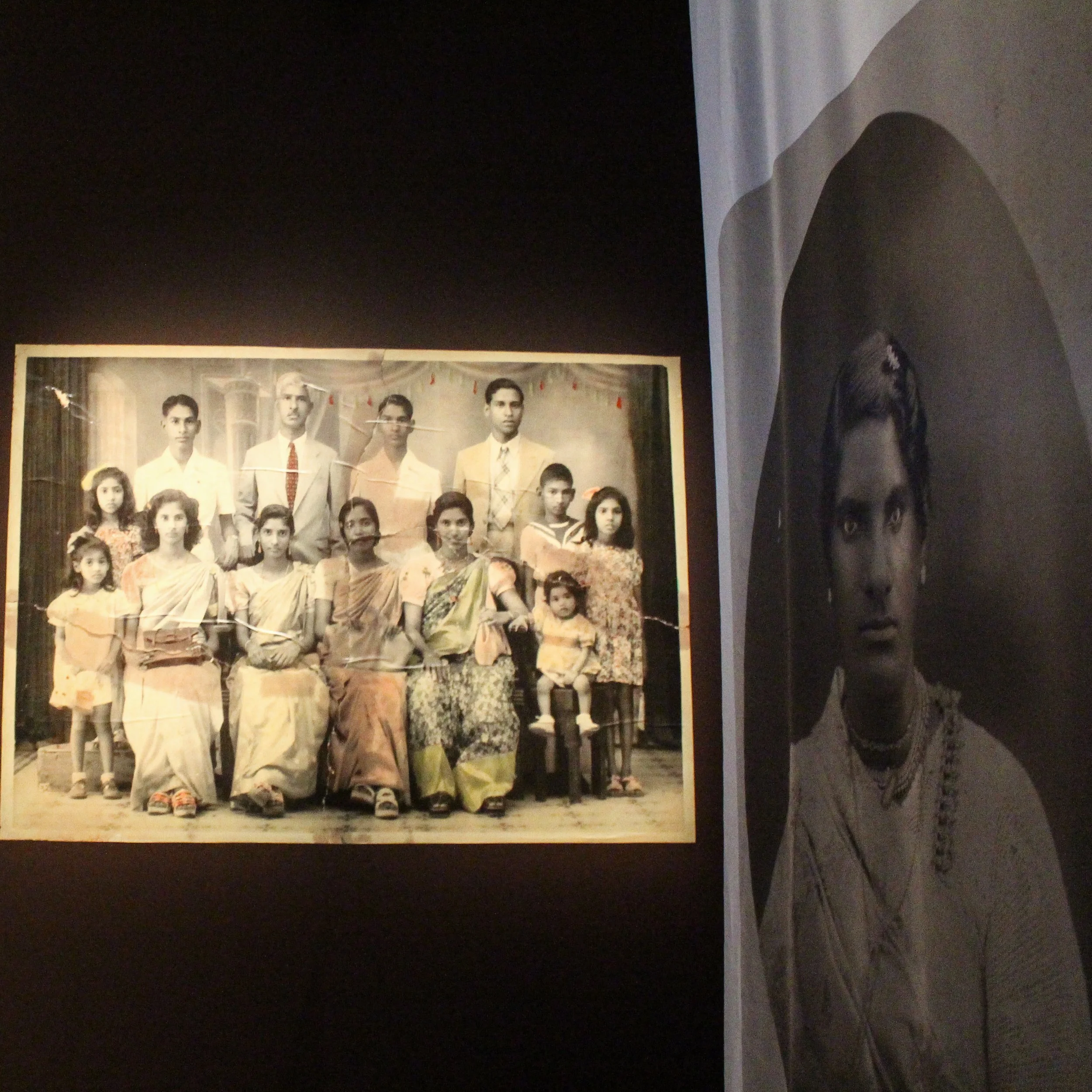
Nathalie Vairac, MUTIKKAPPATÂTA. Photographed by Nayla.
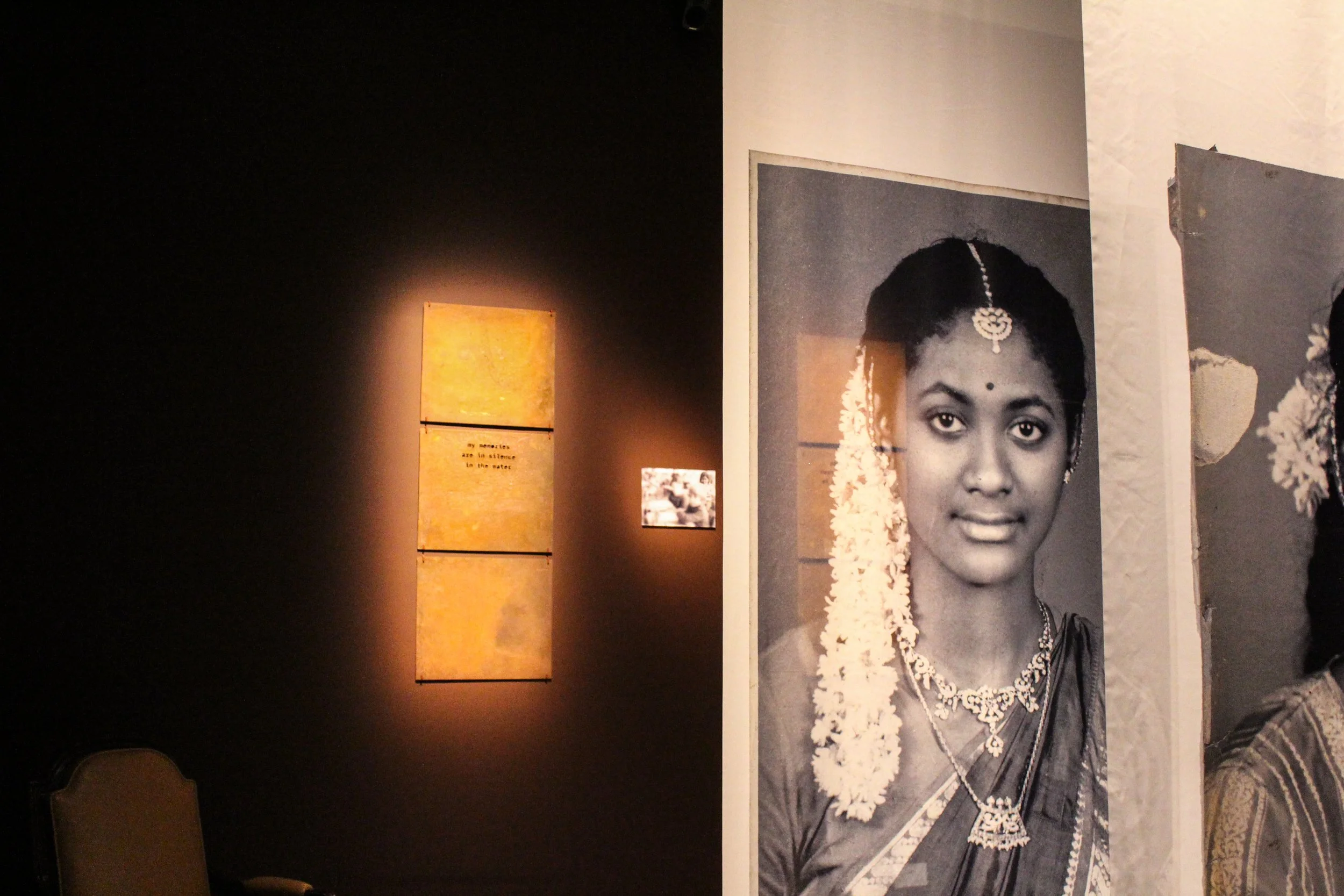
Nathalie Vairac, MUTIKKAPPATÂTA. Photographed by Nayla.
How did Qatar's geographical position and the diversity of its communities inform your approach to selecting the participating artists?
In essence, the population of Qatar is loosely mirrored in the artists who are part of Unruly Waters. The works reflect the historic and contemporary realities of these communities. Many of the works in the exhibitions are anchored to Qatar yet international by nature. For example, Rirkrit Tiravanija’s untitled 2025 (no fire no ashes) outdoor installation at MIA Park brought bakers from Qatar’s diverse international communities to prepare and share their local culinary traditions with the public, creating a space for cultural exchange, connection and conversation.
How has working with artists on new commissions influenced the exhibition? Have any of their approaches challenged or changed your initial thinking?
Many of the artists were a discovery, and the greatest pleasure of the exhibition is to have new worlds opened to me.
Did your experience co-curating One Tiger or Another at Mathaf in 2022 inform your approach to Unruly Waters?
One Tiger or Another was co-curated with Mark Rappolt as an exploration of what we hoped to explore for the inaugural edition. The focus of One Tiger or Another was Singaporean artist Ho Tzu Nyen and featured a cannon from QM’s collection, a contemporary video installation, eighteenth-century paintings and contemporary comic books. The exhibition explores history as the product of both fact and fiction. Unruly Waters continues this exploration of storytelling, where Ho’s work for the exhibition at ALRIWAQ continues this exploration.
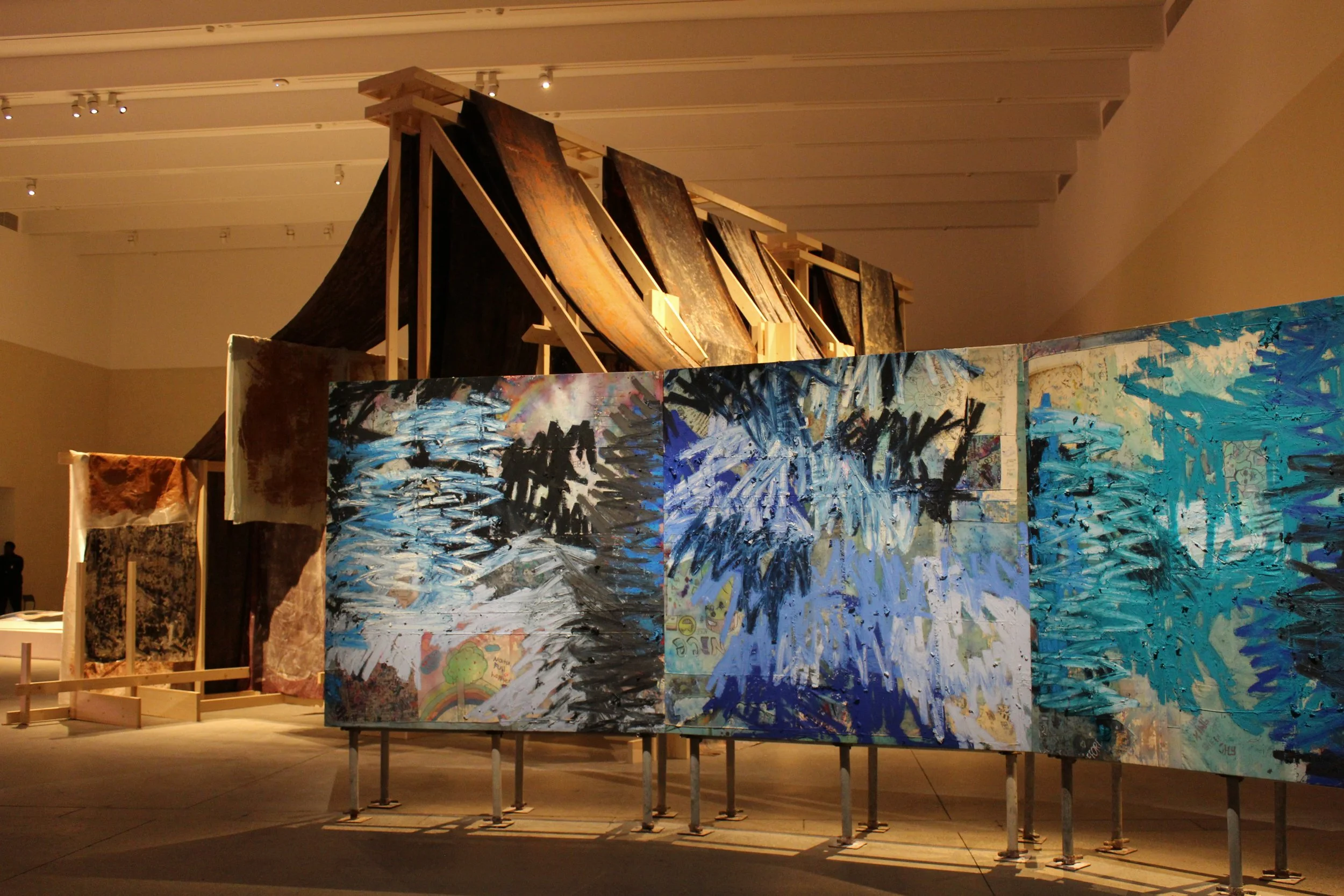
Dala Nasser, A heart slowly becoming embers. Photographed by Nayla.
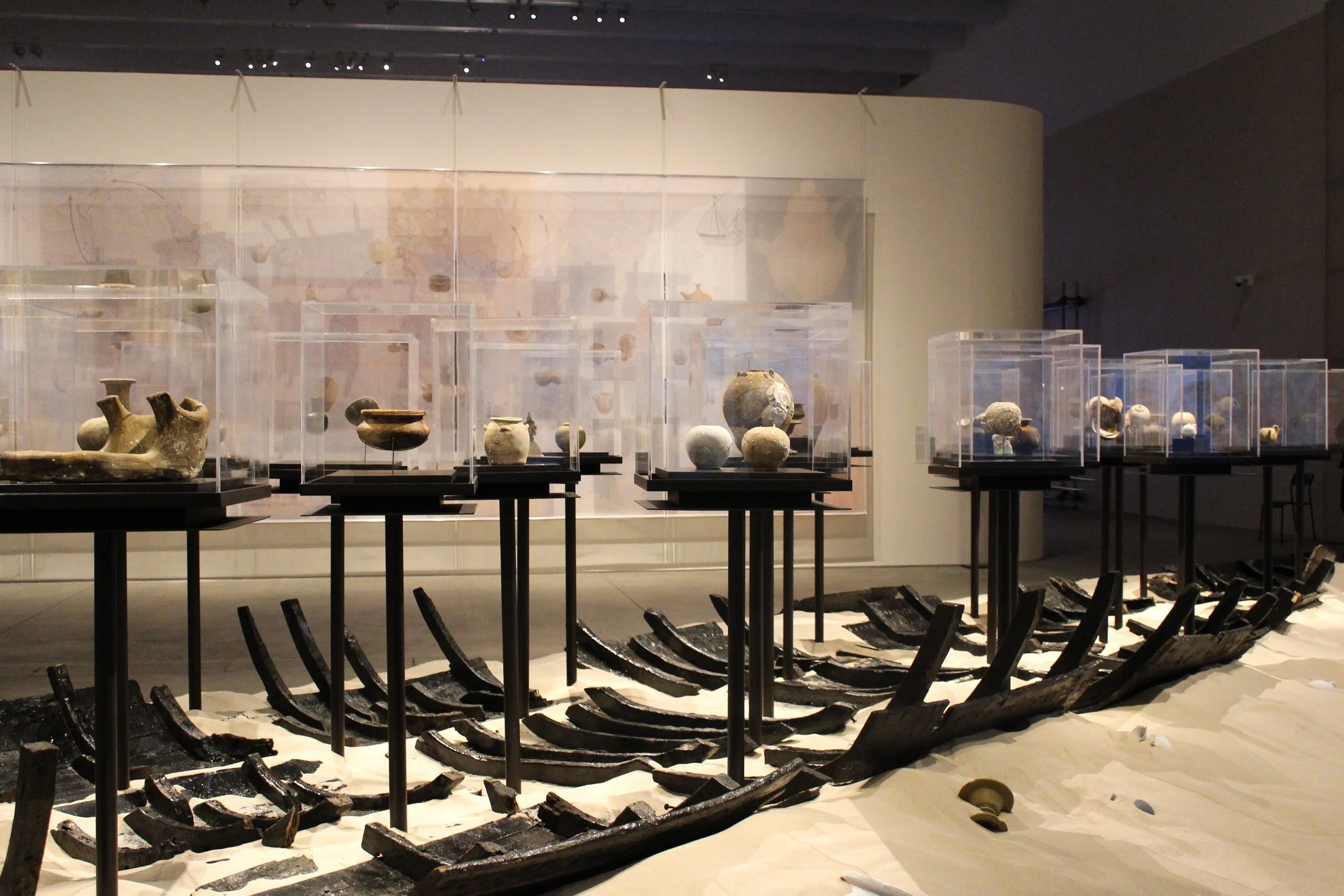
Marina Tabassum, Sailing the Monsoon Wind. Photographed by Nayla.
What opportunities does the quadrennial format offer for artistic research, experimentation and collaboration?
Above all, time and resources. It allows the artists time to develop their ideas and respond to changing personal and global situations and allows us to support their research and artistic practices and better understand them and their processes.
What do you hope audiences will take away from Unruly Waters, particularly in relation to the Gulf's connections with the wider world?
That one can make an exhibition that is both artistically challenging and culturally relevant, and continues to situate the Gulf at an important cross section connecting people and cultures.
Returning to the question of what another major art event might offer the region, perhaps one of the most compelling aspects of Rubaiya Qatar lies in its relationship with time. The four-year interval between editions affords artists and curators an opportunity to pursue sustained research, develop relationships and allow ideas to evolve. This generosity of time is something that can also be felt in the experience of visiting Unruly Waters.
In a region whose cultural calendar is becoming increasingly full, and where the pace of development often leaves little room to reflect on what has come before, Rubaiya Qatar offers a welcome opportunity to spend time with art and the histories, communities and geographies from which it emerges. It will be interesting to see how this approach develops over successive editions, and what a longer curatorial rhythm might contribute to the region’s cultural landscape.
Words Copyright of Naso Art Journal
