
Sculptor Yaşam Şaşmazer on materials, impermanence and the body as a place of encounter
Foreword by Soraya
My introduction to Yaşam Şaşmazer's work came through DEO Projects, a leading non-profit contemporary art platform on the Greek island of Chios, founded by curator Akis Kokkinos in 2021. Since its founding, DEO has brought international artists to the island through residencies, commissions and exhibitions, staged every summer in unexpected locations across the island, including Kampos, a historic district of citrus orchards and stone mansions just outside the island's main town.
For its fifth anniversary in 2025, Akis curated Once We Were Gardens at the Karavas estate in Kampos, an exhibition that brought together twelve artists to explore the notion of deterioration through the metaphor of the garden. I was struck by the work DEO does: bringing contemporary art to a place shaped by time and giving artists the space to respond to it. Among the artists who passed through Chios was the Istanbul-based sculptor Yaşam Şaşmazer, whose work was part of Once We Were Gardens. I asked Akis to introduce us, as I wanted to invite her to speak with Naso.
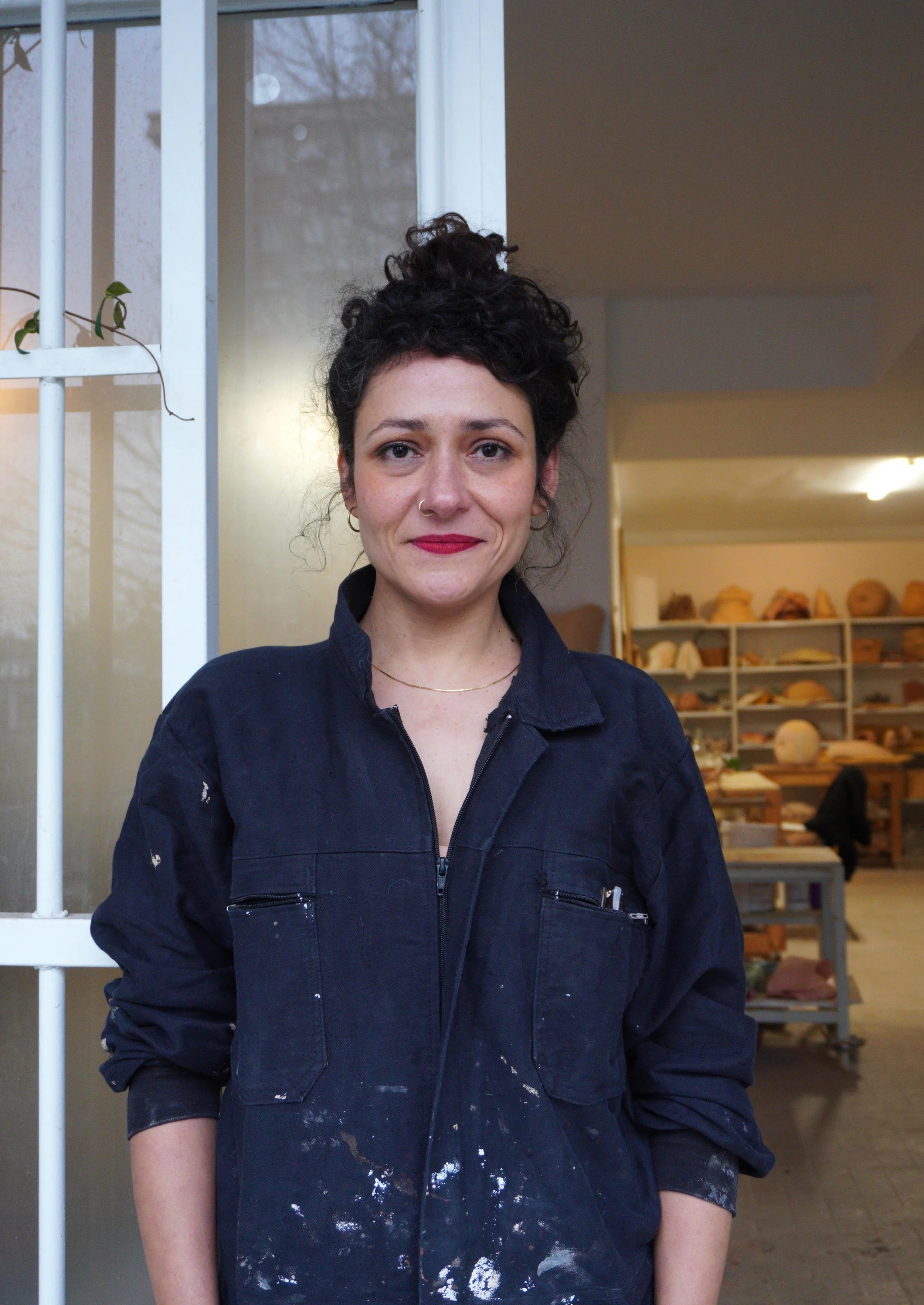
On Making Before Art
Yaşam Şaşmazer was born in Istanbul and grew up in the middle of the city. She was a curious child, though the city did not always leave much room for curiosity. Whenever they could, her parents took her to parks and forests, and those early encounters with nature, she says, became part of the way she looks at things.
Her mother was the other influence. She was not an artist by profession, but she was "a real maker," always fixing, sewing or building something, and good at turning ordinary things into materials for play. Before Play-Doh, they made their own sculptures from flour, salt and water. They drew, made toys and repaired furniture. Looking back, Yaşam sees that as the beginning of her relationship with making: "not as something separate from everyday life, but as a way of playing with things, transforming them, building them and taking them apart."
On Being Chosen by Sculpture
She had planned to study painting. When every fine arts school she applied to accepted her into its sculpture department instead, she stopped insisting and enrolled. "I think it's more accurate to say that sculpture chose me," she says. She fell in love with it on the very first day.
What drew her was the material and physical richness of the medium. Sculpture is made with the hands but also with the whole body, and she describes it as a kind of dance. To her, it feels less like the old idea of the artist creating something from nothing and "more like an action carried out by subjects together." Working with a material teaches you how much force to apply, when to stop, what it allows and where it pushes back. Sometimes the material decides the direction; sometimes she pushes it towards her own. "This mutual process of negotiation is what makes sculpture feel so alive to me."
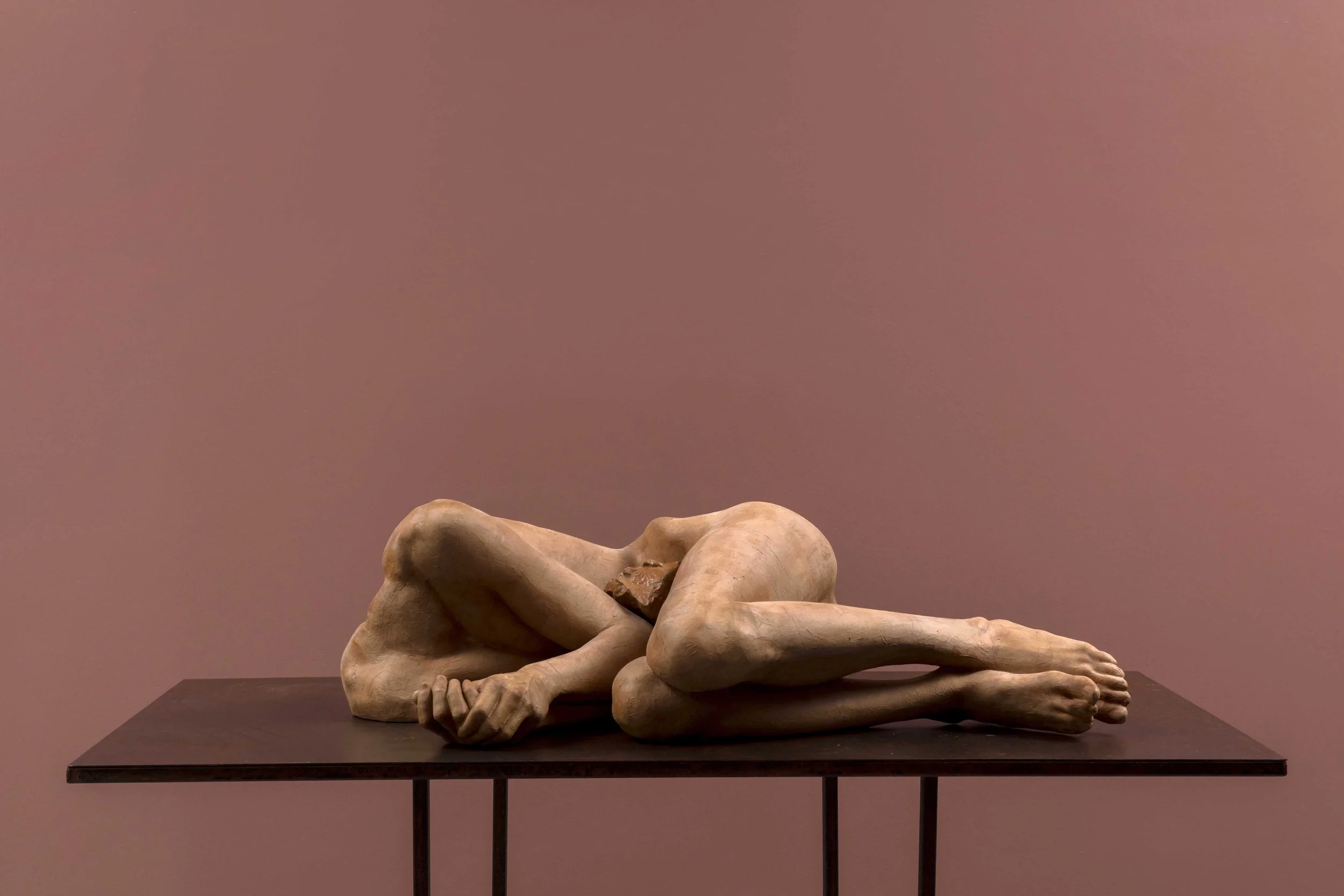
Yaşam Şaşmazer
either/or III, 2020
Photo: Kayhan Kaygusuz
On Listening to Materials
Her materials have shifted over the years, from stone and marble to wood, then paper and clay, and more recently moss, lichen, fungi and earth.Over time, she has developed an intuition for recognising which material a work calls for, through years of trying, failing and repeating.”Stone and marble did not suit her. With wood, "I felt that our characters were more compatible." Paper and clay brought a lightness she needed. Living, organic materials entered her practice during a period when she had no studio, through long walks in the forest.
Today, she rarely looks for a material simply to carry out an idea; What it asks of her, in the end, is simple: "to listen to it," to understand its nature and bring her own intentions into line with it.
On Letting Time Finish the Work
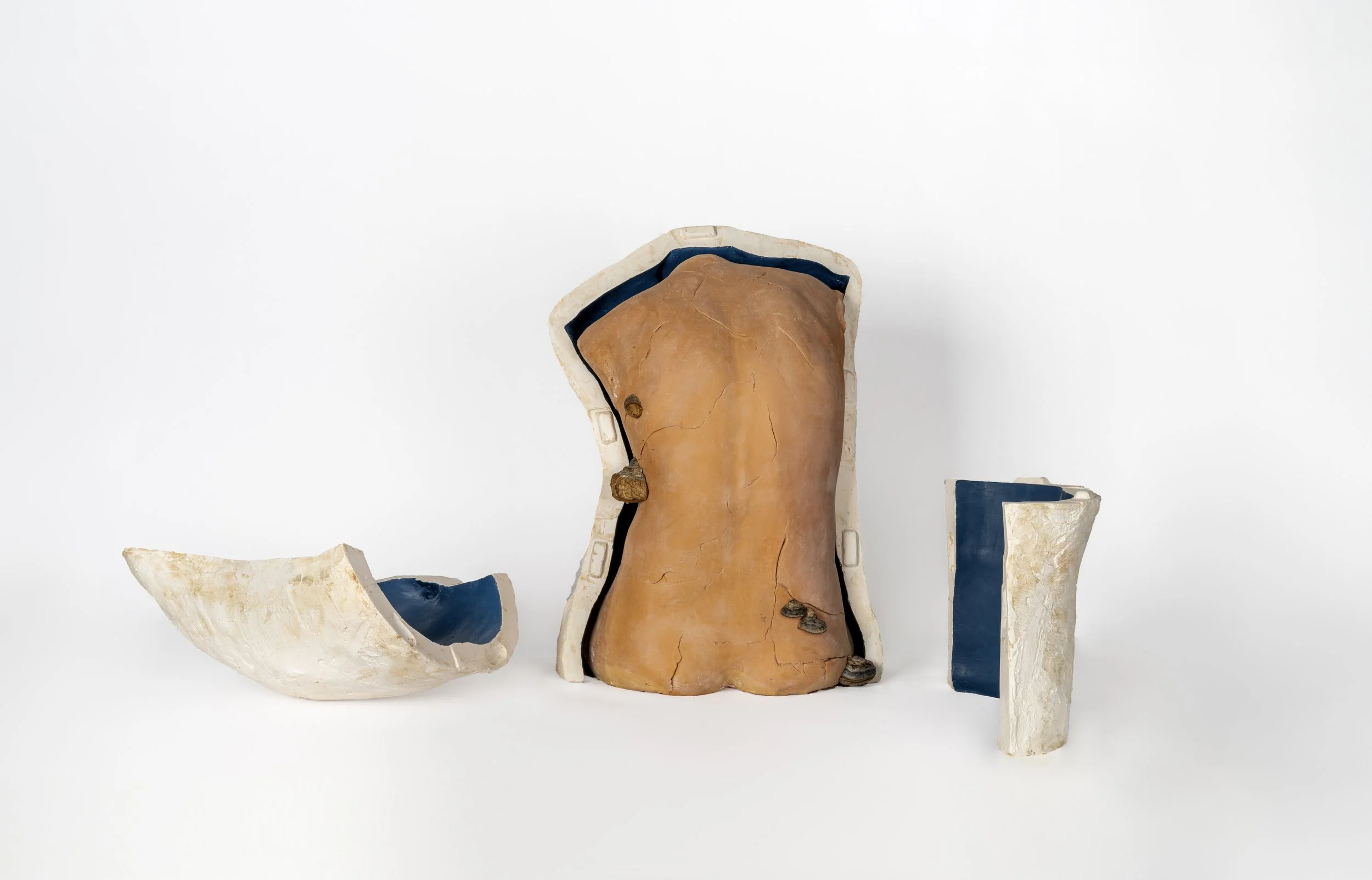
Some of Yaşam's sculptures are finished in the conventional sense. Others she deliberately leaves to time and decay, and she values the fact that they keep changing after she has stepped away. Wanting an artwork to stay exactly the same forever, she argues, is connected to our attachment to human centrality and permanence, perhaps even to "our anthropocentric arrogance," an extension of our wish to control the world.
Working with impermanence has changed what "finished" means to her. "The fact that the making of a work is complete does not mean that its transformation is complete." Leaving a work open to time, decay and other forces, without always deciding how long it will last or how it will change, can itself be part of the work.
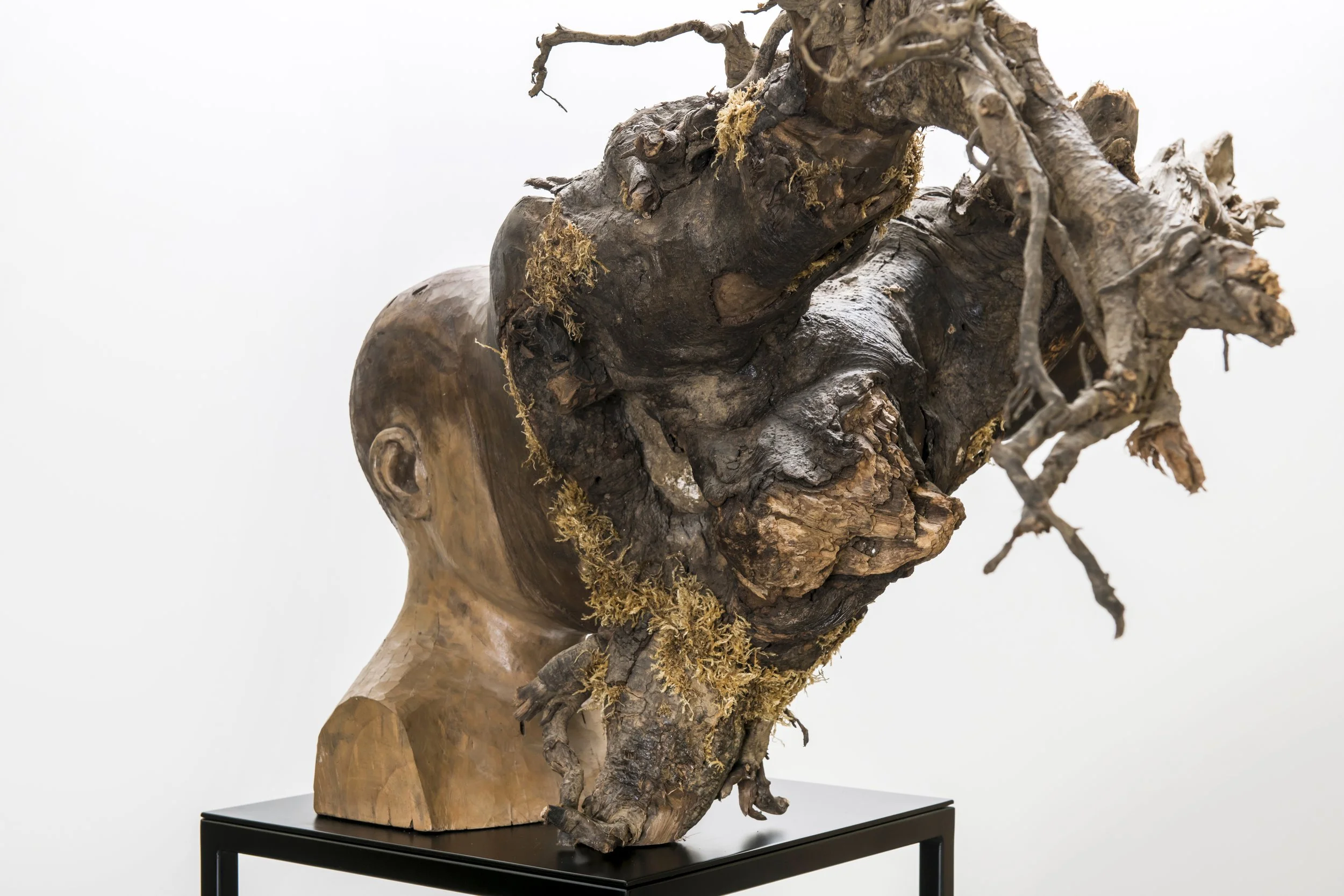
Yaşam Şaşmazer
Untitled (Uprooted Self-portrait), 2017
Photo: Kayhan Kaygusuz
On Where the Body Ends
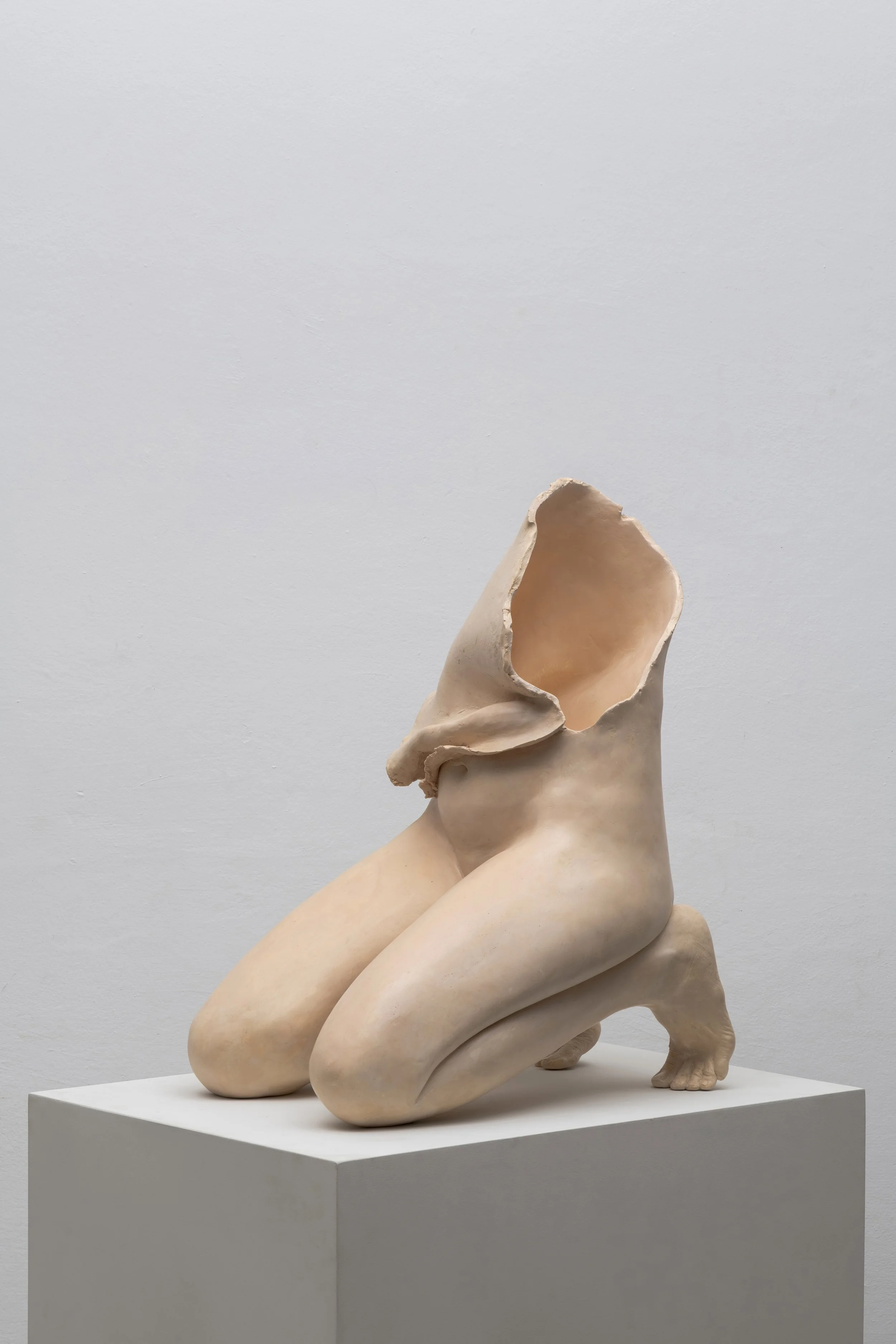
The human body sits at the centre of her practice, but it is rarely whole or alone. She began with quite figurative sculpture, interested in the fears, conflicts and psychological potential beneath the body's surface. Over time, those concerns spilled outward. Bodies began to merge with other bodies, and as fragility and permeability became more important to her, so did the relationship between humans and other forms of life.
She now thinks of the body less as a boundary between the self and the world than as "a kind of site of encounter," a shell, a habitat, something that can fragment and lose its wholeness, entangled with other living beings. "I think I used to look at what was inside the body," she says. "Today, I'm no longer sure where the boundary of the body ends." The reduction, multiplication, disruption and fragmentation of the body have all become ways of questioning what a body is.
On Chios
Her time in Chios, and in Kampos especially, left a deep impression. On the island, she says, growth and decay, abandonment and return, grandeur and ruin "seem to walk hand in hand." It made visible that time works not only on organic matter, but on places and landscapes too, which can grow, decay, be abandoned and sprout again, just like a body. That echoed her own interest in transformation and cycles.
She found a kinship with the exhibition's theme and with Akis's "sensitive curatorial approach," which shared a line of thought with her work while opening it in new directions. The garden, in particular, struck her as a rich idea: a space of both care and intervention, where someone is always deciding what may grow, what gets pruned, what is protected and what is left alone. It offered a way of thinking about the selective, regulating role humans play in relation to other forms of life.
Showing outdoors made all of this physical. Her work was no longer simply an object on display, but something sharing its surroundings with light, air, moisture, soil, plants and time. The experience made her more aware of how fragile the idea of an artwork as an autonomous object really is.
On the Studio as a Garden
Her days in the studio follow a certain rhythm, moving through cycles of planning, making, breaking and making again, alongside moments when she allows herself to let go completely. Some days call for silence and solitude, others for cleaning and order, others for making a mess or spending hours on retouching. The studio is where all of these states can exist.
Asked what would be in bloom if her practice were a garden, she loves the question. "I really do think, 'I wish my practice were a garden.'" Right now, she says, it would be full of new and untamed plants whose names she does not know yet, the kind of weeds that appear when the chemistry of the soil changes. She senses that this new growth may connect what already exists, creating relationships between things that once seemed separate.
At the same time, she would prune some of what has already taken root, so the new growth gets more light, and let other things rest or even decay. "What keeps a garden alive is not only what grows, but also what is able to give its place to something else." That, she says, is what she is focused on now: learning to hold what she already knows more lightly, so that something she cannot yet foresee has room to emerge.
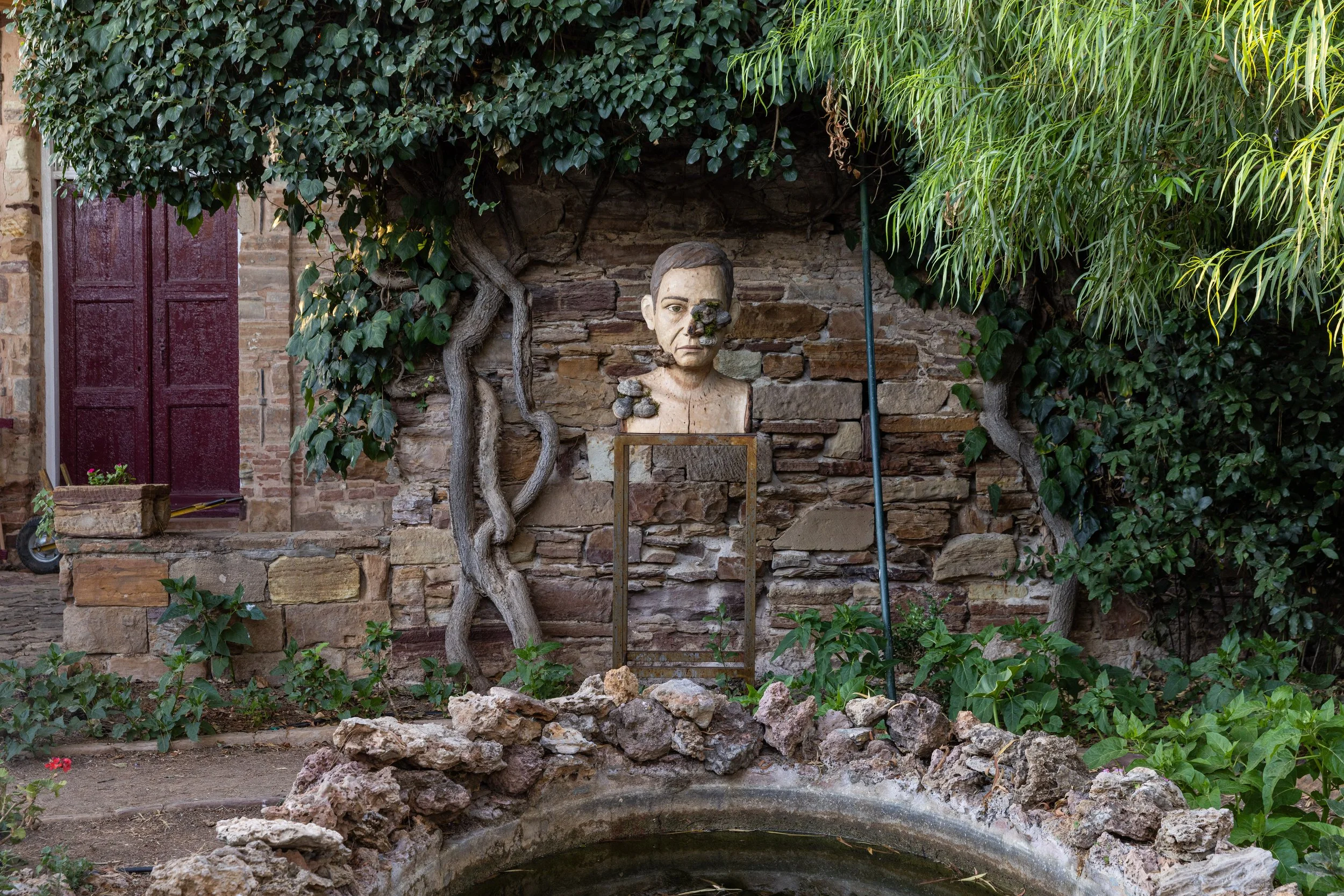
Images Courtesy of Yaşam Şaşmazer
