
Takreem at Fifteen: The Doors We Open
In Paris, the Takreem Foundation marked fifteen years of honoring Arab achievement with an evening built around one idea: nobody gets anywhere alone.
Written by Soraya
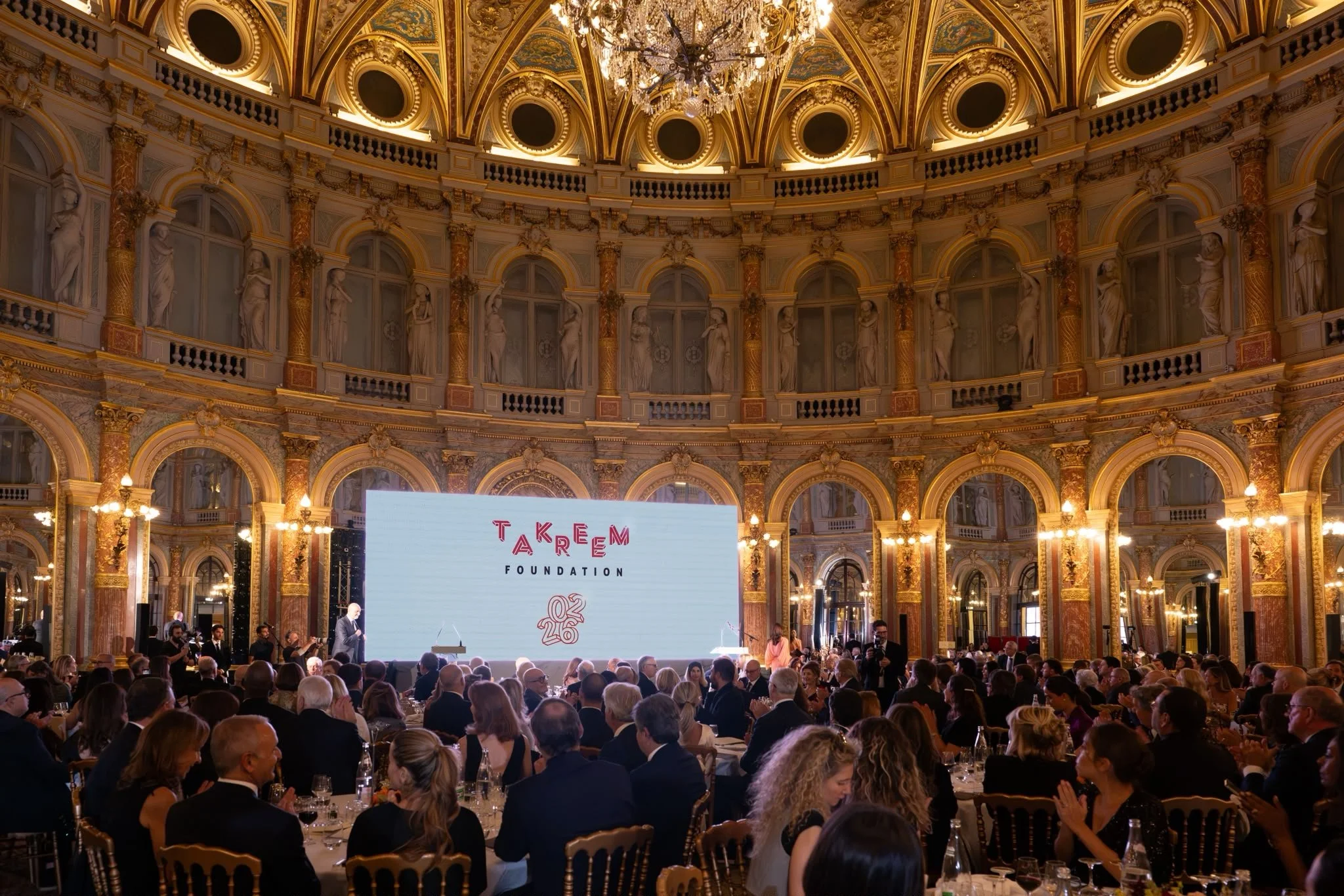
On 22 September, some 400 guests gathered in Paris for the fifteenth anniversary of the Takreem Foundation. They came from the Gulf, the Levant, North Africa, Europe and the Americas, and for one night the room held an unlikely mix: former French ministers beside Gulf royals, luxury executives beside painters, Lebanese MPs who had flown in for the occasion beside the laureates, trustees and friends who have carried the Foundation since its beginnings. Journalist and television presenter Ghida Fakhri hosted the evening.
On Fifteen Years of Tribute
Founded in 2010 by Ricardo Karam, Takreem (the word means "tribute" in Arabic) was never meant simply to honor distinguished individuals or reward achievement. Its purpose, above all, is to challenge the negative clichés and stereotypes too often attached to the Arab world. Each year, it recognizes exceptional journeys, success stories and changemakers whose accomplishments, commitment and impact help reshape perceptions and inspire younger generations, and society as a whole.
That vision is deliberately inclusive and universal. Takreem is free from political affiliation and makes no distinction based on geographical origin, religion or gender. What matters is merit, impact, and each person's ability to contribute to the advancement of society. Its awards have honored individuals and institutions across the Arab world and its diaspora, but the work has grown well beyond the stage. Over the years, the Foundation has supported humanitarian causes, helped children continue their education, assisted artists going through difficult times and built programs that connect established leaders with emerging talent. Fifteen years in, it reads less like an awards body and more like a community.
On Four Journeys
Four personalities were honored this year. Rodolphe Saadé, Chairman and CEO of CMA CGM Group, was recognized for his leadership in global business and international trade. Patrick Chalhoub received the Lifetime Achievement Award for a career that has shaped the luxury industry. Sheikha Paula Al Sabah, cultural patron and philanthropist, was honored for her commitment to cultural exchange and humanitarian work. Raja Sidawi, entrepreneur, publisher and pioneer of global energy intelligence, received the Legacy Award. Four very different paths, placed side by side on purpose: Arab success does not come in a single shape, and each of these journeys offers the world a different picture of what the Arab world is.
On Being That Person
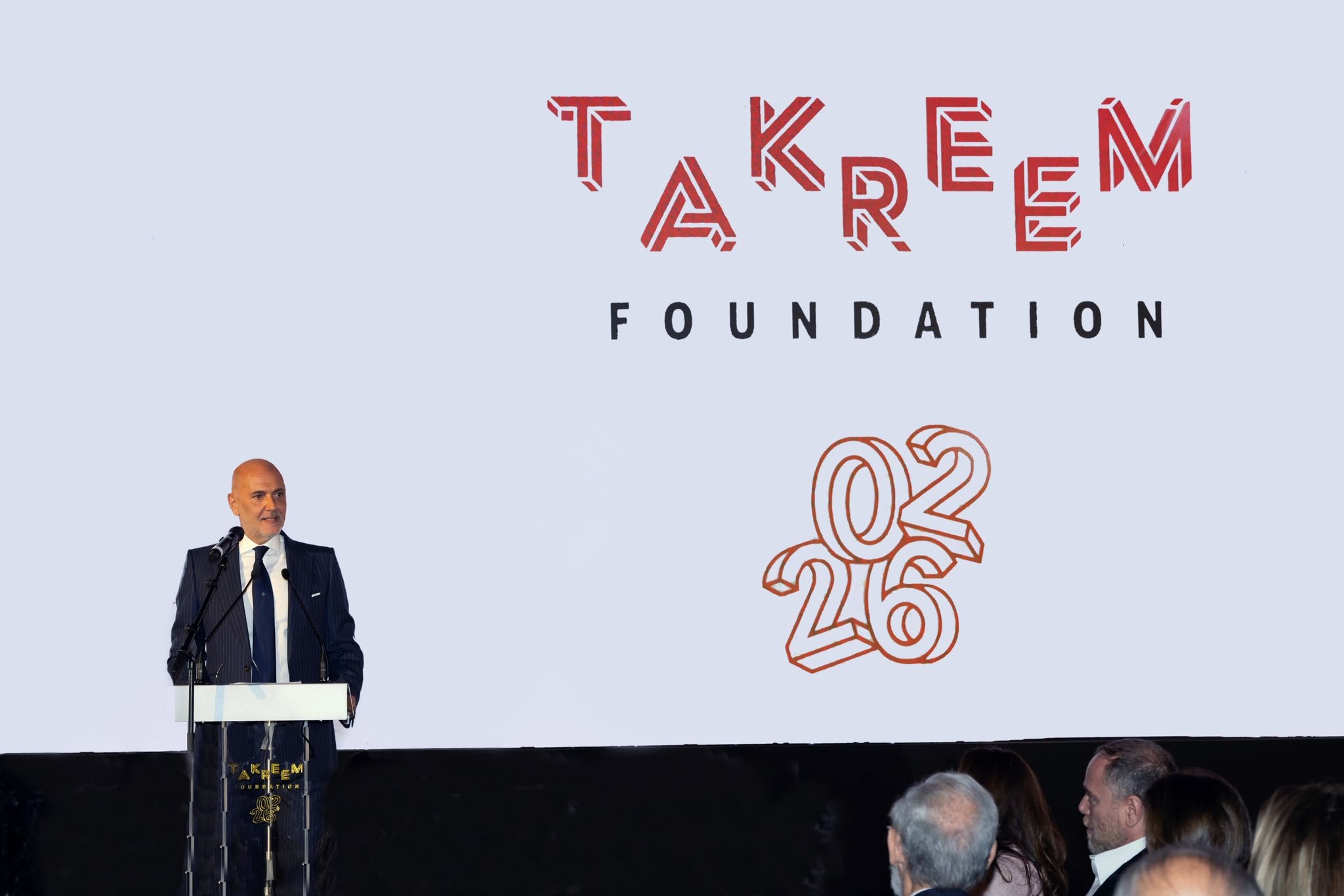
The heart of the evening was Karam's address. A broadcaster who has spent more than three decades listening to other people's stories, he spoke less about success than about what makes it possible.
"I have spent much of my life listening to people's stories. And if there is one thing I have learned, it is that no human being is entirely self-made. Somewhere along the way, someone believed in us. Someone gave us a chance. Someone opened a door. Tonight, I ask you to remember that person. And tomorrow, to be that person for someone else."
With war, polarization and humanitarian suffering never far from the room, he asked guests to answer with empathy rather than resignation. "We may not be able to stop every war or heal every wound. But we can fight indifference with empathy, confront hatred with love, and overcome division by building bridges." He closed with the line that best summed up the night: "We will not allow the world we live in to determine the humanity we carry within us."
On Art and Giving
Philanthropy sat at the center of the program through a charity auction organized with Christie's, held both in the room and online. Works by Nabil Nahas, himself among the guests, and Simone Fattal, whose exhibition Cities at the Bottom of a Lake is currently on view at the Musée d'Art Moderne de Paris, were offered alongside experiences such as a Kering experience at the Cannes Film Festival.
The evening supported two causes. The Association du Foyer de l'Enfant Libanais (AFEL), which celebrates its own fiftieth anniversary this year, has worked with vulnerable children and families in Lebanon since 1976, offering protection, education, care and family support to more than 10,000 children. The second, the Takreem Mentorship Program, pairs young professionals with the laureates and leaders of the Foundation's network. One protects children today; the other prepares the people who will open doors tomorrow.
On What Comes Next
The Paris gathering told a story of the Arab world that deserves to be heard more often, one of achievement, generosity and responsibility toward those coming next. That is the point. Takreem does not simply celebrate achievements; through them, it seeks to change perceptions, shift mindsets and open new horizons. The Foundation calls this anniversary the start of a new chapter.
For Naso, the evening felt close to home. A journal founded to tell the stories of Arab artists, and built on the belief that each generation grows through dialogue with the one before it, recognizes itself in what Takreem has been doing for fifteen years. In an issue devoted to bonds, Naso is proud to count itself part of the Takreem family, and the Foundation's mission will have its own page in Issue 4.
Words copyright of Naso Art Journal
Images courtesy of Takreem Foundation
