
Amman Design Week 2026: Studio Karmeh Spotlight
Written by Nayla
As part of Naso’s media partnership with Amman Design Week, we continue our coverage of this year’s edition with a closer look at Studio Karmeh, the Amman-based practice founded by Lubna Badran and Ernest Saqa. Bringing together architecture, craftsmanship and a close understanding of material, their work draws on the region’s traditions of making while developing a contemporary design language of its own. Naso spoke with the pair about their shared practice, the role of craft in their work and what they hope to explore next through the studio.
Can you tell us a little about yourselves and how you first found your way into design?
My name is Ernest Saqa, and I am the co-founder of Studio Karmeh, based in Amman, Jordan. My journey into the world of design was not something I had initially planned, rather it evolved naturally through the experiences and influences that shaped my life. I have always had a natural inclination towards the arts, and growing up around woodworking and joinery, with my father being a master craftsman, built in me an early appreciation for materials and the art of making. Meeting Lubna in 1999 brought these two worlds together. Through her design vision and my background in craftsmanship, we began our creative collaboration.
My name is Lubna, and I’m the co-founder of Studio Karmeh. Since childhood, I have always been curious about the world around me. I loved to look closely at things—their details, how they were made, and how they could become something different. Imagination was always a big part of my world, which naturally led me to architecture.
But my way of seeing design changed when I met Ernest and entered his workshop. Coming from architecture, I was used to beginning with an idea and developing it through drawings. In the workshop, I learned to begin with the material—to understand it, respect it, and let it guide the process.
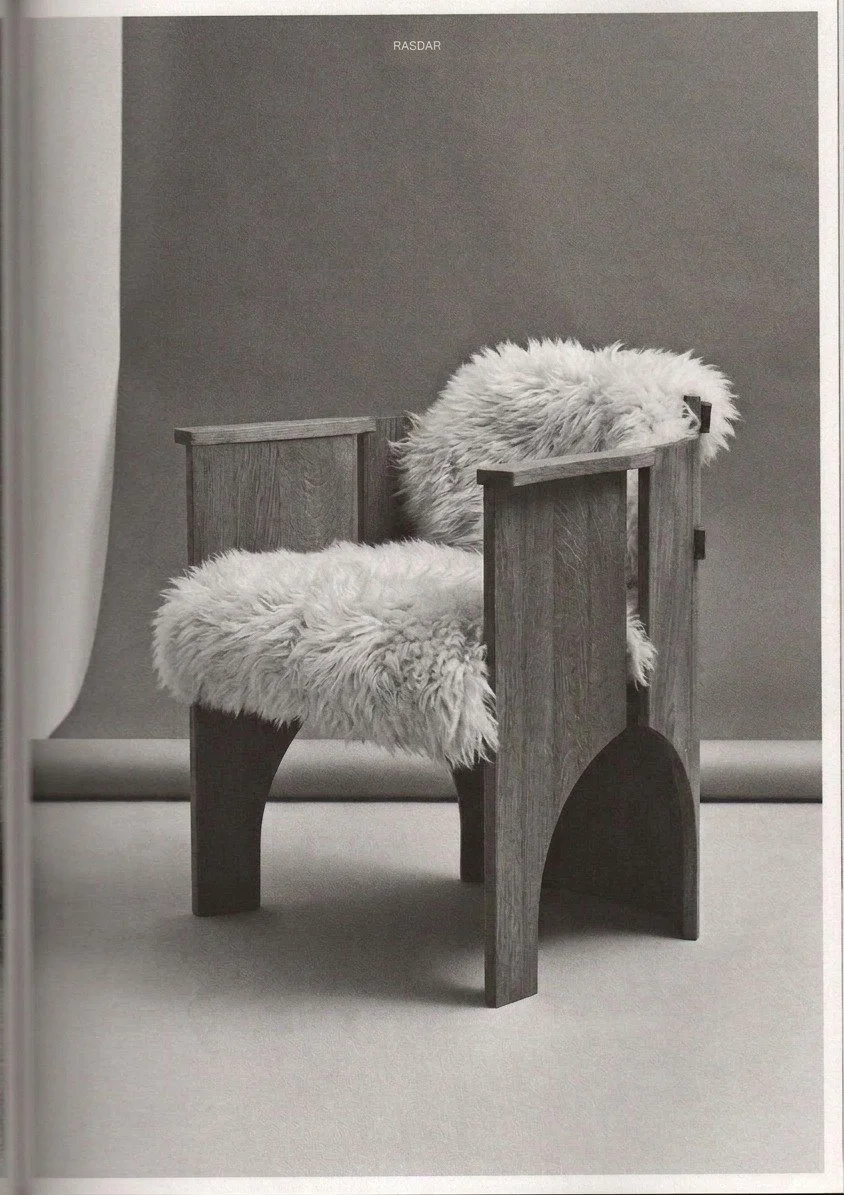
Rasdar Armchair - Image Courtesy of Studi Karmeh (Past Work)
How did Studio Karmeh begin, and how has the studio developed since then?
Our journey began with a chance meeting at the National Music Conservatory, where we discovered a shared appreciation for the cultural richness of our region and a common desire to translate it into contemporary forms. We began working together, merging our two perspectives; architectural thinking and the understanding of craftsmanship.
Over the years, our approach has continued to evolve. We have gradually moved towards simpler, forms, while developing a deeper appreciation of our regional identity and its cultural roots. At the same time, our process has become less conceptual and more hands-on, bringing us closer to the essence of what we do, where design and craftsmanship are increasingly inseparable.
What has shaped the way you think about design and making today?
I think much of the way we approach design comes from having always been close to the process of making, being directly involved in it has given us a deeper understanding of materials, their qualities and limitations, and the ways in which these influence our design decisions. We have also been shaped by growing up and working in Amman, a place where traditional building techniques and craftsmanship remain very much alive. Being surrounded by this rich culture of making has naturally influenced our values and strengthened our appreciation for craftsmanship.
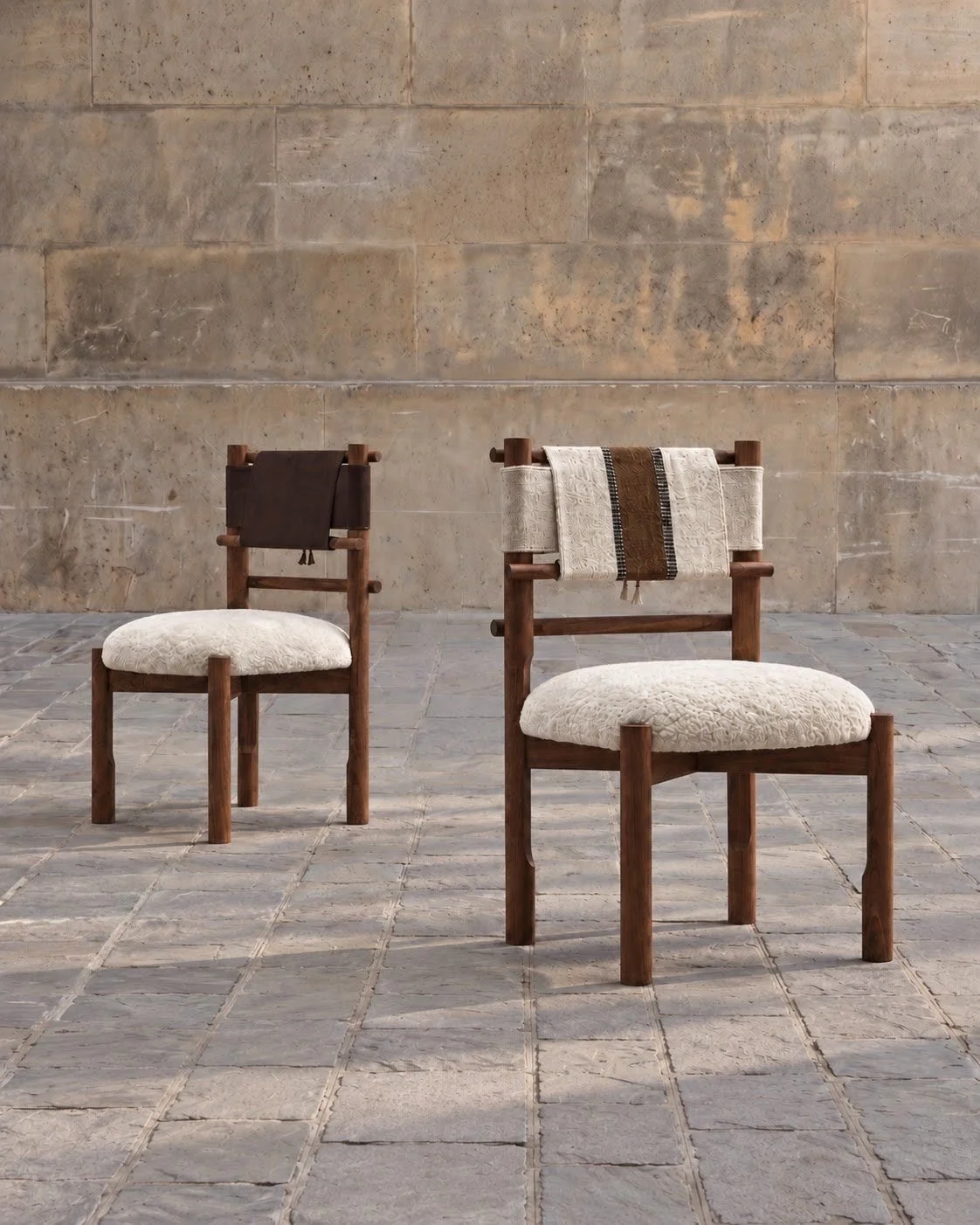
Karam Dining chair - Image Courtesy of Studi Karmeh (Past Work)
How did your working relationship begin, and how do the two of you approach developing a new piece together?
As we got to know each other following our encounter at the Music Conservatory, we gradually discovered how naturally our backgrounds and perspectives complemented one another. Lubna’s architectural background and my experience in craftsmanship created an interesting dynamic that laid the foundation for our collaboration, which has since evolved into a lifelong creative partnership. Over the years, we have learned a great deal from each other, and that exchange continues to shape the way we think, design and make.
For us, developing a new piece begins with a shared desire to create and to be actively involved in the creative process. Ideas often emerge spontaneously through conversations and observations, and we enjoy sharing and exploring them together, we then take these ideas directly into the workshop, where we experiment, test and explore their possibilities. We allow the process of making to guide the development of the piece, often revealing unexpected directions and solutions along the way.
What role does craftsmanship play in your work, and what does the process of working with craftspeople look like from the first idea to the finished piece?
Craftsmanship is an inseparable part of our work. It represents a deep and personal connection with the materials we work with, giving our pieces character, depth and, most importantly, a sense of warmth—a quality we feel is increasingly rare in today's design world.
We place great value on our collaboration with craftspeople, whose experience and understanding of materials bring a practical perspective to the design process, which often reveals possibilities or limitations that may not be apparent at the initial design stage.
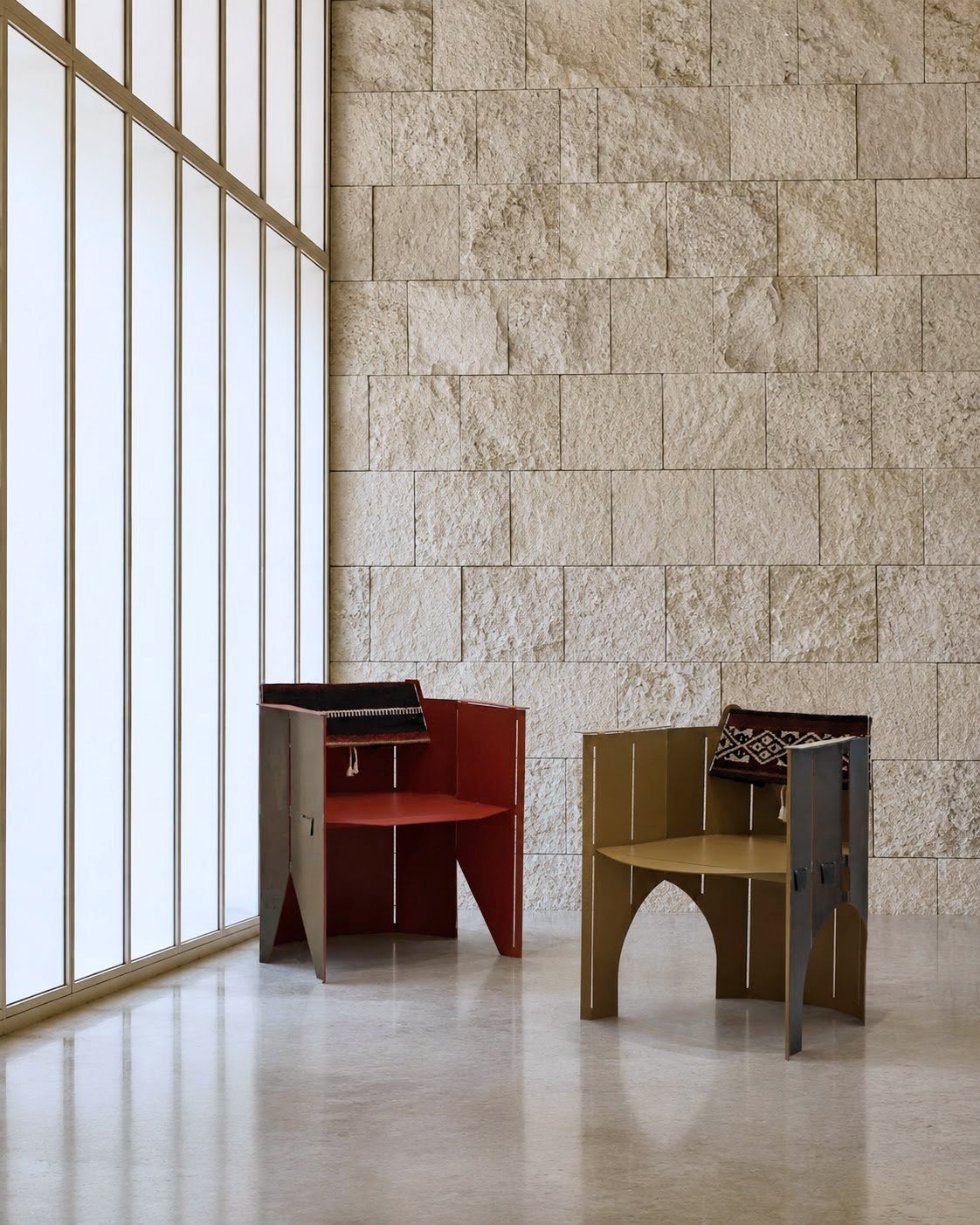
Jafra & Kenan special edition - Image Courtesy of Studio Karmeh
How do you approach traditional forms and references from the region within your work?
Our relationship with traditional forms and references is based on reinterpretation rather than reproduction, the idea is not to recreate traditional forms or rely on folkloric references, but to draw inspiration from them and translating them into a contemporary design expression.
Ultimately, we aim to create pieces that carry a sense of belonging and reflect the character of our region, while maintaining simplicity and clarity that allows them to resonate beyond their cultural origins. For us, it is about creating something contemporary that is rooted in its place, without being confined by it.
What did your experience with the HANDS project teach you about craft practices in the region and the knowledge being passed between generations?
Our experience with the HANDS project gave us a deeper appreciation of the richness of traditional craft practices in Jordan and Syria. It was an opportunity to highlight the importance of connecting traditional craftsmanship with contemporary design. We believe that preserving craft does not mean keeping it unchanged or limiting it to its original applications, but about allowing these practices to remain relevant by introducing new perspectives, and exploring ways in which traditional skills can respond to contemporary need.
What are you most interested in exploring next through Studio Karmeh?
What interests us most at this stage is the opportunity to continue exploring and expanding our design language while remaining true to the values that have shaped us. We would like Studio Karmeh to remain an evolving practice, one that is open to experimentation, collaboration and continuous learning.
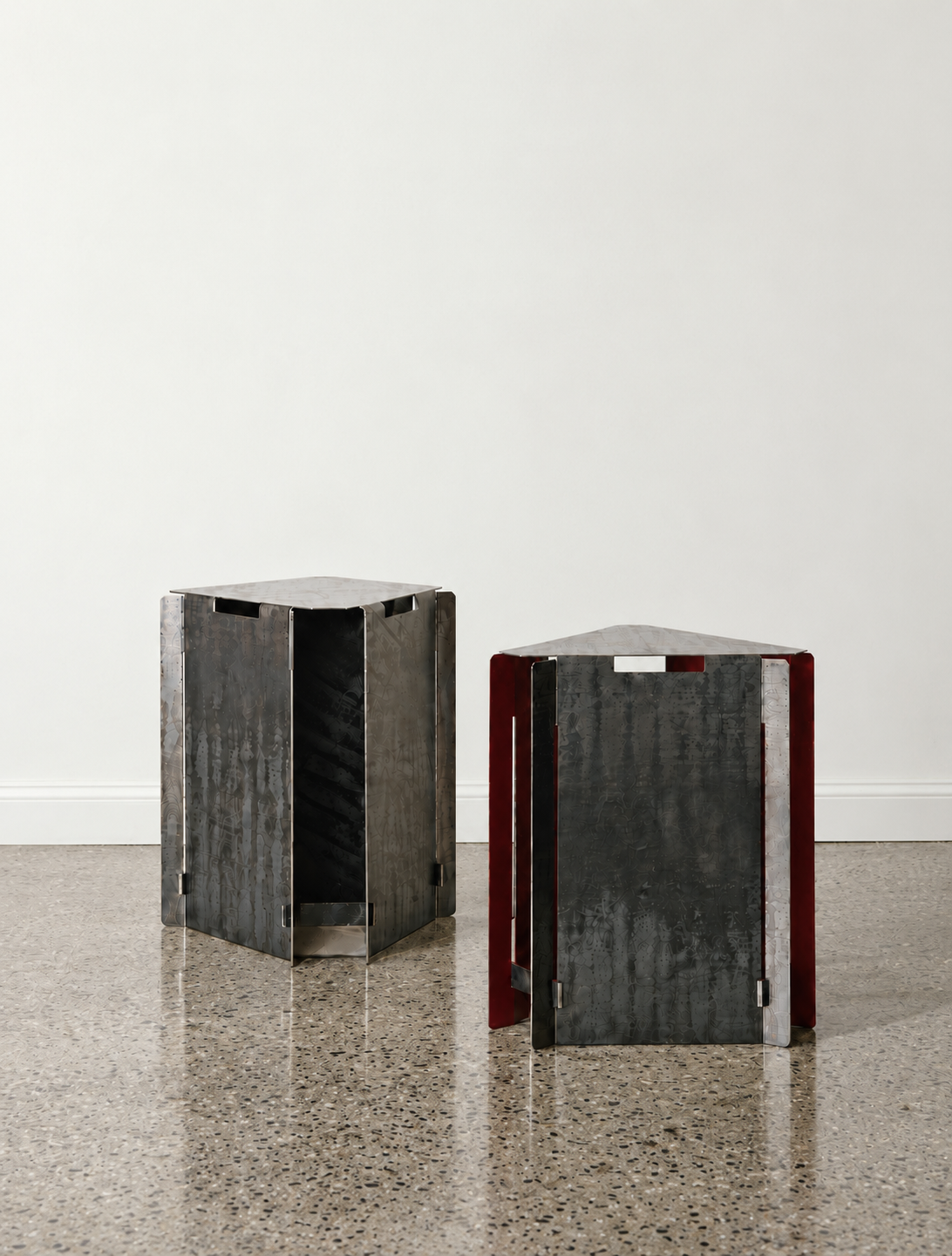
ADW special edition - Side Table (Image Courtesy of Studio Karmeh)
Images Courtesy of Studio Karmeh
Words copyright Naso Art Journal
