Who the Canon Forgot: Sameeha Rajab and the Work of Remembering
Editor’s note
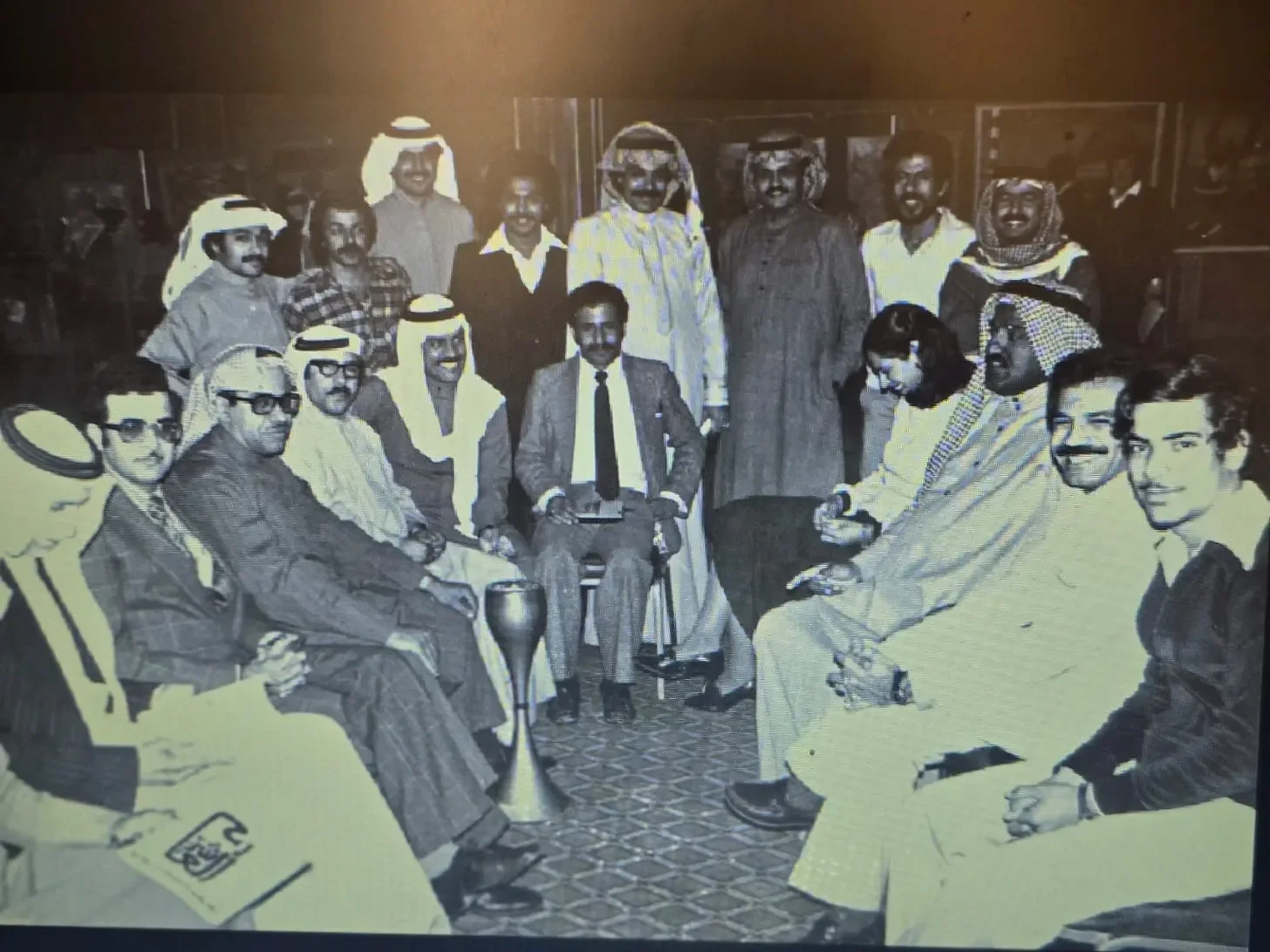
At Naso Art Journal, our commitment to MENA art history is not only to celebrate what is visible, but to return to what has been quietly sidelined. The modern art histories of the Gulf, particularly those shaped by women, remain fragmented, under-archived, and too often summarized rather than studied. Doing this work matters because absence shapes canon. To write, research, and re-present artists like Sameeha Rajab is part of that ongoing effort to restore depth, context, and intellectual seriousness to figures whose contributions were foundational, yet insufficiently theorized. Many thanks to Forat Haider, founder of Forat Gallery for providing original imagery and information pertaining to the artist. We hope this feature serves not as a conclusion, but as a point of continuation - an invitation to further research, dialogue, and archival attention.
In Collaboration with Forat gallery, image courtesy.
Words by Soraya. Copyright Naso Art Journal.
Beyond Firsts: Rethinking Pioneership
Sameeha Rajab is often introduced through the language of firsts: among the earliest Bahraini women to receive formal academic training in painting; a founding member of the Bahrain Contemporary Art Society; an early participant in major Arab biennials. While historically accurate, this framing risks flattening her practice into a checklist of milestones.
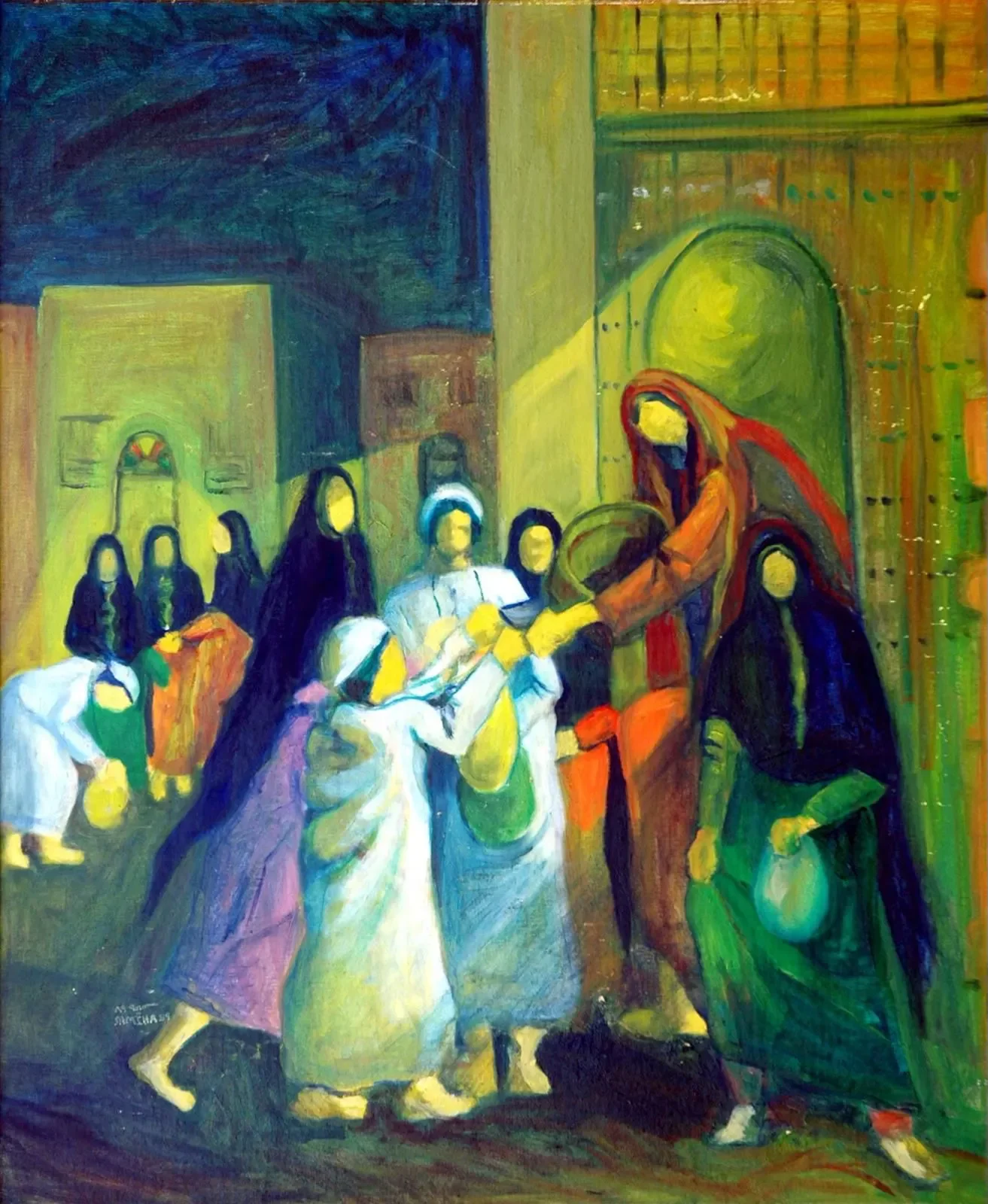
What is more compelling, and more necessary, is to understand Rajab as a structural figure. Her work did not merely appear within the Gulfs modern art movement; it helped give that movement its visual grammar. Trained in Baghdad in the late 1970s, she absorbed a rigorous academic foundation at a time when Iraqi art education emphasized both classical discipline and ideological seriousness. This grounding remained visible throughout her career: in her command of composition, her measured approach to figuration, and her refusal of ornamental excess.
Baghdad to Manama: A Circulation of Modernisms
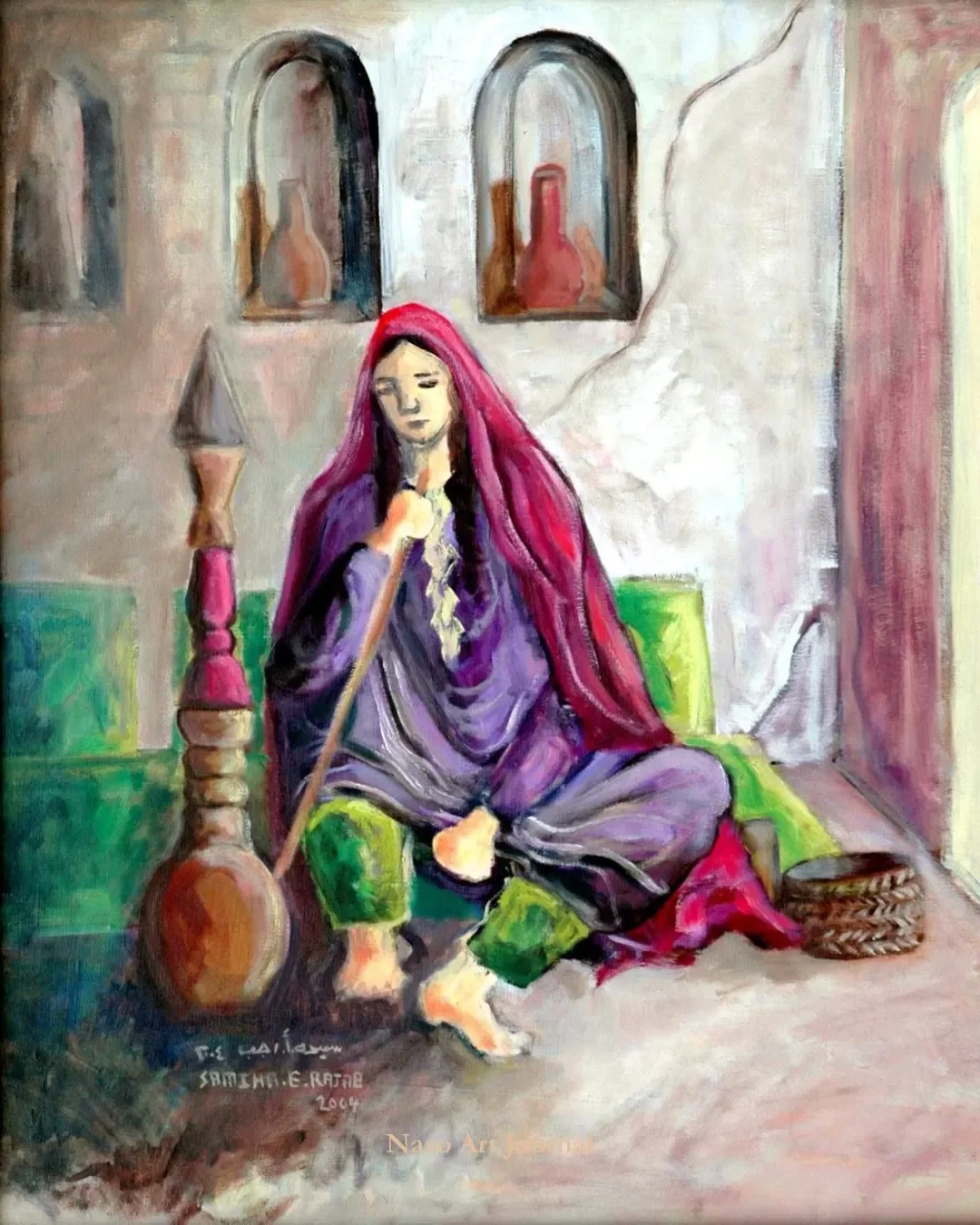
Rajab’s education at the University of Baghdad situates her within a broader Arab modernist circuit that is often overlooked in Gulf-centric narratives. Baghdad in the 1970s was not peripheral - it was a critical intellectual hub where debates about realism, abstraction, and cultural specificity were actively unfolding.
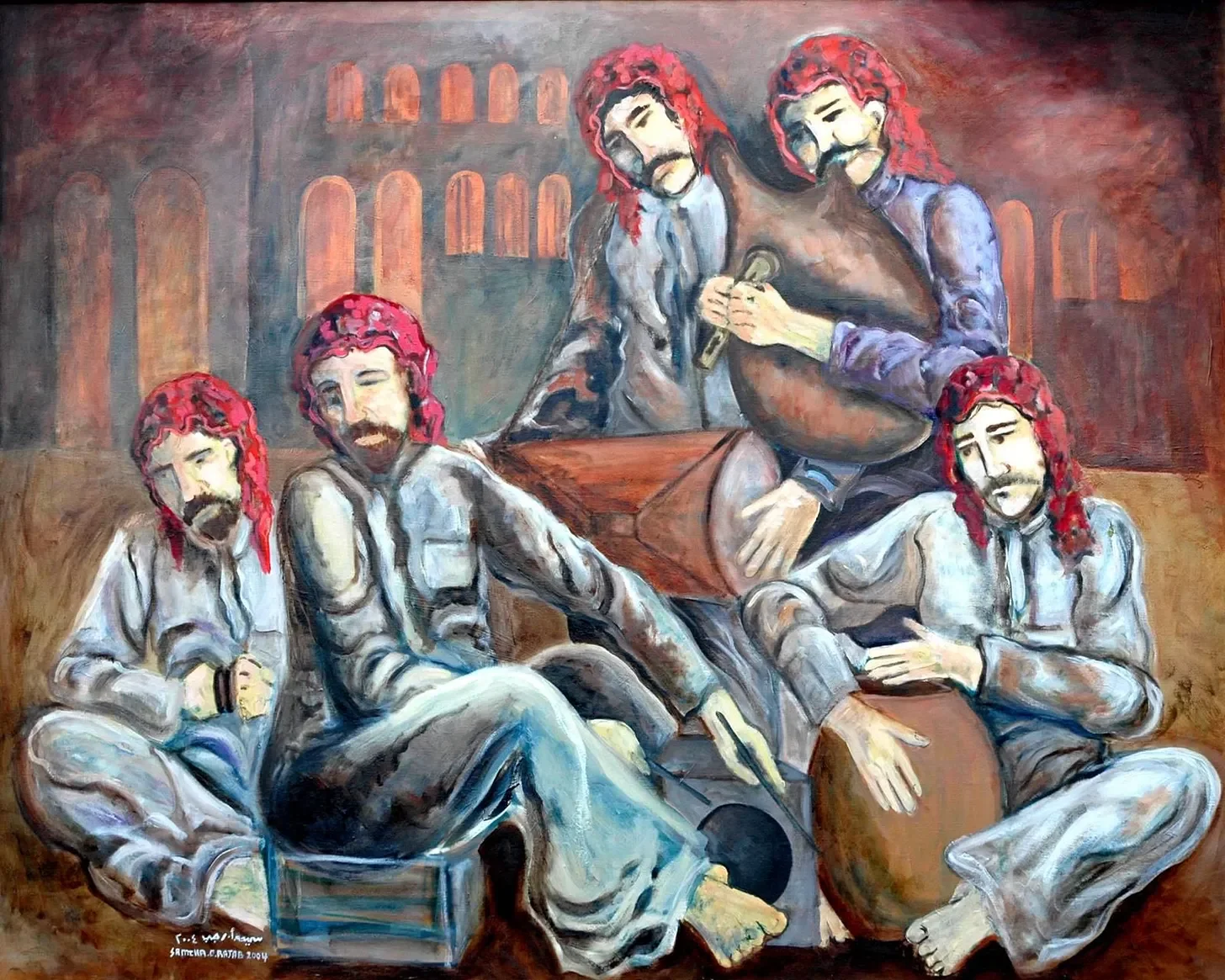
When Rajab returned to Bahrain, she carried with her a sensibility shaped by this environment. Her paintings resist spectacle. Instead, they dwell on internal rhythm, tonal balance, and social presence. Figures (often women) are rendered with restraint, as if emerging from memory rather than observation. Space is compressed, backgrounds subdued, gestures economical.
Teaching and Mentorship
From the late 1980s into the mid-1990s, Rajab lived and worked in Abu Dhabi, where her influence extended well beyond her own studio practice. Teaching, organizing exhibitions, and mentoring young women artists, she became part of the infrastructural backbone of a still-forming art scene.
This labor - educational, organizational, emotional - is rarely granted the same historical weight as exhibitions or prizes. Yet for women artists in the Gulf, such work was often inseparable from practice itself. Rajab’s role in cultivating access and confidence for younger artists represents a form of authorship that exceeds the canvas.
Late Work and Interior Time
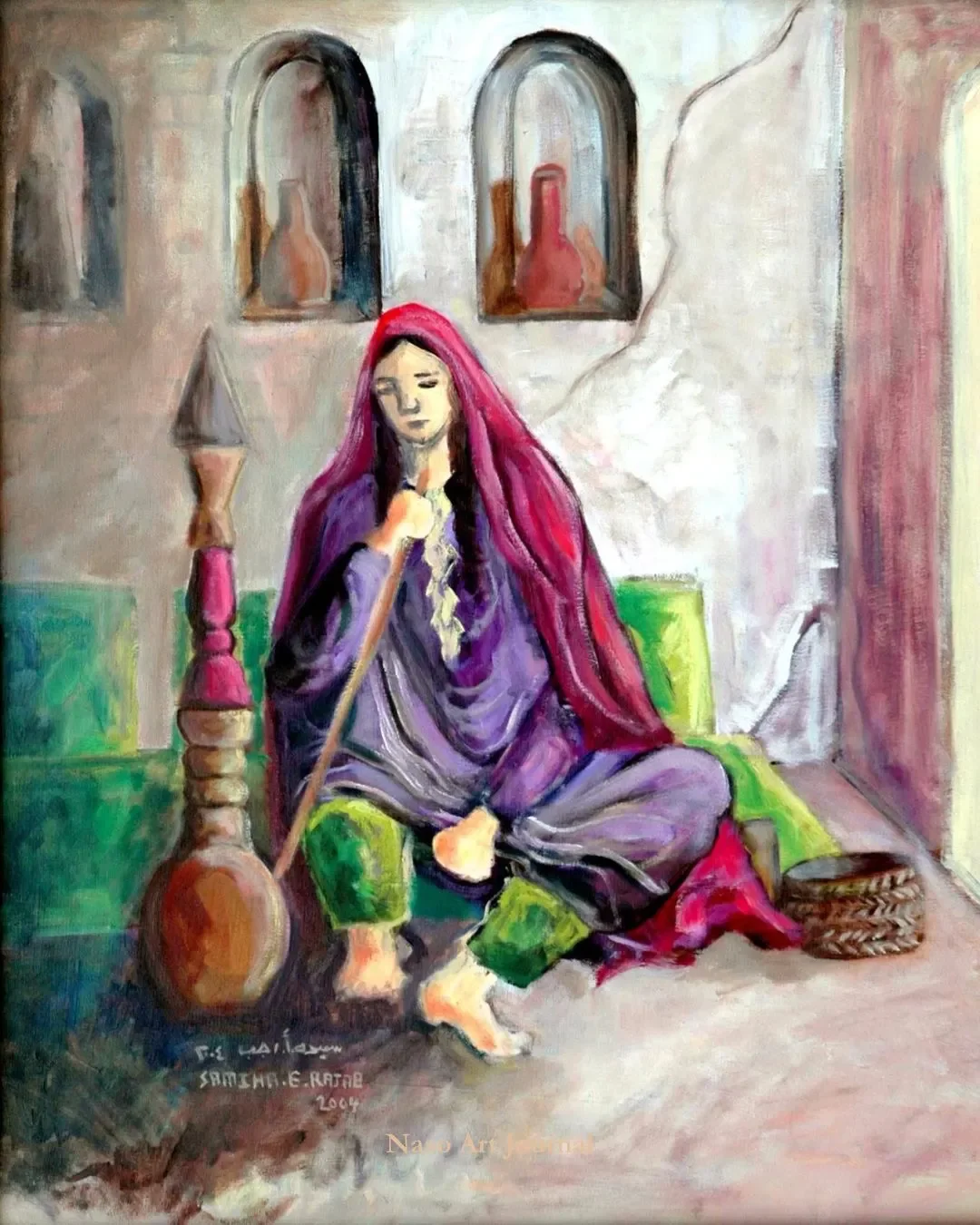
In the later period of her production, Rajab’s palette shifted decisively. Dark chromatic tones, heavy shadows, and stark contrasts came to dominate her compositions. This was not a stylistic accident, nor a simple melancholic turn.
These works suggest an inward reorientation - a painting of interior time rather than external environment. The darkness is not decorative; it is structural. Figures appear weighed down by atmosphere, forms recede into shadow, and color becomes emotional architecture rather than surface effect.
Seen in retrospect, these paintings feel prophetic. Rajab passed away in 2013, but her late works resist biographical sentimentality. They do not narrate decline; they insist on depth.
Why Sameeha Rajab Matters Now
Today, Rajab’s works reside in collections such as the Barjeel Art Foundation and the Bahrain National Museum, yet her name remains insufficiently theorized within broader narratives of Arab modernism. This gap is not incidental. It reflects how women’s practices, particularly those rooted in quiet rigor rather than radical gesture, are often archived without interpretation.
Revisiting Sameeha Rajab now allows us to ask better questions about Gulf modernism:
Who shaped its visual language?
Whose labor sustained its institutions?
And what forms of depth have been mistaken for silence?