
Written by Kalina
This year’s edition
The 16th Dakar Biennale runs from 19 November to 19 December 2026. It opens on Thursday with the international exhibition, known as the IN, at the former Palais de Justice. Fifty-four visual artists from about twenty countries are in the international selection. There is also a design section with 22 proposals and three special invitation, which include a tribute to the late Senegalese artist Ngoor, a carte blanche to Serigne Mbaye Camara, and the Moroccan artist Faouzi Laatiris as Grand Témoin. The Democratic Republic of Congo is the guest of honour. Morad Montazami, curator and art historian, is the artistic director.
Background
The biennale was set up by the Senegalese state in 1989, and it is the oldest continuing contemporary art biennale in Africa. Its first edition (1990) was dedicated to literature. In 1992, contemporary art entered the picture, which later led to devotion to contemporary African art.
(Anti)fragility
The title is (Anti)fragility: Arts of Repair and Strategies of Rebound. The idea comes from Nassim Nicholas Taleb. He wrote about the idea of things getting stronger under stress instead of just surviving it. Morad Montazami applies it to art at the biennale. The artists may start from error, accident, lack, or treat fragility as something to work with. Together, they explore how artists and communities across Africa transform ecological, economic, social, and political shocks into creative force, repair or solidarity.
Participating Artists from the Arab world
Fatiha Zemmouri (Morocco) works between Casablanca and Marrakech, with clay, charcoal, paper, earth and water. Her sculptures and installations are built from forms shaped by repetition and pressure. She has said that she is interested in how a material changes, erodes and regrows.
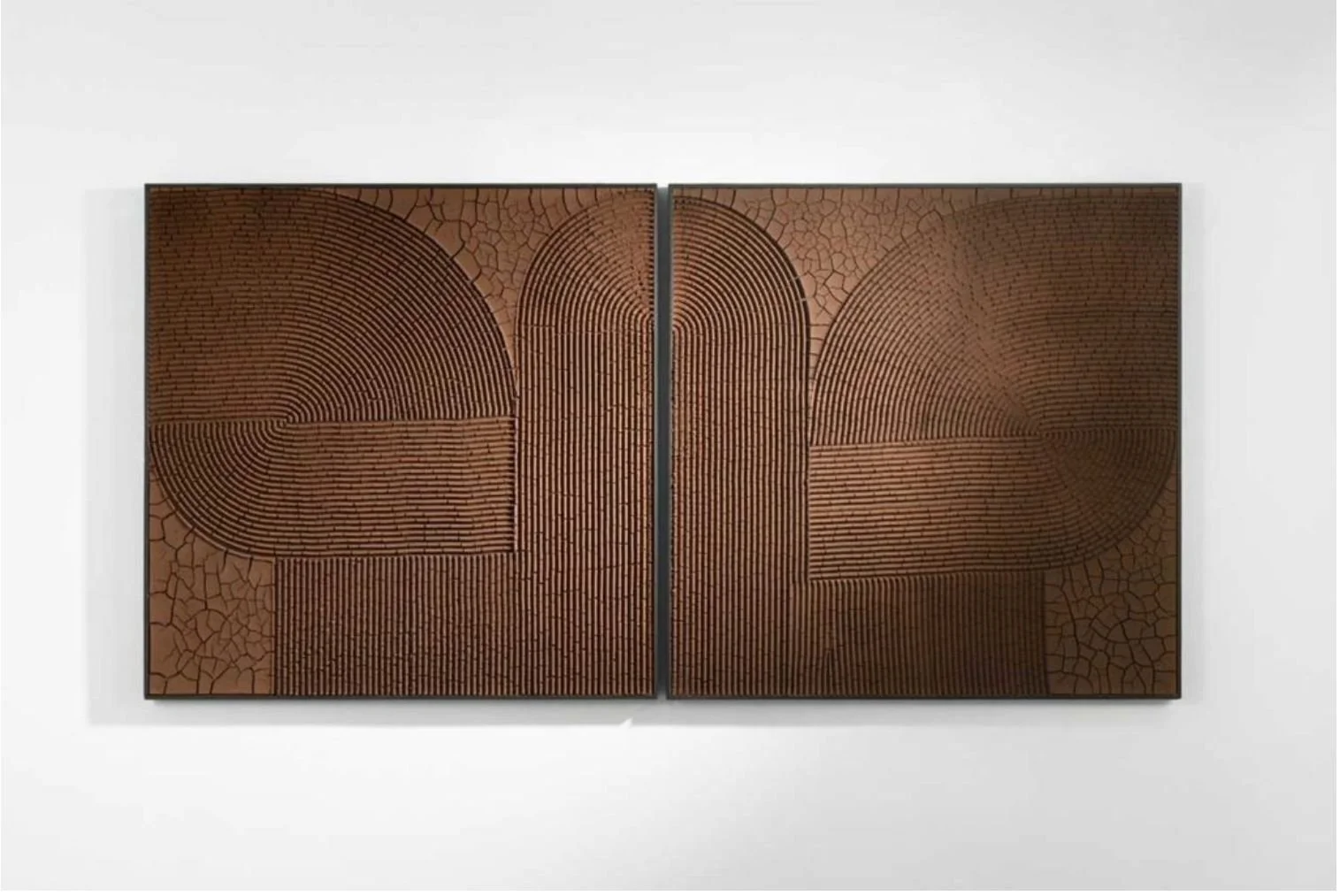
Fatiha Zemmouri,Ecoumène, 2022, Courtesy of the artist and Comptoir des Mines Galerie
Safaa Erruas (Morocco) is born in Tétouan in 1976, she still lives and works there. White is central to her work, and she uses needles, pins, razor blades, thread, gauze and glass. The materials are delicate, and the pieces often suggest an absent or vulnerable body.
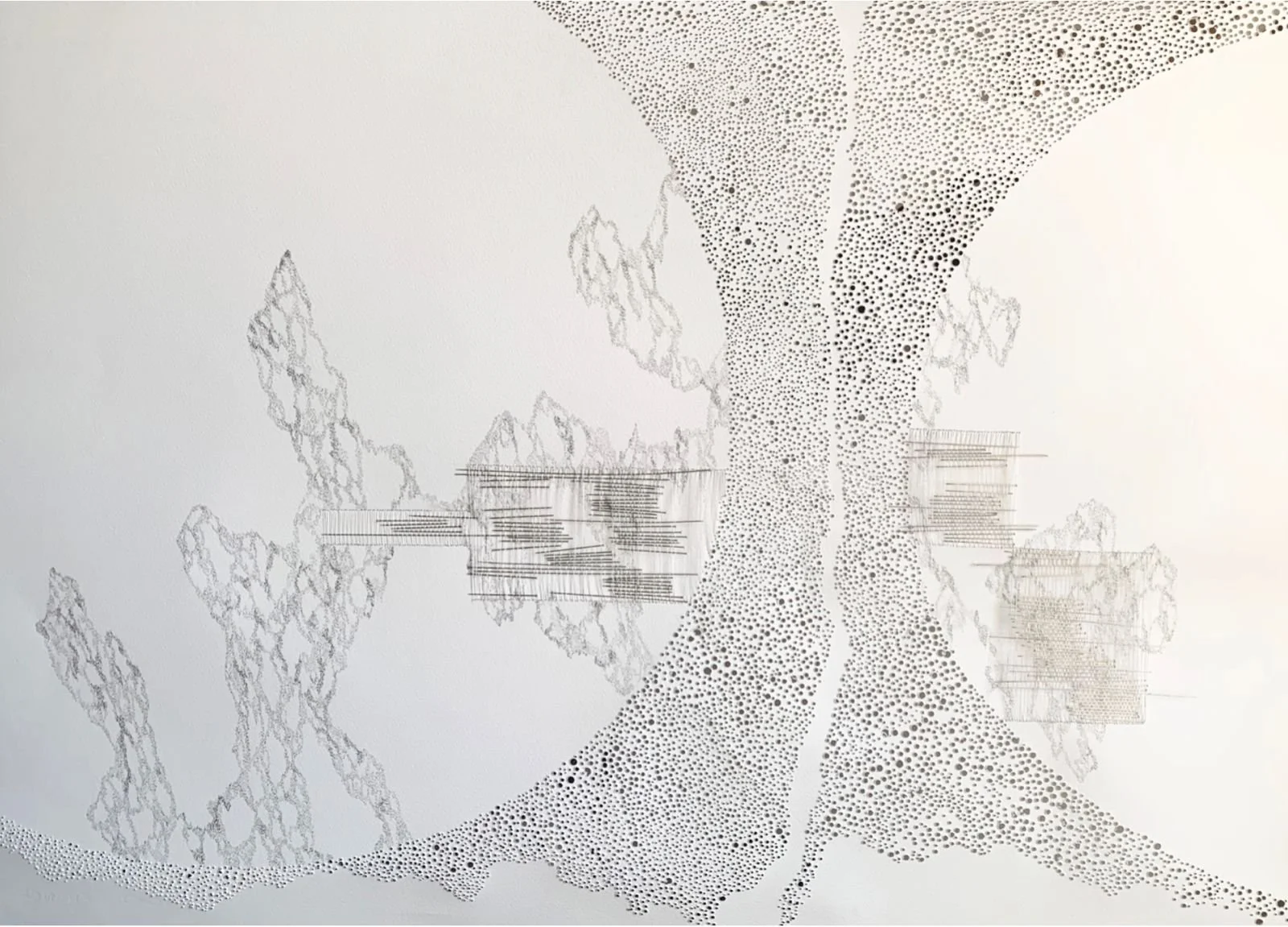
Safâa Erruas, 2025
© The artist and Galerie Dominique Fiat, Paris
Mohammed Laouli (Morocco) lives between Marseille, Stuttgart and Salé. His work looks at power, exile and social exclusion. He uses video, sculpture, photography, drawing and painting.
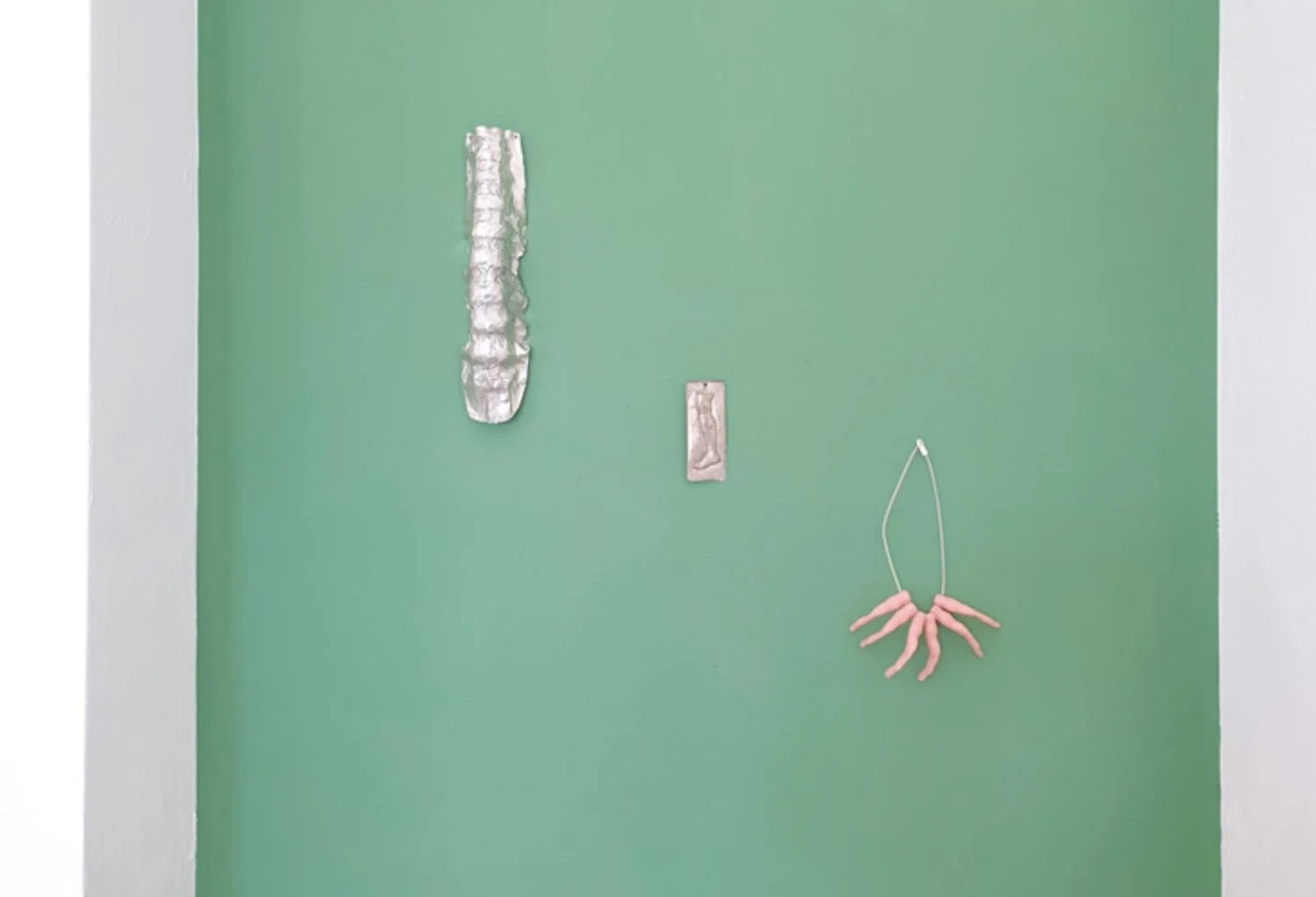
Mohammed Laouli, Le membre fantôme 2019, courtesy of the artist and Documents d'artistes Provence-Alpes-Côte d'Azur
M’Barek Bouhchichi (Morocco) is born in 1975 in Akka, and lives in Tahannaout. His work looks at how the Black body is represented and seen in Moroccan society, using hands, faces, imprints and fragments.
Ismaïl Bahri (Tunisia) is born in Tunis in 1978. He lives between Tunis and Paris. He works with video, drawing, sculpture and sound, and sets up simple experiments with air, light or vibration to make small things visible.
Souad Abdelrasoul (Egypt) is born in 1974, and she lives and works in Cairo. She has a PhD in modern art history and works across drawing, painting, sculpture and design. Her figures change shape, and she uses them to explore the link between people and the earth, metals and plants around them. She also designs book covers and children’s books.
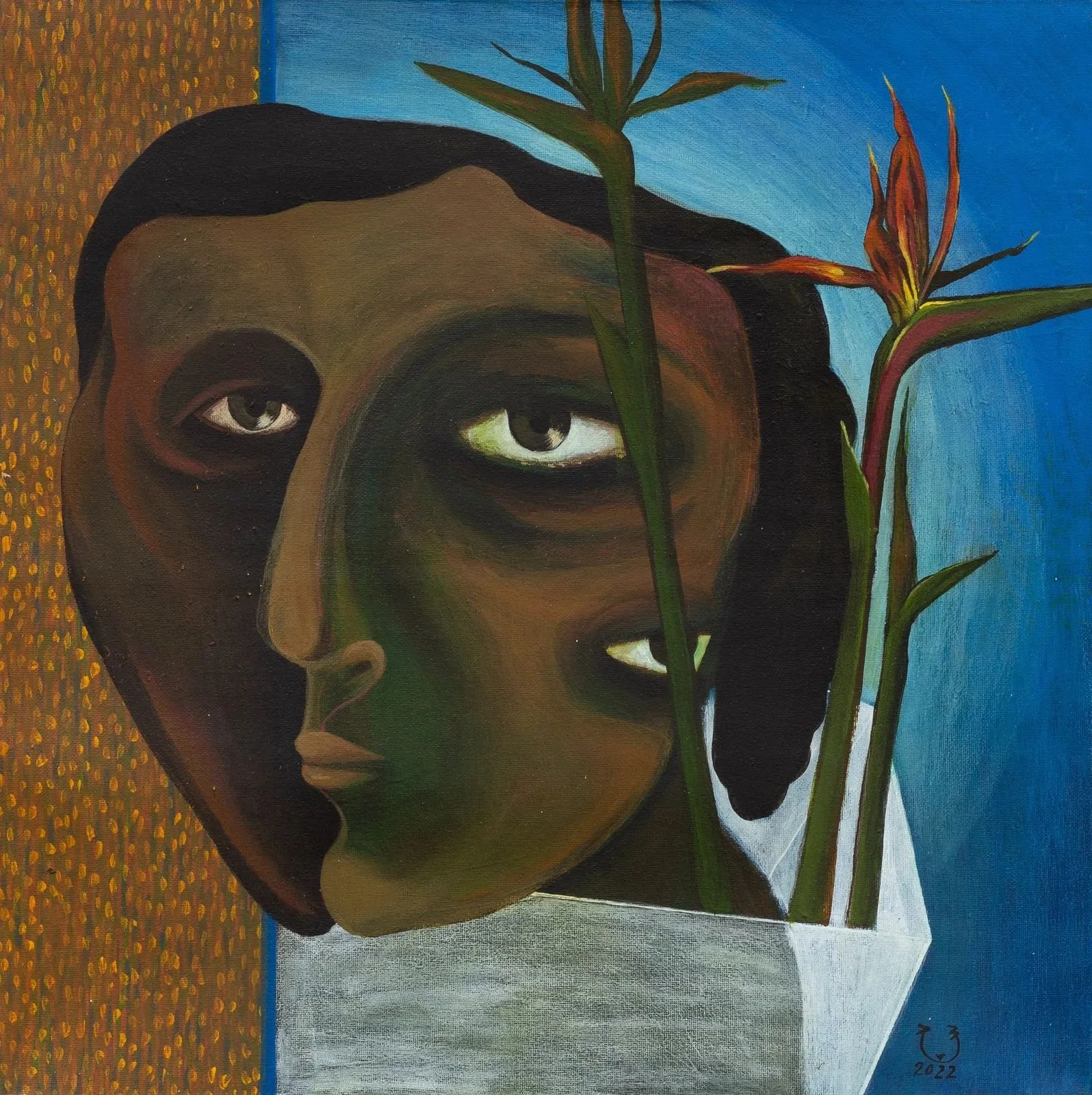
Bird of Paradise, 2022
SOUAD ABDELRASSOUL ; courtesy of the artist and Circle Art Gallery
