
Europe’s Blind Spot
Why the MENA Art Still Sits Outside the Room
Europe likes to think of itself as the center of global art conversation. Yet when it comes to the Middle Eastern and North African (MENA) art market, the conversation often feels staged rather than lived. MENA artists are invited in, but rarely allowed to rearrange the furniture.
Across London, Paris, Berlin, and beyond, MENA art tends to appear in cycles of attention: thematic exhibitions tethered to geopolitics, moments of urgency prompted by conflict, or market-driven spotlights when a few names gain auction traction. What’s missing is continuity. Too often, MENA art is framed as a regional “add-on” rather than as a force that actively reshapes how contemporary art histories and markets are written.
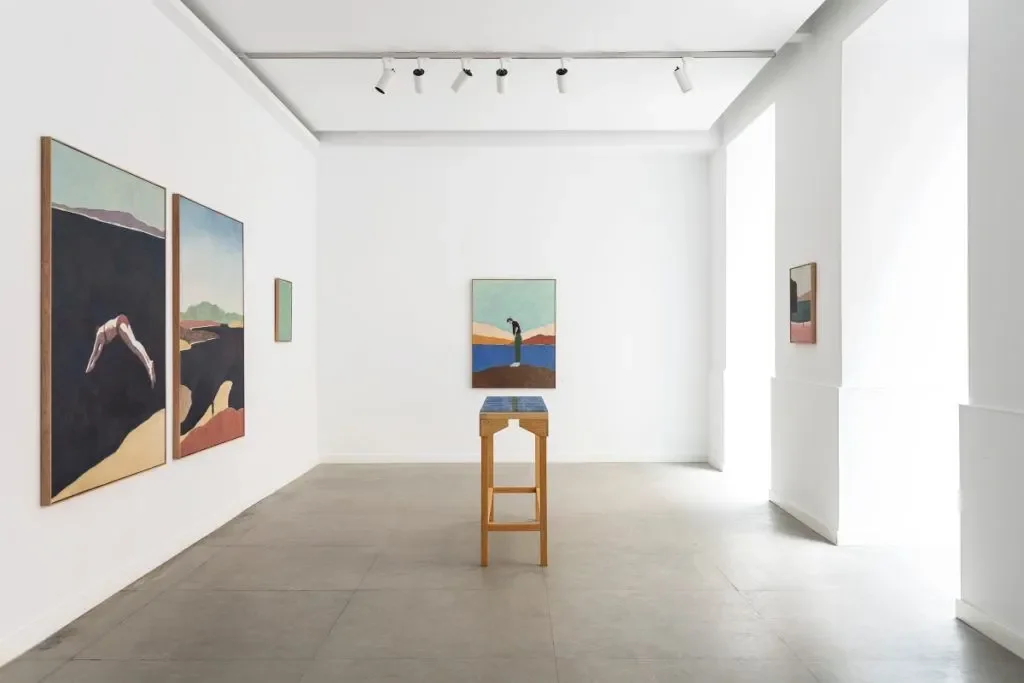
Courtesy of Alzueta Gallery, Madrid
Part of the problem lies in how European institutions and galleries engage. Representation frequently stops at visibility. A gallery may show an artist from Beirut or Casablanca, but without sustained curatorial dialogue, contextual writing, or long-term investment, the work floats free of its intellectual ecosystems. The result is a flattening: MENA art is consumed aesthetically while its critical lineages, internal debates, and market infrastructures remain sidelined.
There is also a persistent asymmetry of authority. Validation still flows westward. European galleries and collectors decide which MENA practices are “legible” to Western audiences - often privileging work that mirrors familiar conceptual languages. This narrows the market and discourages risk, leaving entire scenes - from Khartoum to Baghdad - underdeveloped in European consciousness.
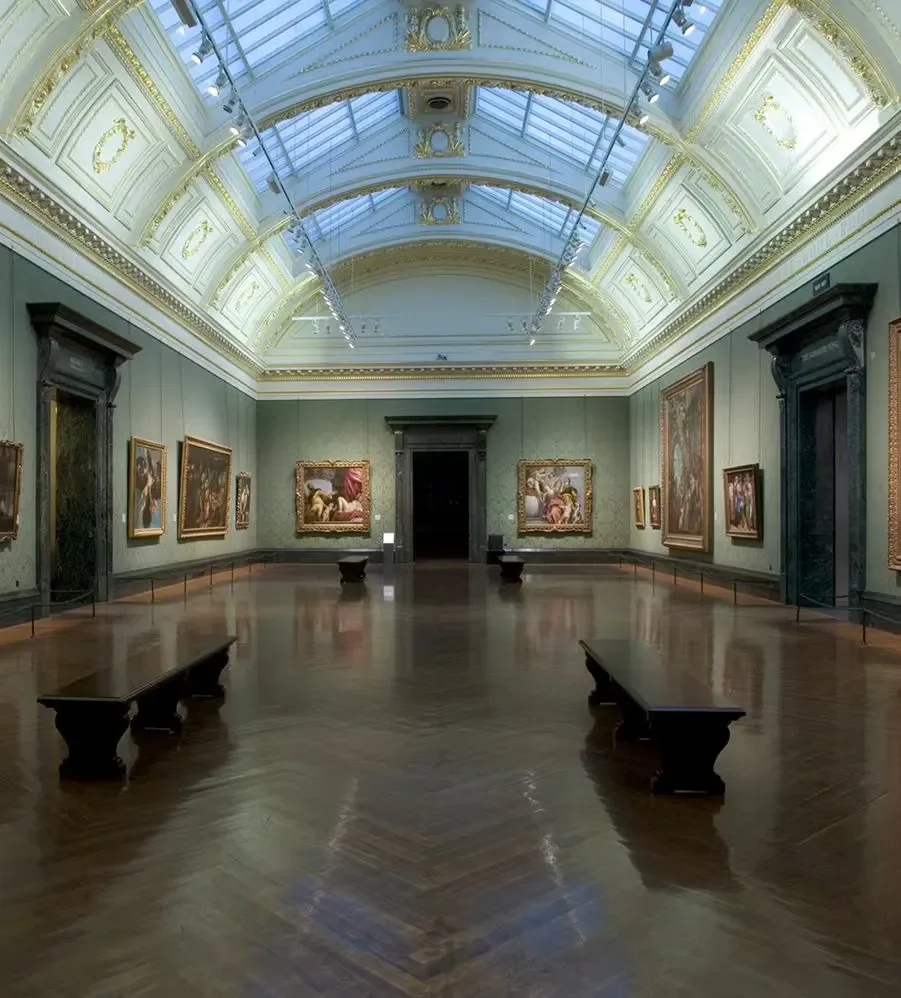
Courtesy of the National Gallery, London
Solutions begin with shifting from extraction to exchange. European galleries need deeper, structural partnerships with MENA-based institutions, galleries, and independent curators - not just shipping artists north, but co-developing programs, publications, and collector education across regions. Market conversations should include pricing transparency, shared collector bases, and reciprocal fair participation, rather than one-way access to European capital.
Curatorially, the work must be embedded, not exoticized. MENA artists should be placed in dialogue with global peers outside of regional framing - while still allowing space for specificity when it matters. This requires hiring more MENA voices in decision-making roles: advisors, directors, writers, and fair committees who can complicate the narrative from within.
If Europe truly wants a global art market, it has to let MENA art do more than enter the room. It has to let it speak, argue, and occasionally make things uncomfortable. Only then does a market become a conversation rather than a showcase.
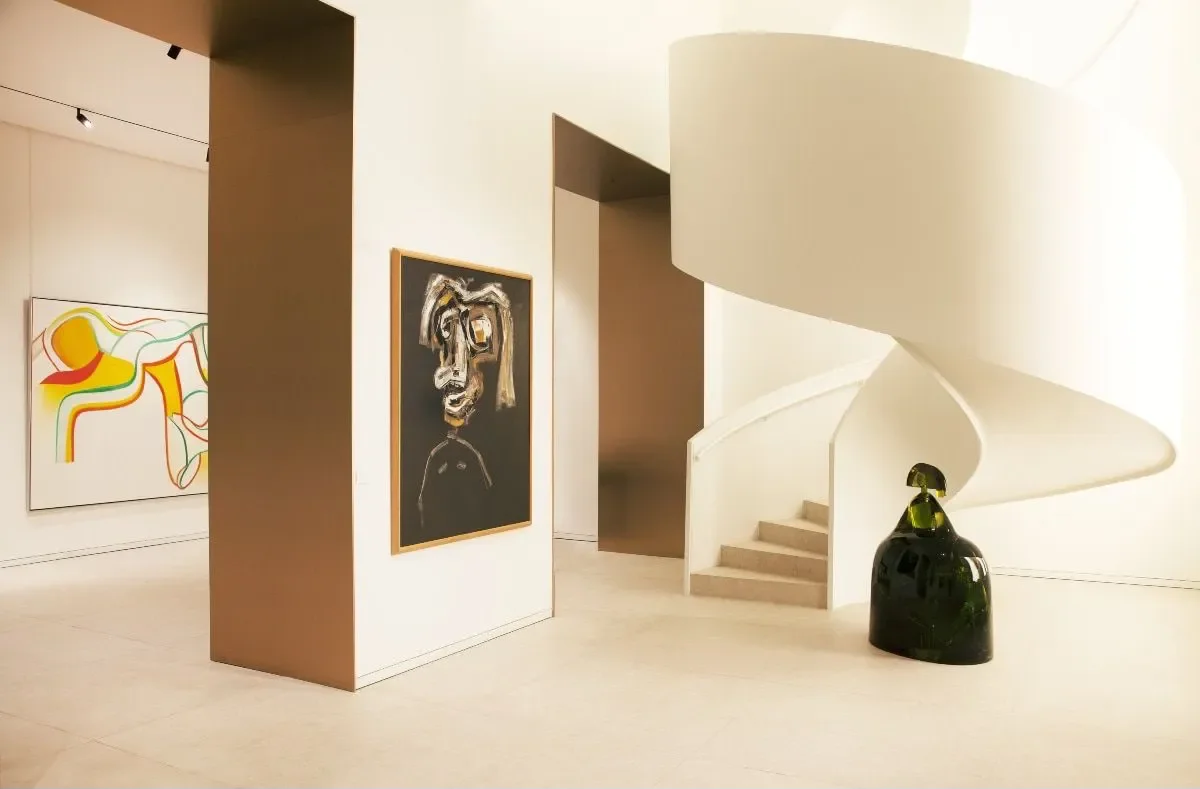
Courtesy of Opera Gallery
Words Copyright of Naso Art Journal.
Full article is in print in Issue 3.
