
Reflections on Contemporary Art in Saudi Arabia
In the lead up to the Diriyah Contemporary Art Biennale
In the lead-up to the Diriyah Contemporary Art Biennale, we speak with cultural practitioner and strategist Haneen AlAli about how contemporary art in Saudi Arabia is being shaped through research, public engagement, and long-term thinking.
As the Biennale opens across JAX District under the theme In Interludes and Transitions, the conversation turns to the role of cultural infrastructure in producing knowledge, sustaining dialogue, and connecting artistic practice to lived experience.
Haneen AlAli:
On Practice, Publics, and Cultural Infrastructure
As the Diriyah Contemporary Arts Biennale approaches, Naso Art Journal sat down with Haneen AlAli for a conversation on the landscape of contemporary art in Saudi Arabia today. Working across research, public programs, collections, and large-scale cultural initiatives in the region, Haneen brings a perspective shaped by close, long-term engagement with artists, institutions, and audiences. Speaking with Naso, she reflects on how contemporary art is being experienced, supported, and developed within Saudi Arabia’s evolving cultural landscape.
For Haneen, the work is not only about producing exhibitions or programs, but about translation; connecting institutional knowledge with lived experience, and transforming research into public encounters that invite dialogue and reflection.
“I understand my role as the one that sits between vision and translation… building the conditions that allow contemporary art to be encountered meaningfully.”
Rather than seeing public programs or publications as supplementary, Haneen views them as sites of knowledge production in their own right; spaces where ideas move from curatorial frameworks into lived experience.
This, she says, is about “access with depth”: remaining publicly engaging while maintaining rigor, context, and care.
On Contemporary Art in Saudi Arabia
From her perspective, what distinguishes contemporary art in Saudi Arabia today is the pace at which infrastructure, ambition, and intellectual inquiry are developing simultaneously. It is, she notes, “not a tentative moment, but one marked by confidence and a long-term vision”
She points to the emphasis on ecosystem-building; supporting artists, writers, and cultural practitioners through platforms that encourage experimentation, discourse, and cross-disciplinary exchange.
What feels most significant is not visibility alone, but the seriousness with which research, context, and quality are being approached.
“Saudi Arabia is not only presenting contemporary art to the world; it is actively shaping the questions, methodologies and conversations that define it.”
On Publics and Participation
Haneen describes audiences in Saudi Arabia as “deeply engaged and increasingly confident,” approaching contemporary art with a desire not just to see, but to understand its histories, contexts, and social questions.
Formats that resonate most, she says, are those that invite participation without oversimplification: talks, workshops, reading rooms, publications, and long conversations that treat audiences as intellectually capable and culturally invested.
These spaces foster a sense of dialogue and belonging, opening pathways rather than providing fixed answers.
On Research, Identity, and Continuity
For Haneen, research and long-term planning are not preliminary steps but foundations. They allow cultural projects to move beyond immediacy and unfold with nuance and care, creating continuity and lasting value rather than temporary visibility.
She speaks of identity as a grounding starting point; returning to regional narratives, modern Arab art histories, and lived experiences as sources of context and meaning.
Looking Ahead
When asked where she sees the most development, Haneen points to research-driven practices, publishing, and interdisciplinary work between art, design, architecture, and theory. She also highlights the strengthening of local and regional art histories, and the growing roles of curators, writers, and cultural producers operating across contexts.
“I think the most exciting part is that this development is completely intentional. And the focus is not only on visibility, but on building a strong cultural foundation that can sustain complexity, debate and experimentation over time.”
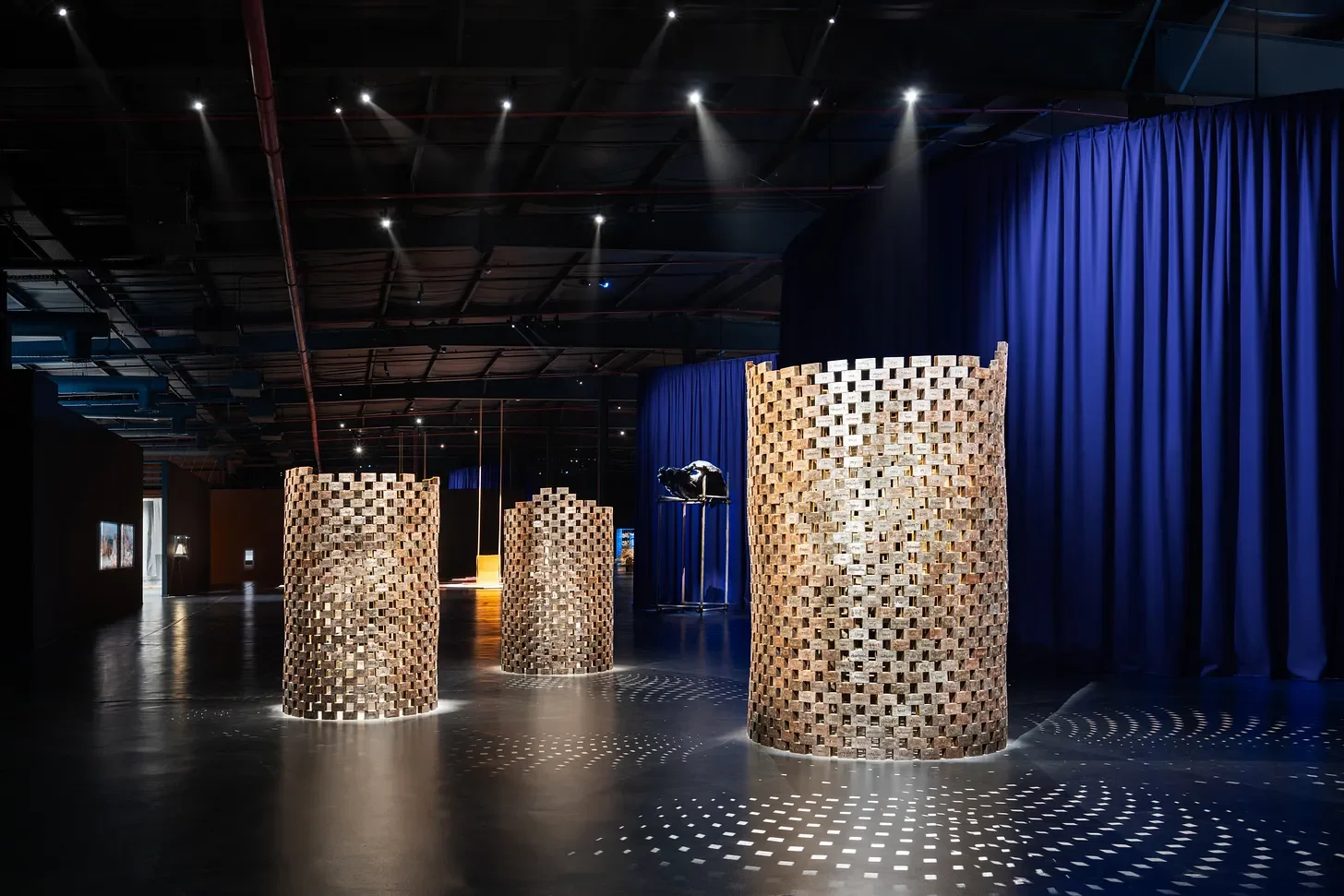
Sara Abdu, Now That I've Lost You In My Dreams Where Do We Meet? (2021/2024). Courtesy Diriyah Biennale Foundation. Photo: Marco Cappellettii.
The Moment:
Diriyah Contemporary Art Biennale
This weekend, the Diriyah Contemporary Art Biennale 2026 opens across the JAX District. Now in its third edition, the biennale has become one of Saudi Arabia’s most visible platforms for contemporary artistic practice, bringing together artists from across the Kingdom, the region, and around the world.
Titled “في الحِلّ والترحال” / In Interludes and Transitions,” the biennale draws from a colloquial phrase that refers to the cycles of encampment and travel in nomadic communities across the Arabian Peninsula. The theme takes as its point of departure the movements, migrations, and transformations that have long connected the Gulf region with the wider world. This thematic frame invites audiences to think about continuity and transformation not as fixed endpoints, but as ongoing processes of exchange and becoming.
The exhibition is led by Artistic Directors Nora Razian and Sabih Ahmed, joined by an international team of curators including Maan Abu Taleb, May Makki, Kabelo Malatsie, and Lantian Xie. Together with scenography and design contributions from Milan-based architect Sammy Zarka and the design studio Formafantasma, the biennale unfolds across multiple indoor and outdoor sites, presenting works that respond to the theme through diverse media and perspectives.
More than 70 artists are participating in this edition, with new commissions, installations, and cross-disciplinary projects that speak to questions of movement, exchange, and memory.
As it unfolds within a rapidly developing cultural landscape, the biennale operates within the same broader conditions described earlier: an emphasis on research as a foundation, on public programs and publications as sites of knowledge production, and on creating spaces where ideas move from curatorial frameworks into lived public experience. Rather than existing as a singular event, it forms part of a wider cultural infrastructure through which contemporary art in Saudi Arabia is being encountered, discussed, and sustained over time.
Artists to Watch
As the Biennale opens, a new generation of artists continues to shape the evolving landscape of contemporary art in Saudi Arabia and the wider region. The following artists offer distinct, thoughtful approaches to material, narrative, and spatial practice; making them voices to watch at this moment.
Mohammed Alhamdan
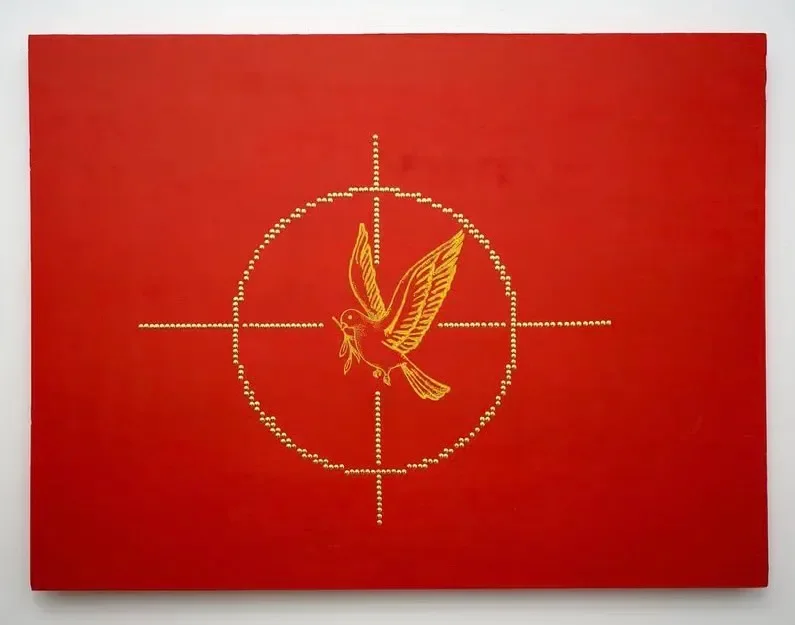
Restricted area, 2025
Lulua AlYahya
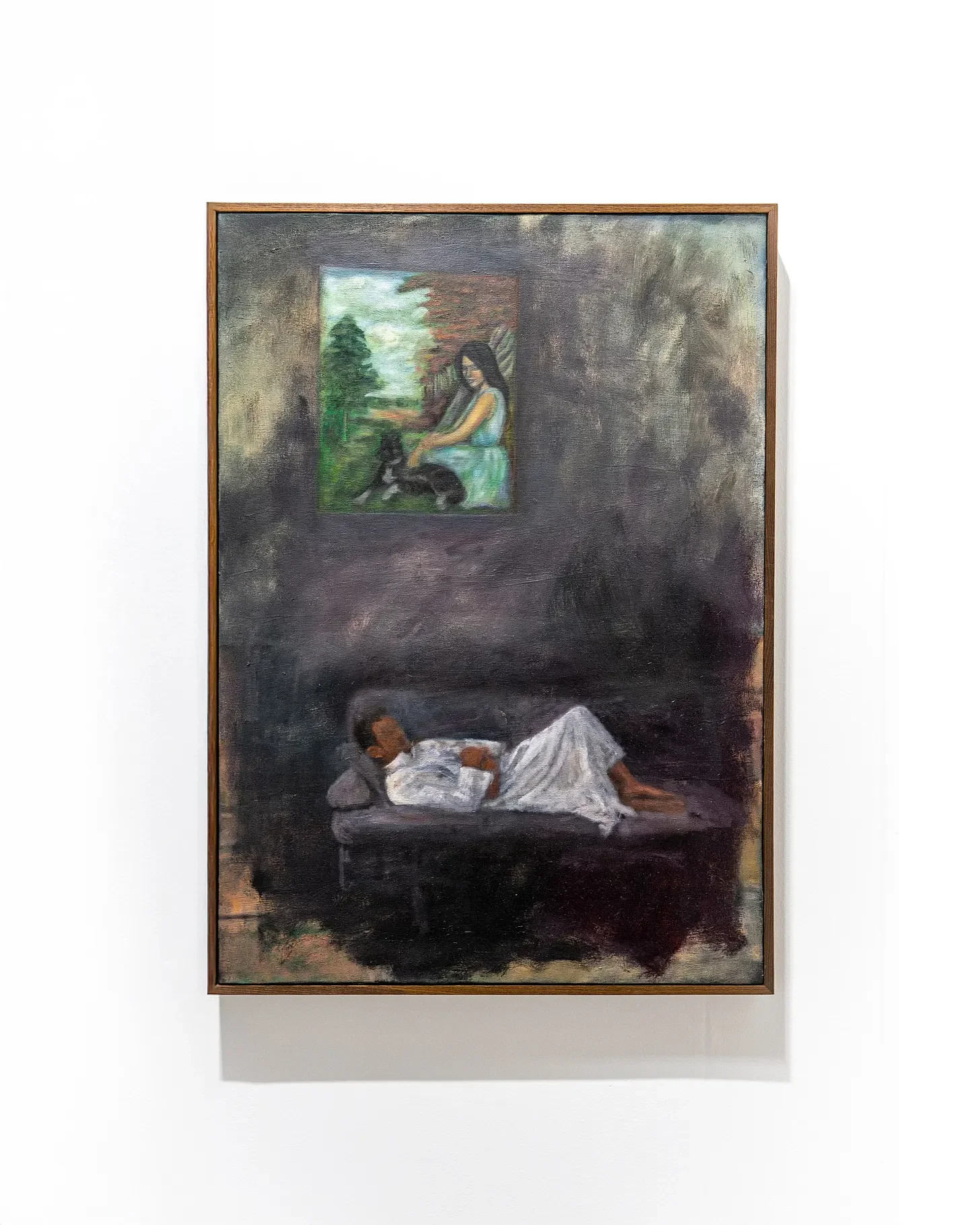
Untitled, 2025
Afra Al Dhaheri
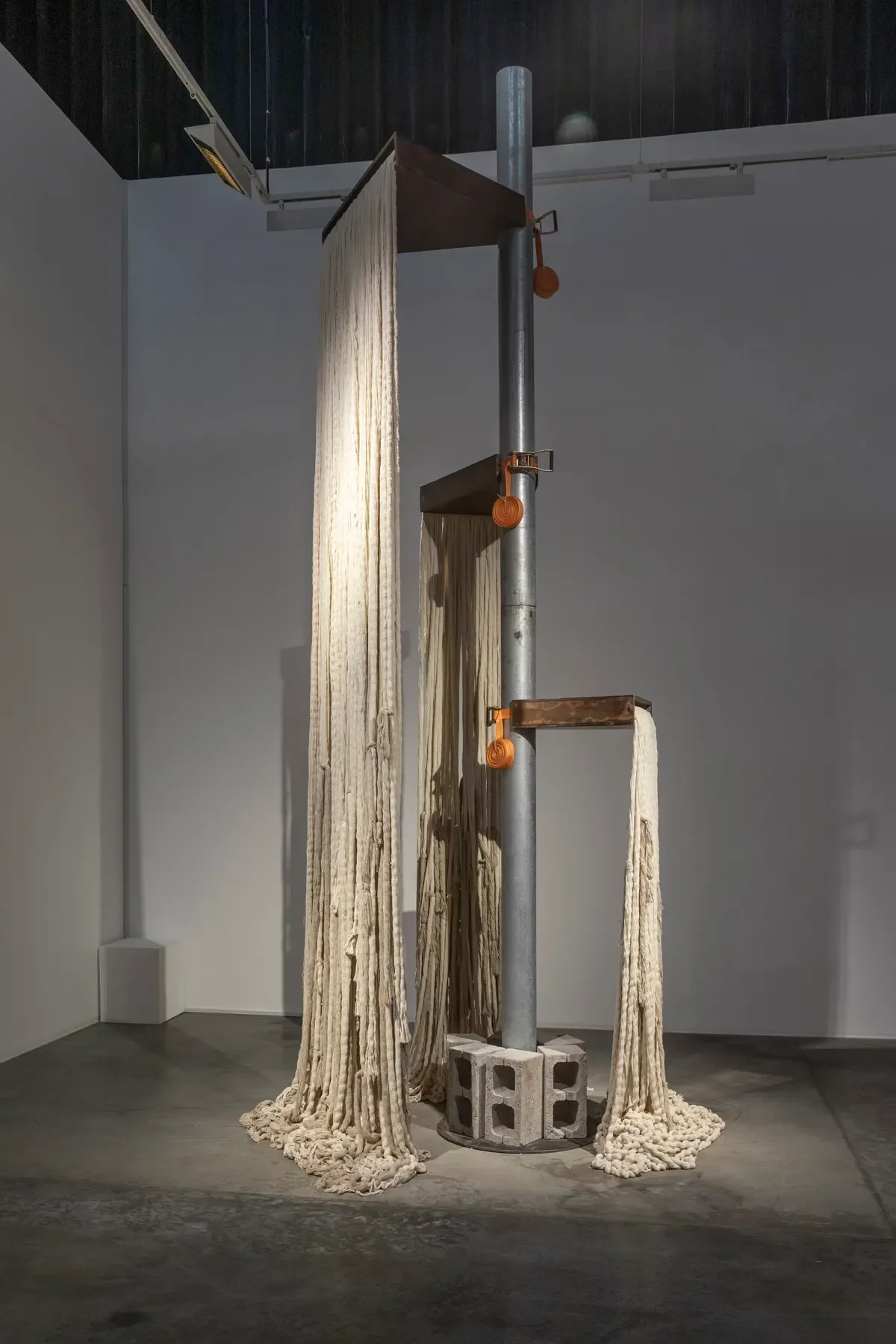
Give your weight to the ground (spiral staircase), 2023
Ahaad AlAmoudi
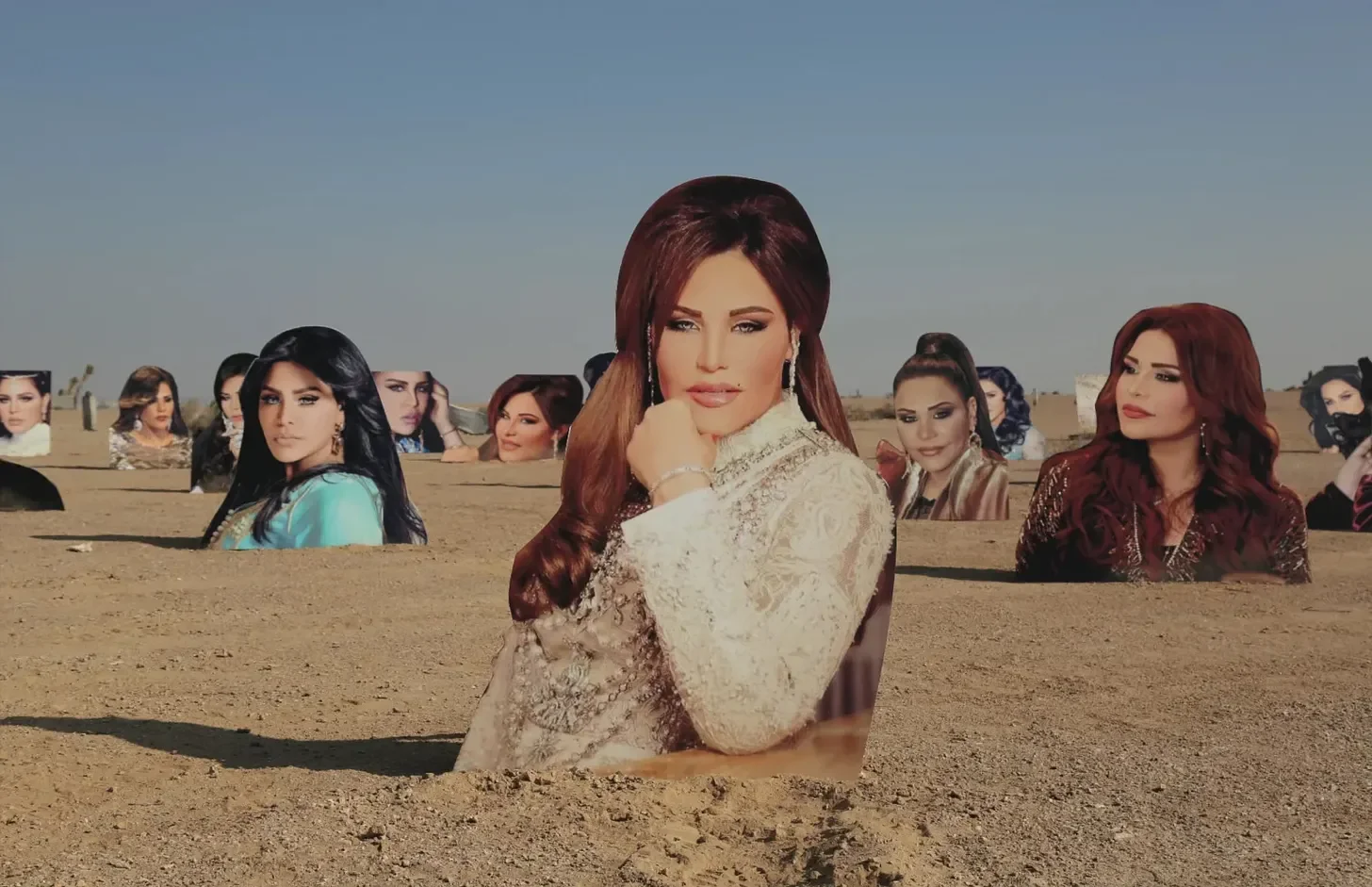
Land of Dreams 1, 2018
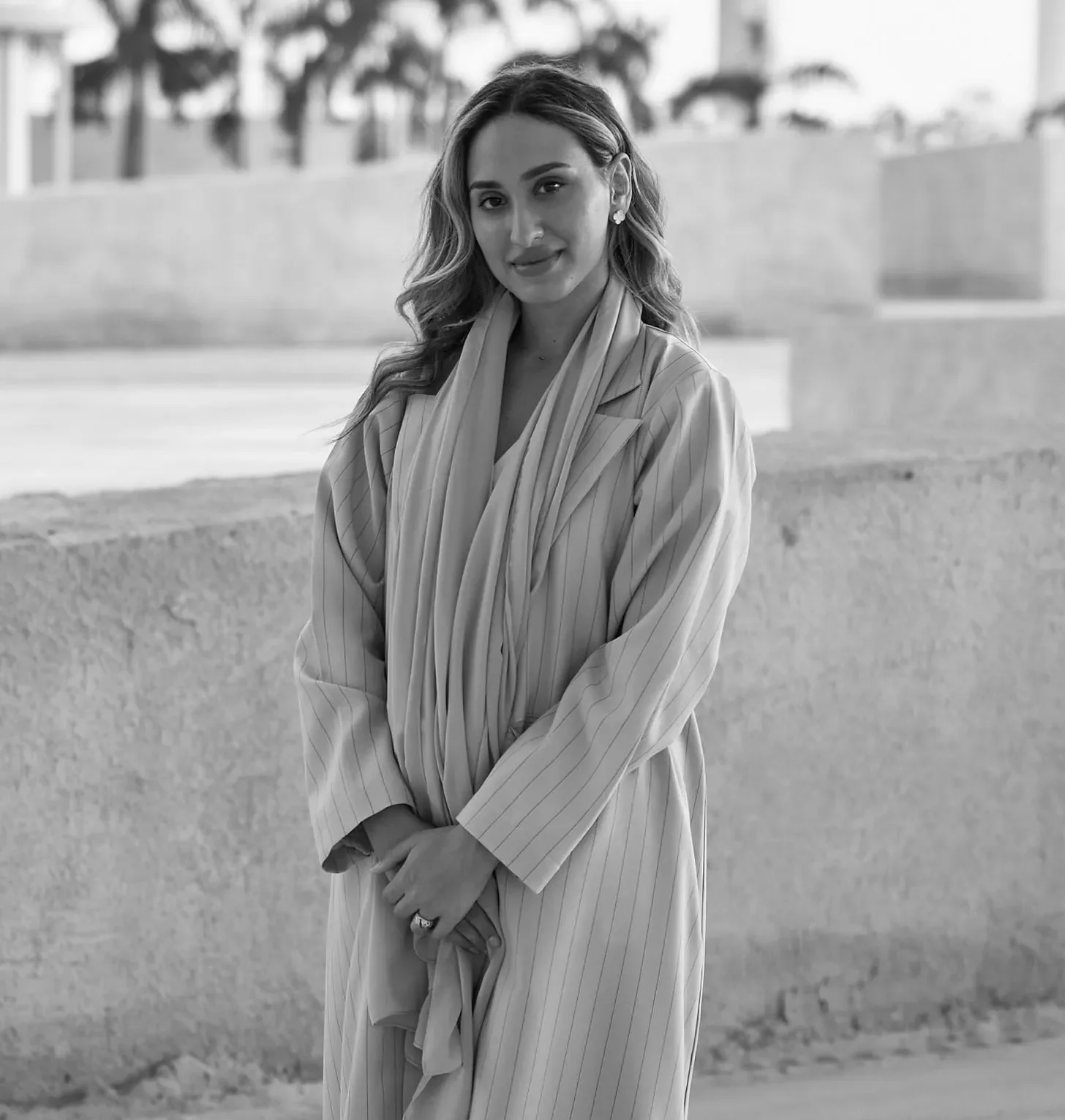
Haneen AlAli is an Independent Cultural Practitioner and Arts Consultant whose work lies at the intersection of art institutions, cultural programming, and curatorial development across the Gulf. Over the past seven years, she has worked with leading organizations including the Bahrain Authority for Culture and Antiquities and the Diriyah Biennale Foundation, contributing to exhibitions, public programs, and institutional initiatives that explore the evolving dynamics of the region’s cultural ecosystem. Her experience also extends to collection management and strategy, overseeing acquisitions, research, and conservation planning within museum contexts. Through this work, she continues to engage with how collections shape cultural narratives and reflect shifting curatorial and institutional priorities across the region.
Words Copyright of Naso Art Journal.
