
Art Genève 2026
The missed opportunity of internationalism
From January 29 to February 1, 2026, Art Genève returns to Palexpo in Geneva for its 14th edition, an international contemporary art fair that brings together galleries, institutions, collectors and artists from around the world. While the fair’s global scope is wide - featuring over 80 galleries and a mix of solo projects, immersive installations and emerging talents — this year offers a timely moment to reflect on how artists from the Middle East and North Africa (MENA) are shaping the contemporary conversation within this cosmopolitan platform.
What the fair does well
Art Genève’s greatest strength lies in its refusal to overwhelm. At a moment when major fairs equate scale with significance, Geneva’s deliberately mid-sized format creates space for attention rather than acceleration. With around 80 galleries, the fair invites collectors, curators, and critics to linger — to look closely, to talk, to consider. This slower rhythm fosters a more reflective kind of engagement, one where acquisition often follows conversation, and where artistic trajectories can matter as much as market momentum.
What truly distinguishes Art Genève, however, is its institutional intelligence. Museum partnerships, curated exhibitions, performances, and a robust talks program give the fair a quasi-biennial character. It operates not only as a marketplace but as a cultural forum, one where questions of collecting ethics, public funding, and art’s social role are openly debated. This positioning attracts galleries and artists with long-term institutional ambitions, reinforcing the fair’s reputation as a place where careers are shaped, not just transactions made.
At the Margins of the Global Stage: MENA Artists and the Question of Visibility at Art Genève 2026
As Art Genève returns in 2026, positioning itself once again as a refined meeting point for international galleries, collectors, and institutions, the fair reflects many of the strengths that have defined its reputation: curatorial rigor, a strong European gallery base, and an emphasis on quality over scale. Yet within this carefully shaped global landscape, one absence remains striking - the limited presence of artists and galleries representing the Middle East and North Africa (MENA).
At a moment when MENA art is gaining unprecedented visibility across museums, biennials, and international auction houses, its relative scarcity at Art Genève raises important questions about how global art markets evolve - and who they choose to center.
The Cost of Underrepresentation
The absence of strong MENA visibility at a fair like Art Genève has implications beyond numbers on an exhibitor list. Fairs function not only as marketplaces, but as cultural filters — shaping which narratives circulate, which practices are normalized, and which artistic geographies are perceived as central to contemporary art.
When MENA voices are underrepresented, audiences miss out on practices that often challenge dominant frameworks of history, identity, and modernity. The fair’s global outlook risks feeling geographically uneven, reinforcing a vision of contemporary art that remains anchored primarily in Euro-American perspectives.
Artists to Watch (MENA Region, 2026)
The following artists have been highlighted in recent critical discourse as voices shaping contemporary art from the MENA region:
Mouhcine Rahaoui
Mouhcine Rahaoui graduated from the Tetouan School of Fine Arts in 2017. His work explores the experience and history of miners in the Oriental region, particularly in his home town of Jerada. He offers an immersion into the meanders of his memory and his relationship with the raw reality of a town where the only way to survive is to ‘take the rabbit trail’, confronting the likelihood of not getting out.
According to urban legend, a Belgian forest ranger stumbled upon a coal deposit in the late 1920s after having followed a black rabbit covered in coal. This event led to the first mining operations in the town of Jerada.
(Shown with Afikaris Gallery at Art Geneva.)
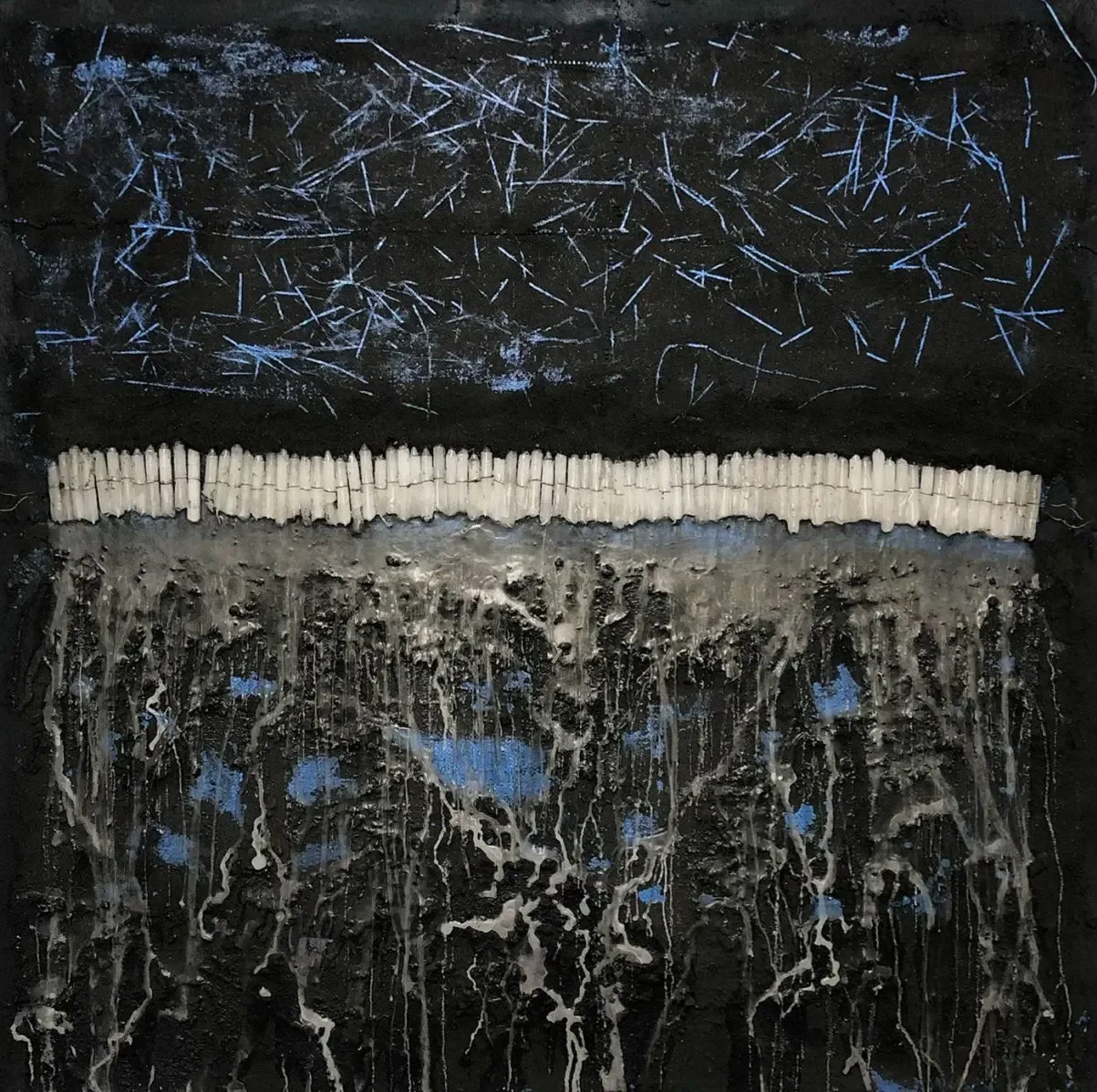
Mouhcine Rahaoui - Mineur, 2024
Nasreddine Bennacer
Nasreddine Bennacer is an artist based in Paris. He was born in Guelma, Algeria in 1967. His work ranges in mediums; such as a sculpture, installation art, and painting plexiglas. Despite the differences in material, the artworks often serves the same function: to dissect the concepts of culture, civilization and identity. Bennacer’s work also tackles the ambiguity that resides in relationships and behaviours, primarily focusing on the forms of manipulation and exploitation for the individual or at the broader society.
(Shown with Afikaris Gallery at Art Geneva)
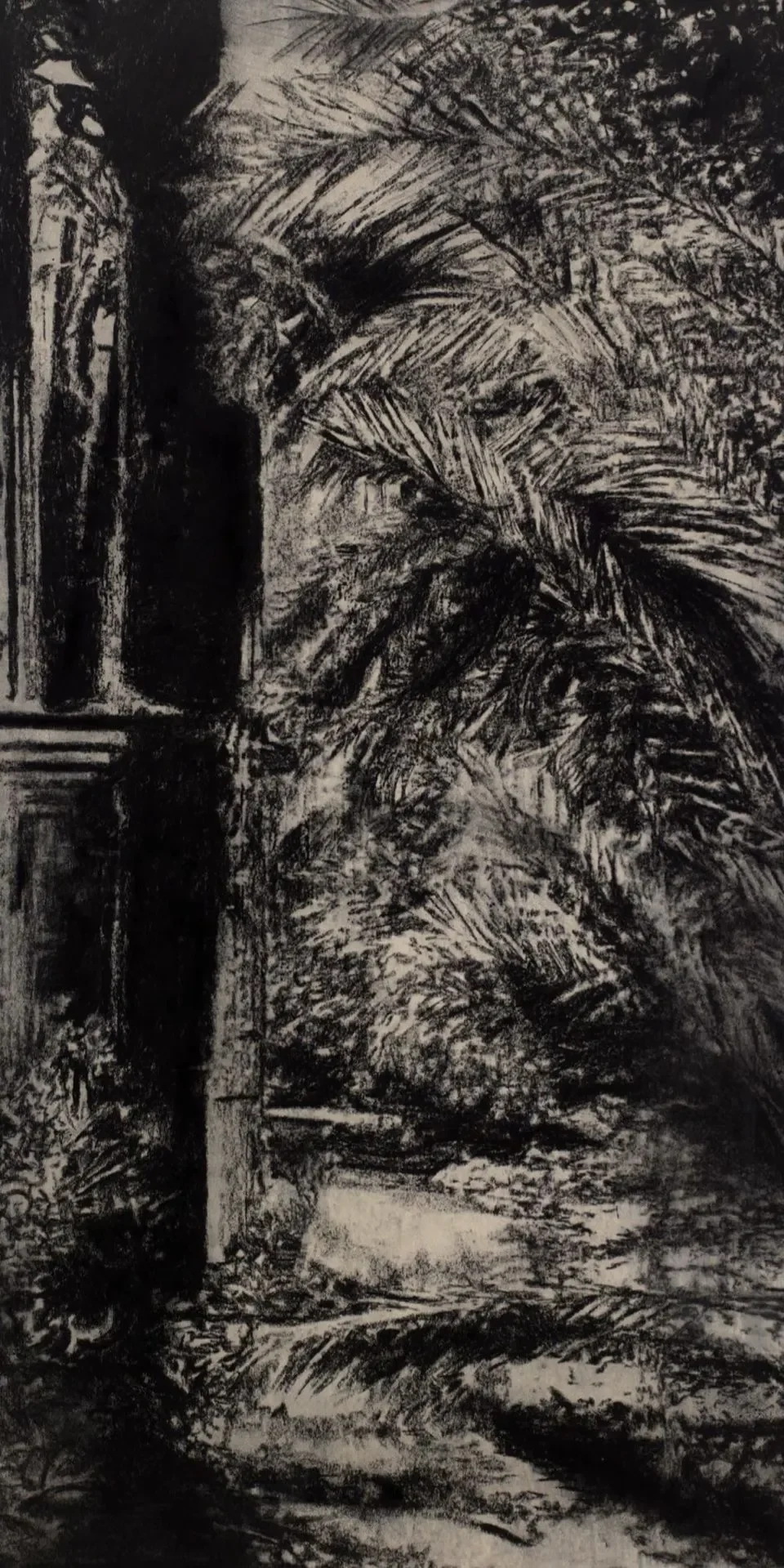
Nasreddine Bennacer, Les Jardins Suspendus, 2025
Conclusion: Towards a More Nuanced Internationalism
Art Genève 2026 is, in many ways, a success story of a midsized fair balancing quality and intimacy. But as the global art world grows more interconnected, fairs must grapple with what international really means. The presence of MENA galleries and artists shouldn’t be an add-on but part of the core curatorial and critical discourse - shaping programming, talks, and thematic focus rather than only filling booth space.
If Art Genève aspires to be a space where “bridges are built,” then the next step is to ensure those bridges connect across linguistic, geographic, and epistemological divides - not just at the level of markets, but in the narratives that define what contemporary art is and can be.
Words Copyright of Naso Art Journal.
