
Fair Fatigue and the Expanding Art Fair Landscape
Over the past two decades, the art fair has become one of the defining structures of the global art world. What was once a concentrated calendar of major events now stretches across the year, across continents, and increasingly across cities that were not previously considered part of the fair circuit. New fairs continue to emerge while established ones expand their ambitions, audiences, and geographic reach.
Yet as the art fair landscape grows, so too does a phrase that appears with increasing frequency in conversations among collectors, gallerists, curators, artists, and journalists: fair fatigue.
The term is often used casually, usually to describe exhaustion. Too many flights. Too many openings. Too many booths. Too many events competing for attention within the same week. Yet beneath that practical frustration lies a more interesting question. What exactly is fair fatigue responding to?
Courtesy of Art Basel
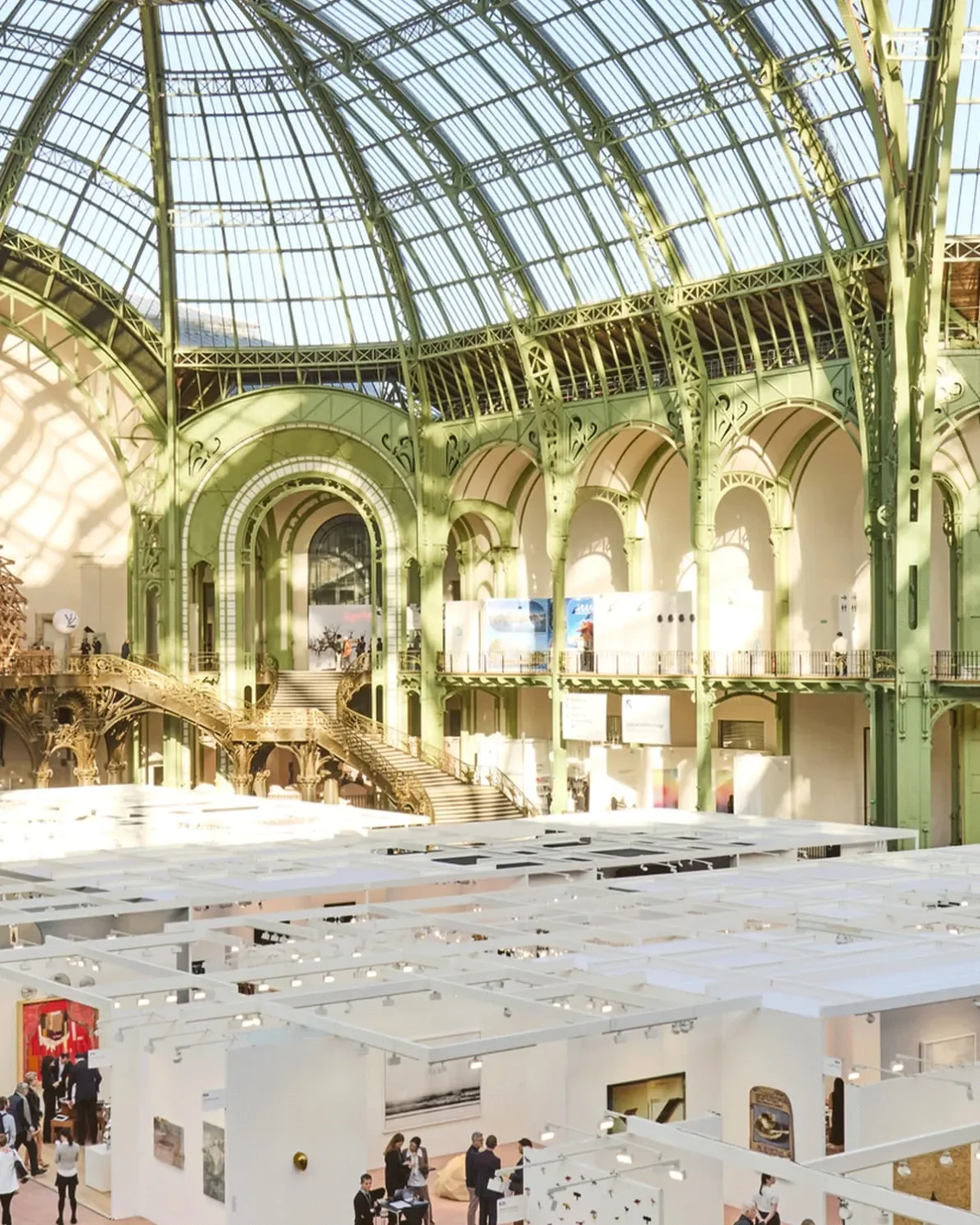
Part of it may be a matter of scale. The contemporary art world now operates within a near-continuous cycle of fairs, biennials, auctions, openings, and cultural events. Attention has become one of the most contested resources within this ecosystem. Visitors arrive at fairs expected to absorb hundreds of artists, dozens of galleries, and countless conversations within a limited period of time. The challenge is no longer access. It is concentration.
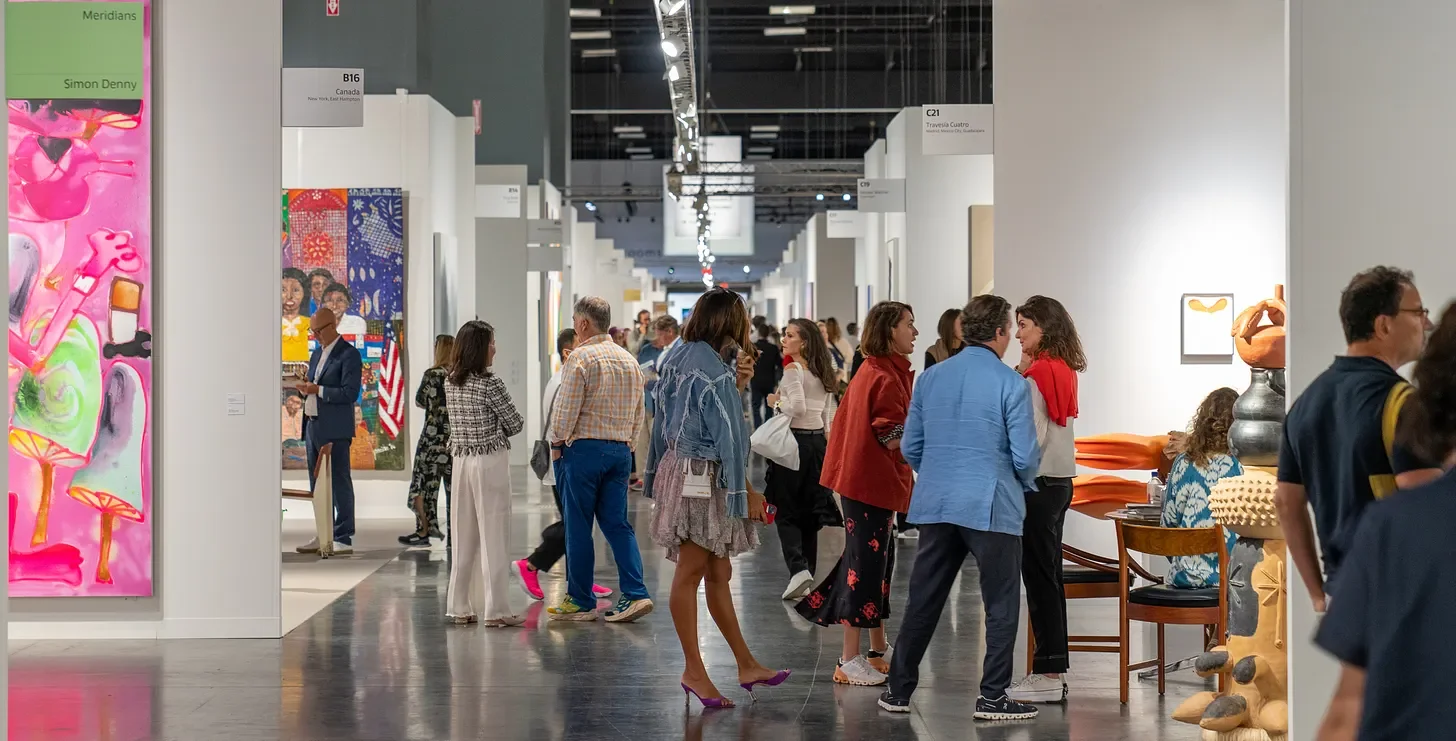
This shift has consequences for how art is experienced. As fairs become larger and more numerous, the speed at which audiences move through them often increases. Booths are visited, photographed, and left behind in a matter of minutes. Works compete not only with one another, but with the sheer volume of information surrounding them. The result is a growing tension between the amount of art being presented and the amount of attention available to receive it.
Viewed from this perspective, fair fatigue may be less about the existence of too many fairs and more about the conditions through which fairs are experienced.
This is perhaps why some of the most interesting conversations today are not centred on whether the art fair model remains relevant. They are centred on how that model might evolve.
Recent fairs have begun experimenting with formats that encourage slower engagement. Curated sections have become more prominent. Educational programming has expanded. Greater emphasis is often placed on talks, performances, and research-driven presentations. In some cases, fairs are actively reconsidering how much can reasonably be shown within a single booth.
Courtesy of Art Basel
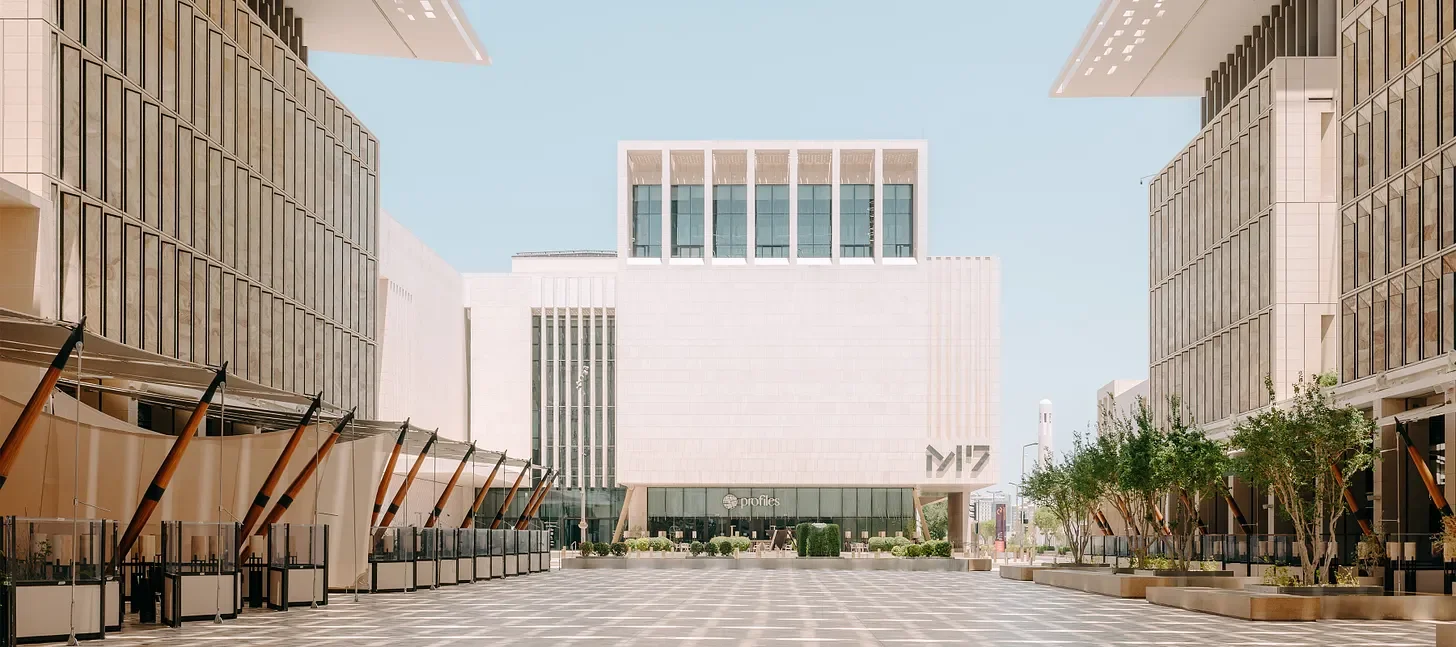
The inaugural edition of Art Basel Doha offered one example of this shift. By adopting a one-artist-per-booth format, the fair created conditions that felt noticeably easier to navigate. Visitors were able to spend time with individual practices rather than constantly adjusting between multiple artistic positions. The experience felt more focused, and perhaps more memorable, because it reduced the pressure of continual visual and intellectual switching.
What made this approach notable was not simply its structure. It acknowledged a broader reality. In an environment saturated with cultural production, clarity can be as valuable as abundance.
Courtesy of Art Basel
This raises an important possibility. Fair fatigue may not signal declining interest in art fairs themselves. It may indicate growing expectations around how they operate. Audiences are becoming more selective about where they invest their time and attention. Galleries are increasingly strategic about which fairs they attend. Organisers are under pressure to offer experiences that feel distinct rather than interchangeable.
The fairs that thrive in the coming years may be those that understand attention as a finite resource. Scale will continue to matter. International reach will continue to matter. Yet the ability to create meaningful encounters between audiences and artworks may become an equally important measure of success.
For this reason, fair fatigue should perhaps be understood less as a threat and more as a feedback mechanism. It reflects a cultural ecosystem reaching a point where expansion alone is no longer enough. Growth creates opportunities, but it also creates expectations.
As the global art fair landscape continues to expand, the question may no longer be how many fairs can exist. The more interesting question is what kind of experience each fair offers, and whether audiences will continue to return when attention itself has become one of the art world’s most valuable currencies.
What do you think? Is fair fatigue a temporary reaction to an expanding calendar, or does it point to a deeper need for art fairs to rethink how audiences engage with art?
Words © Naso Art Journal
