
The Life of a Painting After the Sale
A friend of mine, an artist, told me recently that she sometimes wonders where her work goes once it has sold, what wall it ends up on, what it becomes part of day to day. It is a small thing, but it points at something collectors are almost never asked to account for: what happens to a work once the sale closes and the room empties out.
The easy answer is nothing. A collector pays, the work changes hands, and whatever happens next belongs to them privately, the same way anything else in a home does. Most people working in this field know collectors who clearly do not treat it that way, though, who behave as though buying a work opened a set of obligations rather than closing them off.
We interviewed Rémi Homs of the Barjeel Art Foundation for an earlier piece, and what struck me was how openly he spoke about the foundation’s holdings, and how much responsibility seemed to sit underneath that openness, as though the collection was being held on behalf of a wider public rather than kept for its own sake. Not many collectors could follow that model even if they wanted to, and it made the quieter, more common version of collecting look different by comparison, the version where a work simply enters a home and the trail more or less ends there.

It would be unreasonable to expect every collector to run a foundation, or publish a loans policy, or answer to scholars the way an institution does. Most people buy a painting because they love it, not because they are prepared to become its archivist. The responsibility does not need to scale that far to count for something, though: keeping a record of who sold a work and when, telling a gallery or an artist’s estate when a piece changes address, agreeing to a loan request without needing to be asked twice, letting a researcher photograph it once every few years. None of it requires a name on a building, only a willingness to stay reachable.
The Western canon has lived with a version of this same problem for decades, paintings vanishing into private hands after a war, a divorce, an estate sale, and over time it built infrastructure around that fact: catalogues raisonnés, restitution registries, provenance databases maintained by institutions with the funding and staff to keep them current. The modern Arab canon has had far less of that apparatus built around it, and far less time, given how much of its history was scattered by displacement before anyone had the chance to record it properly. For now, keeping track of a work’s whereabouts is work individual collectors end up doing themselves, since the apparatus most established canons take for granted has not yet caught up here.
I still think about my friend’s question. What, short of building a foundation, does an ordinary collector actually owe the work hanging on their wall?
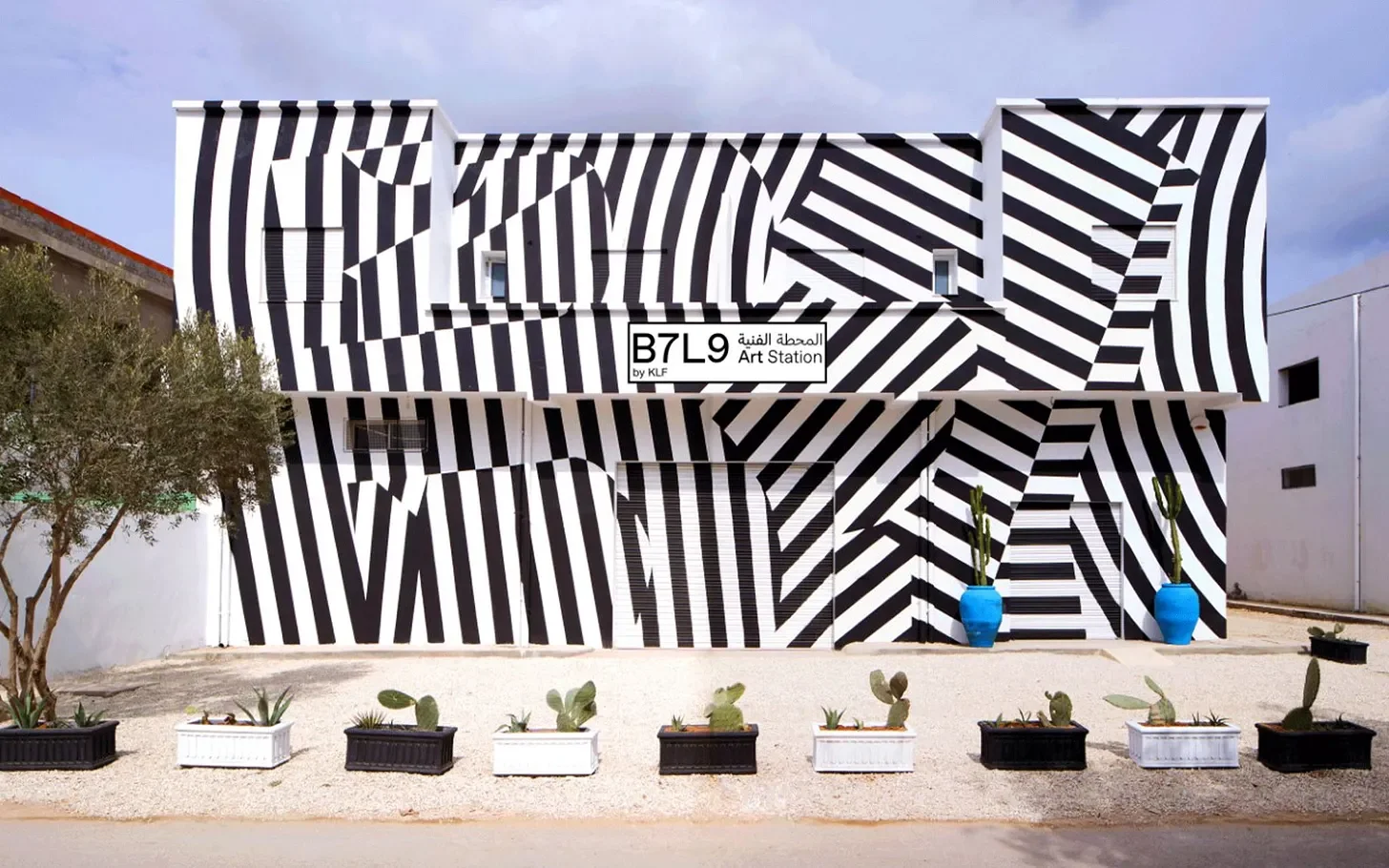
Cover Image Courtesy of RAK Foundation
Words copyright of Naso Art Journal
