
Dima Assad
“Being self-taught allowed me the freedom to make work for myself before anything else”
Written by Soraya
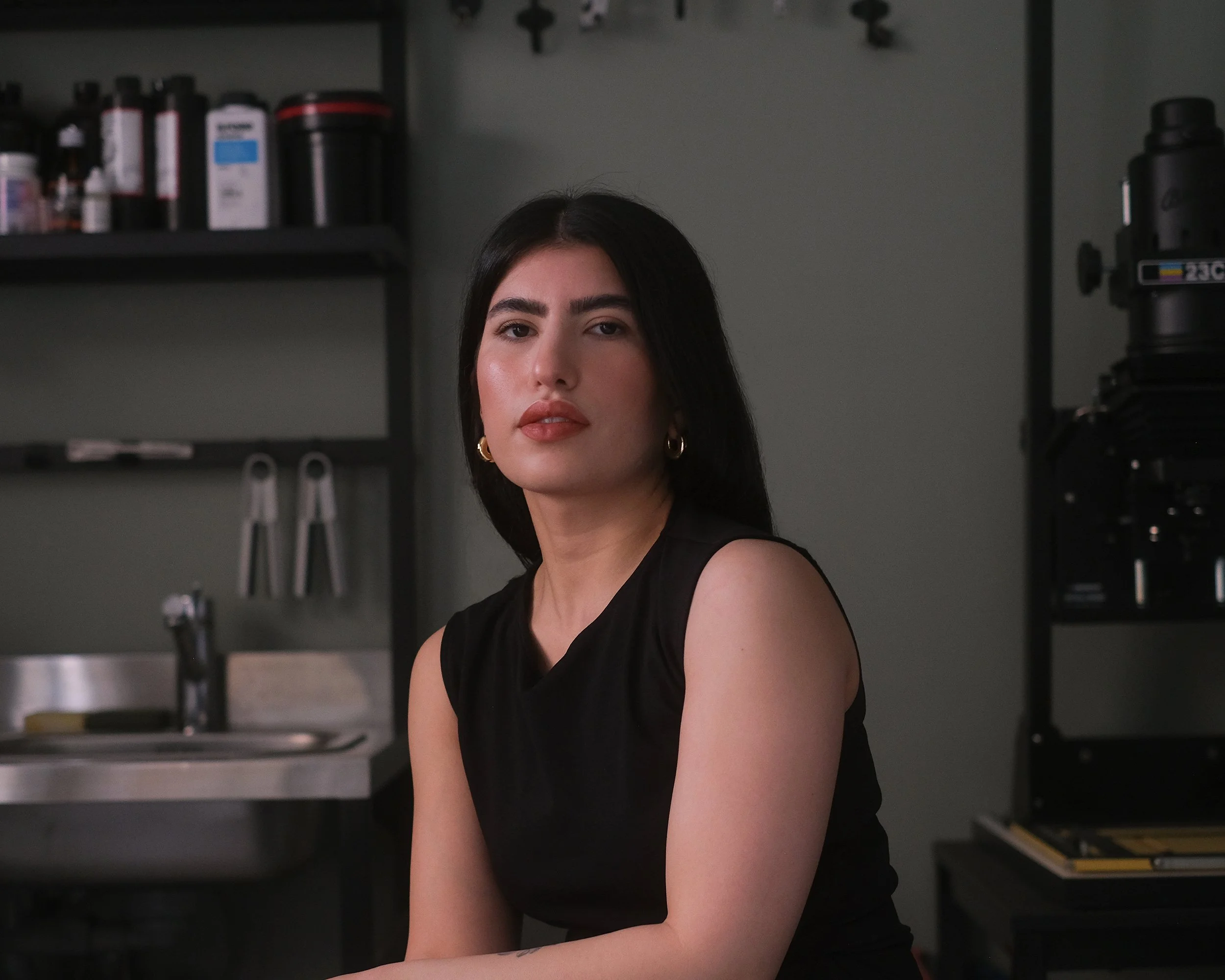
Please introduce yourself, where you are based, what you do.
I am a Jordanian artist based in Kuwait, working across photography, drawing, and printmaking. My practice explores personal and collective histories, and the ways experiences and stories are carried through images, objects, and material traces.
One life motto you live by.
Be fully present, have good inner energy, and allow things to come to you.
Three words that would describe your work (coming from you)!
Intimate, contemplative, autobiographical
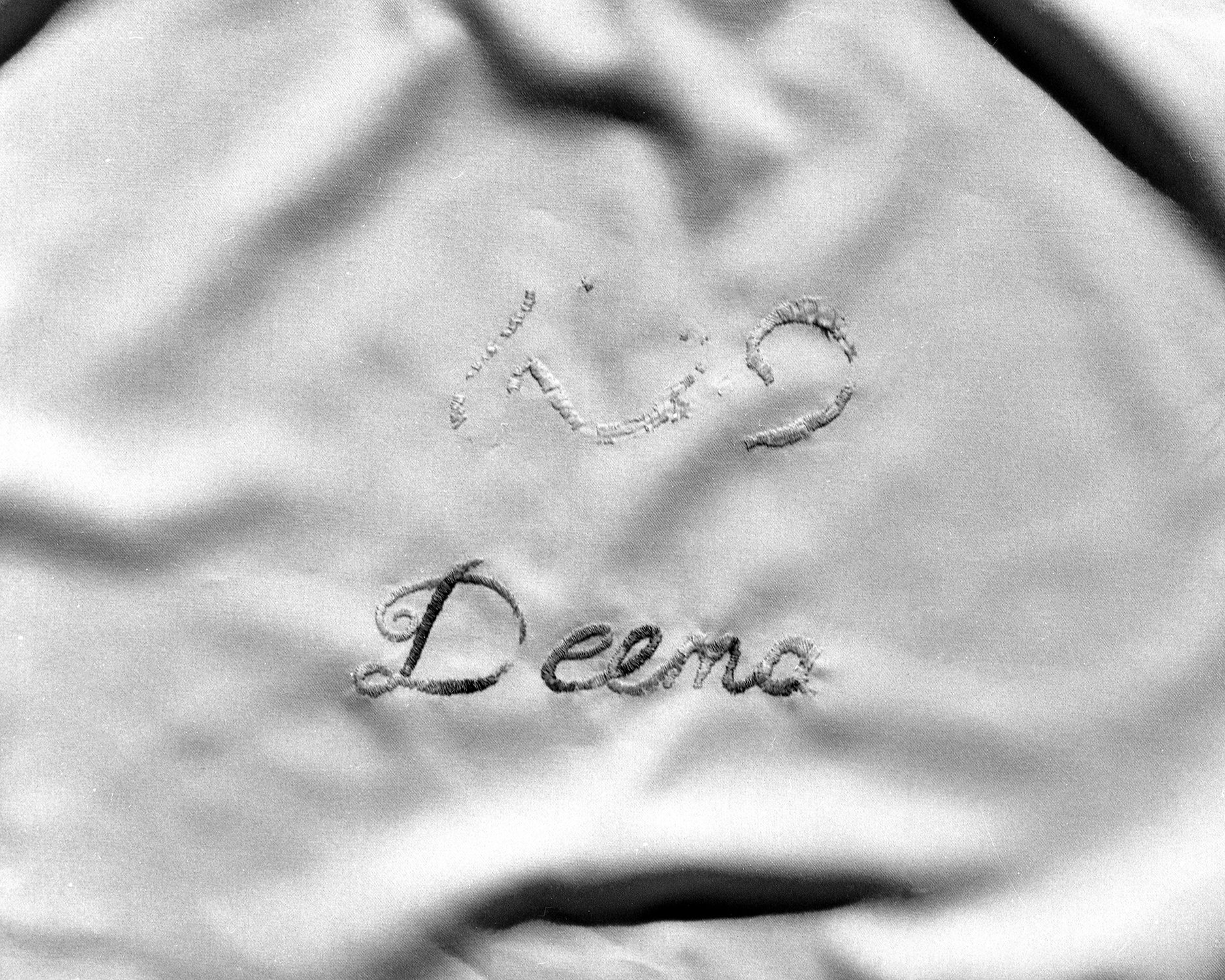
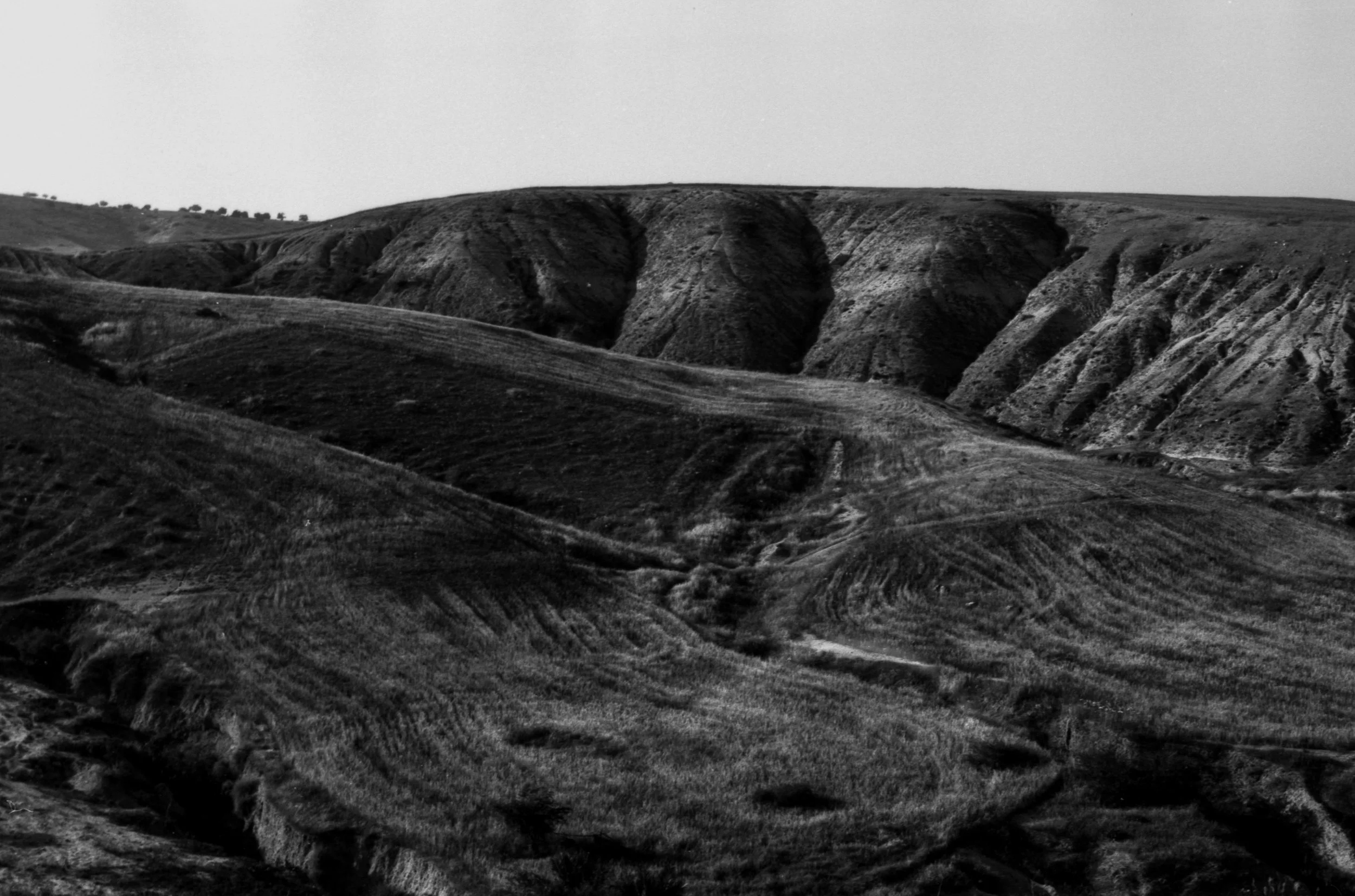
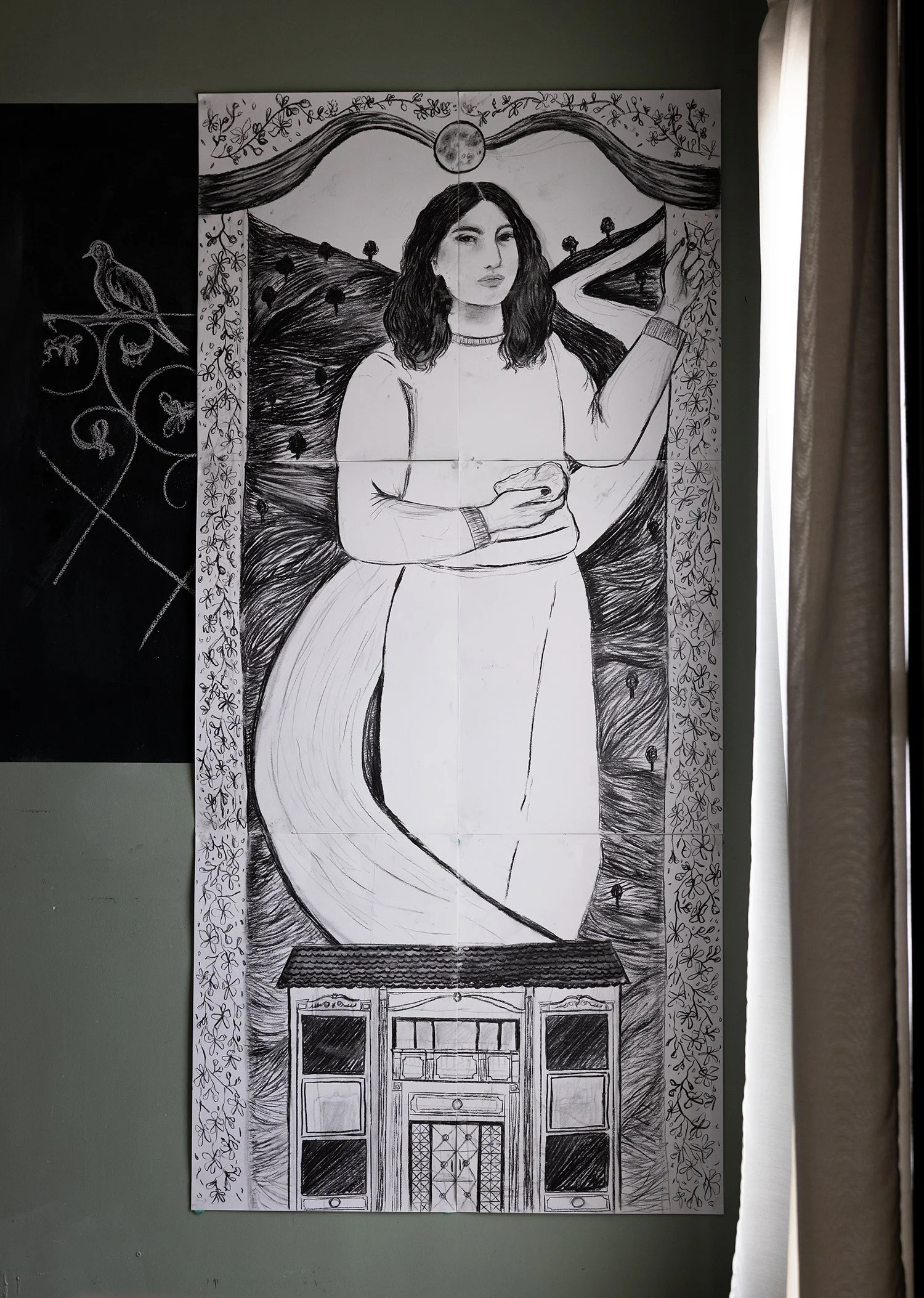
Topography of the Self, Dima Assad. Image Courtesy of the Artist.
You came to photography late and sideways, after painting and after writing. When did you stop thinking of yourself as someone trying things and start thinking of yourself as a photographer — was there a specific image?
I tend to immerse myself fully when working with a certain medium, to know its capacities and limitations and then figure out ways to work with and around them, but I was never satisfied with one. Photography serves as a tool to connect and to confront (which, frankly, doesn’t come easily to me), while drawing and painting offer a means for conveying the inner life and what is intangible. Yet they tap into the same source, and I get the same feeling of gratification when something falls into place. An expression, a line, a gesture.
You taught yourself, largely through online workshops, in a region currently building photography institutions at speed. Did being outside that system cost you anything, or did it leave you free?
I was fortunate throughout the years to have learned and received input from so many artists that I admire, and who were generous in their teaching. At the same time, I feel like being somewhat removed from an institutional framework gave me the distance to come into my own without being bound by its conventions or expectations. Being self-taught definitely allowed me the freedom to make work for myself before anything else, and to let my practice develop organically.
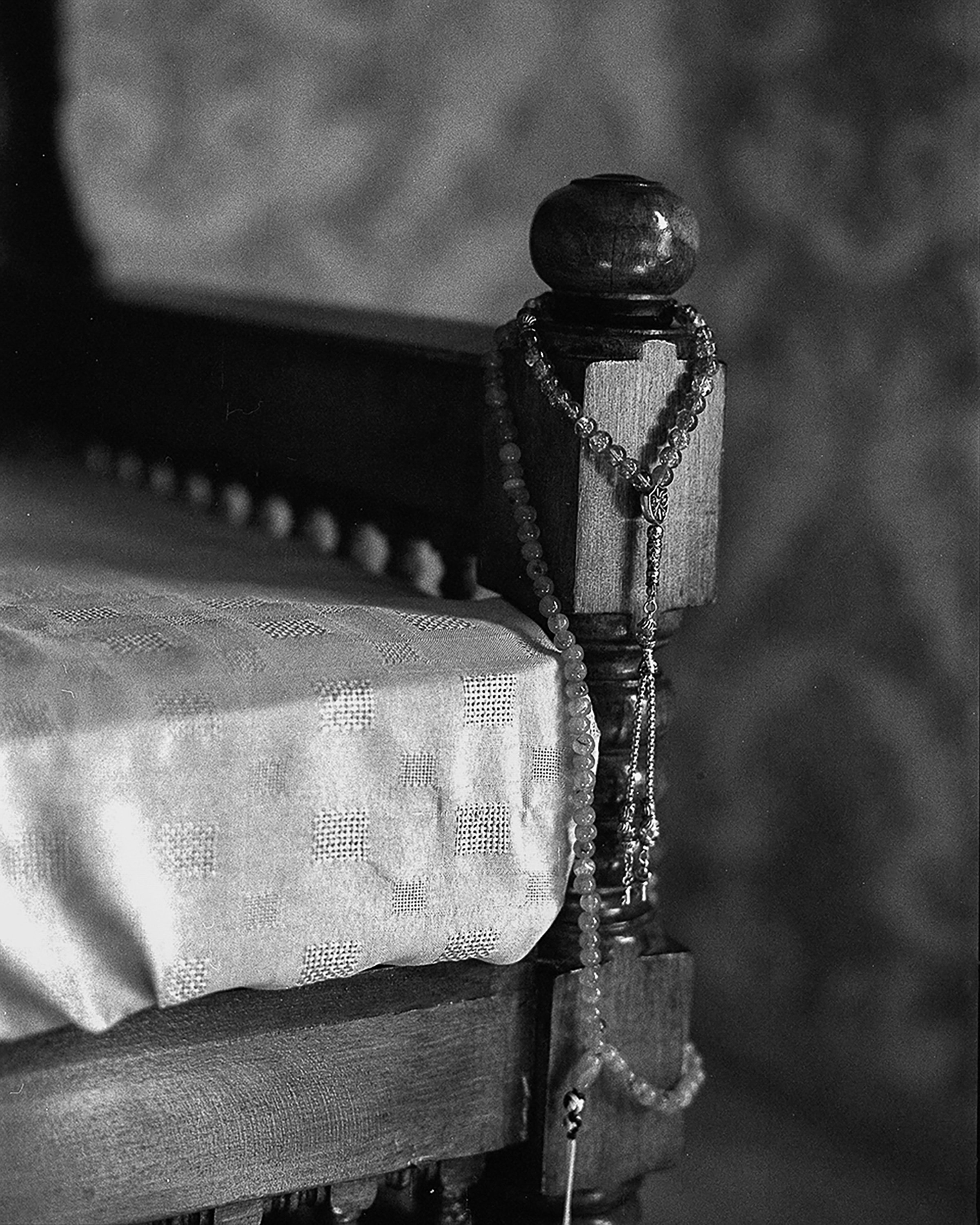
Huda (2021), Dima Assad. Image Courtesy of the Artist.
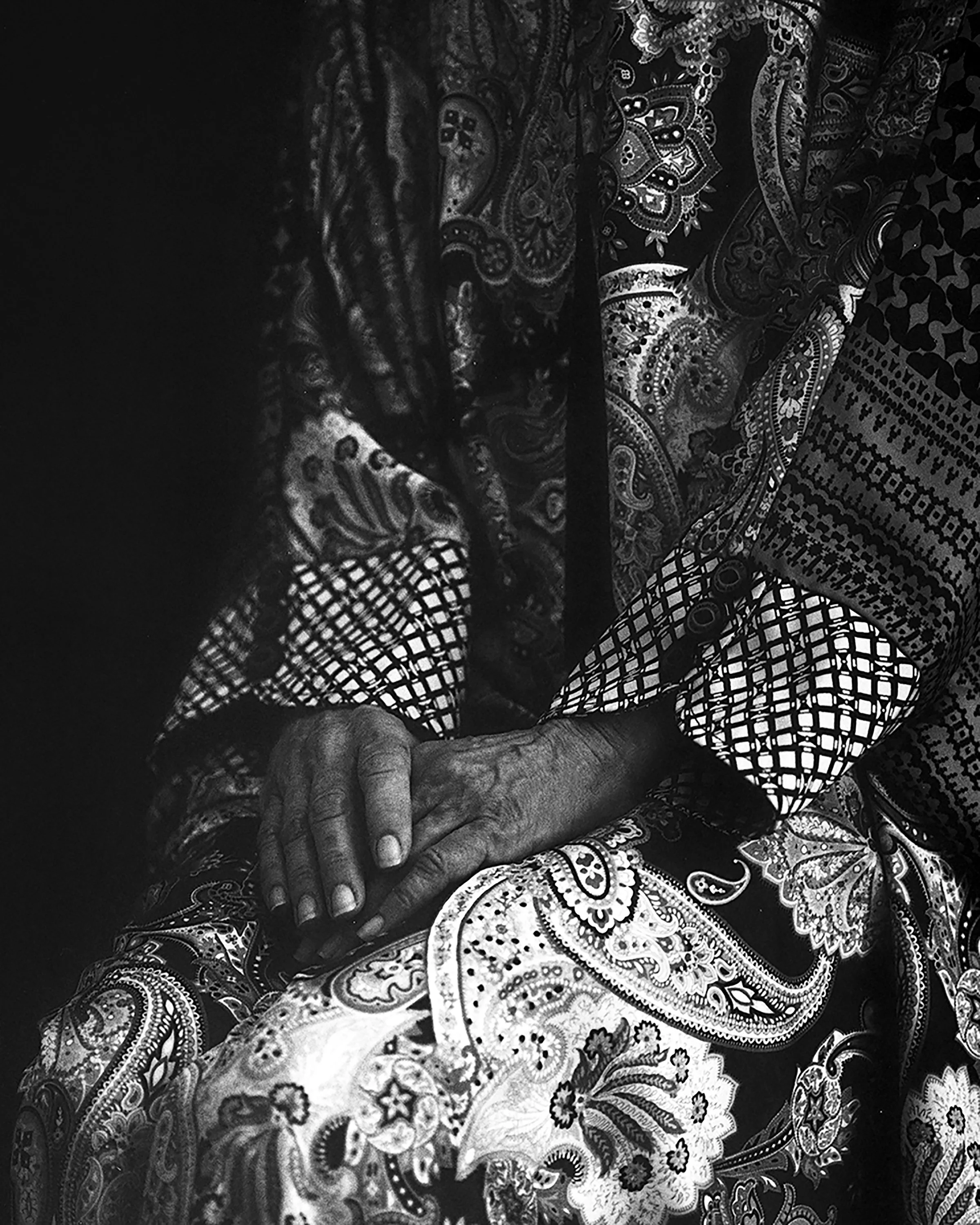
You began photographing your mother because you were afraid of losing her. That makes the camera an instrument of grief before the fact. Did the photographing make the fear smaller or larger?
It was, in a sense, a form of anticipatory grief. Perhaps even worse than the thing itself. Making a body of work about a subject that is personal and complicated becomes a way of taking these overwhelming feelings and gnawing thoughts and giving them a place to reside outside of myself. No smaller or larger than they are, the work simply contains them.
In the work she arrives through her objects — a bracelet, a photograph of her young, a handkerchief. Not her face, not her hands, not the twenty years of raising eight children alone. What did you decide her body wasn't for?
This touches on one qualm that I have when it comes to photography which is the imposition of narratives. It’s something I’m constantly mindful of when working on a project that focuses on one facet of someone’s story. How do I portray it truthfully in all its nuances without allowing it to define them as a whole? And I think I find it easier to navigate this through objects rather than through someone’s likeness. In their detached and fragmentary nature, objects can function as vessels.
One of those objects holds a lock of hair nobody can identify. Most artists would resolve that — ask, label it, cut it. You kept it unknown. Is the unattributable thing the most honest object in the series?
I feel like there’s something compelling about what remains unsaid, and that tension between revelation and concealment is what draws you in, particularly in a work that deals with something so intimate.
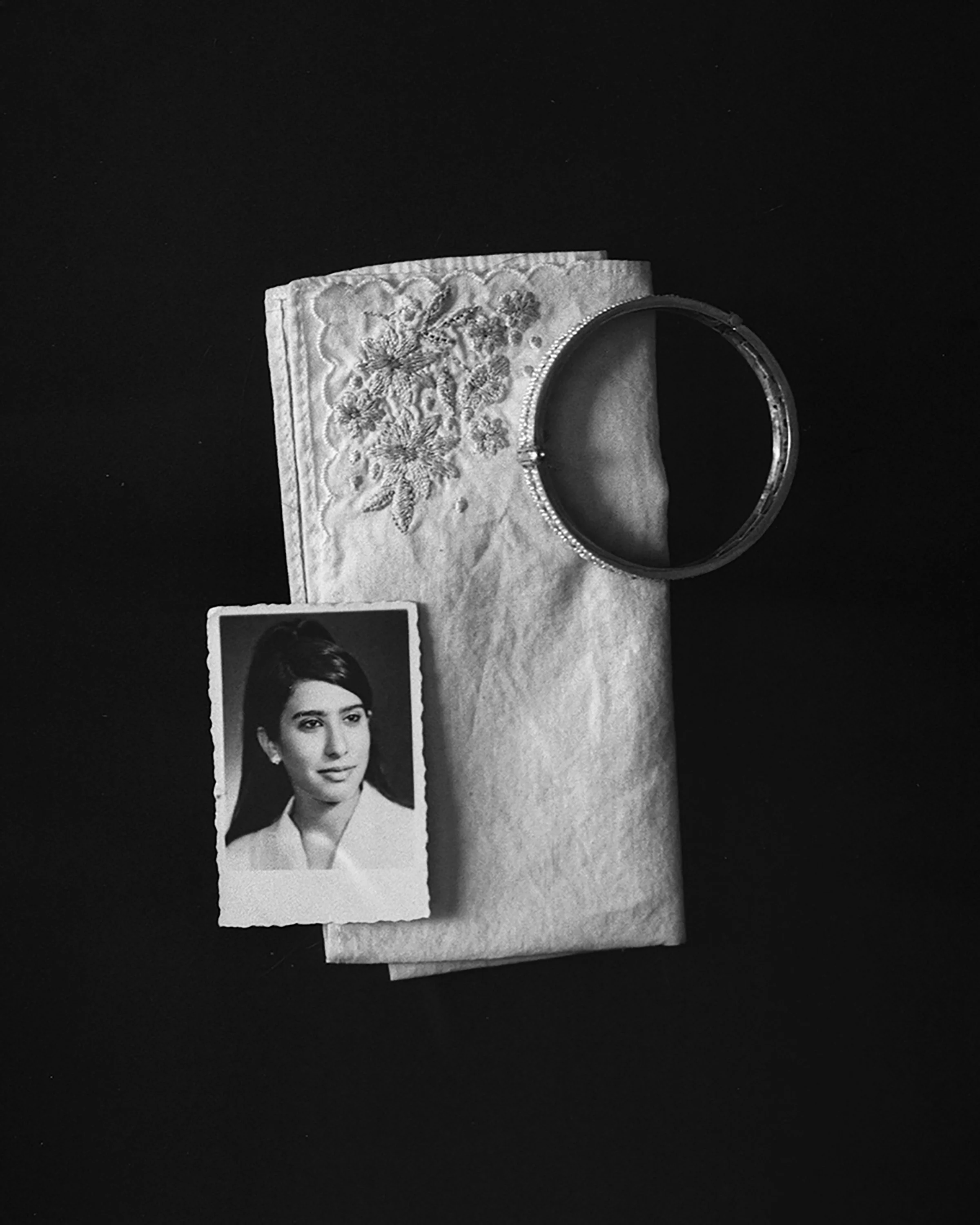
Huda (2021), Dima Assad. Image Courtesy of the Artist.
You've said the stories she told you while you worked became heirlooms themselves. But a story can be retold and a photograph can't be re-shot. Which of the two do you actually trust to survive her?
I think of it more in terms of whether I could pass them on and to whom. And if there is one thing I know will survive me, it is the photographs.
You develop your own film and wait to see what you've got. Your subject is inheritance; your method is an inherited technology that the region's image economy has largely abandoned. Is the analogue part of the argument, or just how your hands work?
The materials I work with play an intrinsic part in my practice. The use of traditional forms of photography and printmaking allows for a slower, more deliberate way of working and it even influences the way I engage with the person I am photographing. There’s also something important to me about the tangibility and permanence of the image, how it comes into being through a chemical reaction, and a photograph doesn’t feel complete unless it takes physical form.
Can you please pick a specific work and describe it to us: the inspiration, the process, what it means to you.
This is one example where I feel like photography fell short for me. There are many times when I would wake up in the middle of the night to a full moon, so striking and luminous, and whatever photograph I took of it could never really convey that, so I started making these woodcuts. I like the way the process requires me to work with light and shadow, as well as with the natural grain of the wood and a limited range of values.
What are you currently working on?
I’m working on a project around Failaka Island in Kuwait as part of my residency at FIKAR Institute. I’ve been really intrigued by the idea of creating fictional work through photography, and learning about the island’s history gave me a starting point for exploring that. It will take the form of a handmade photobook incorporating elements of the island’s ecology, where the images are taken on film that is developed using chemistry made from local algae, and the paper is crafted from native plant fibres.
What is one question that you never get asked about your work that you wish you did – and please answer it here ;)
It’s actually question number 2 regarding being self-taught, so thank you!
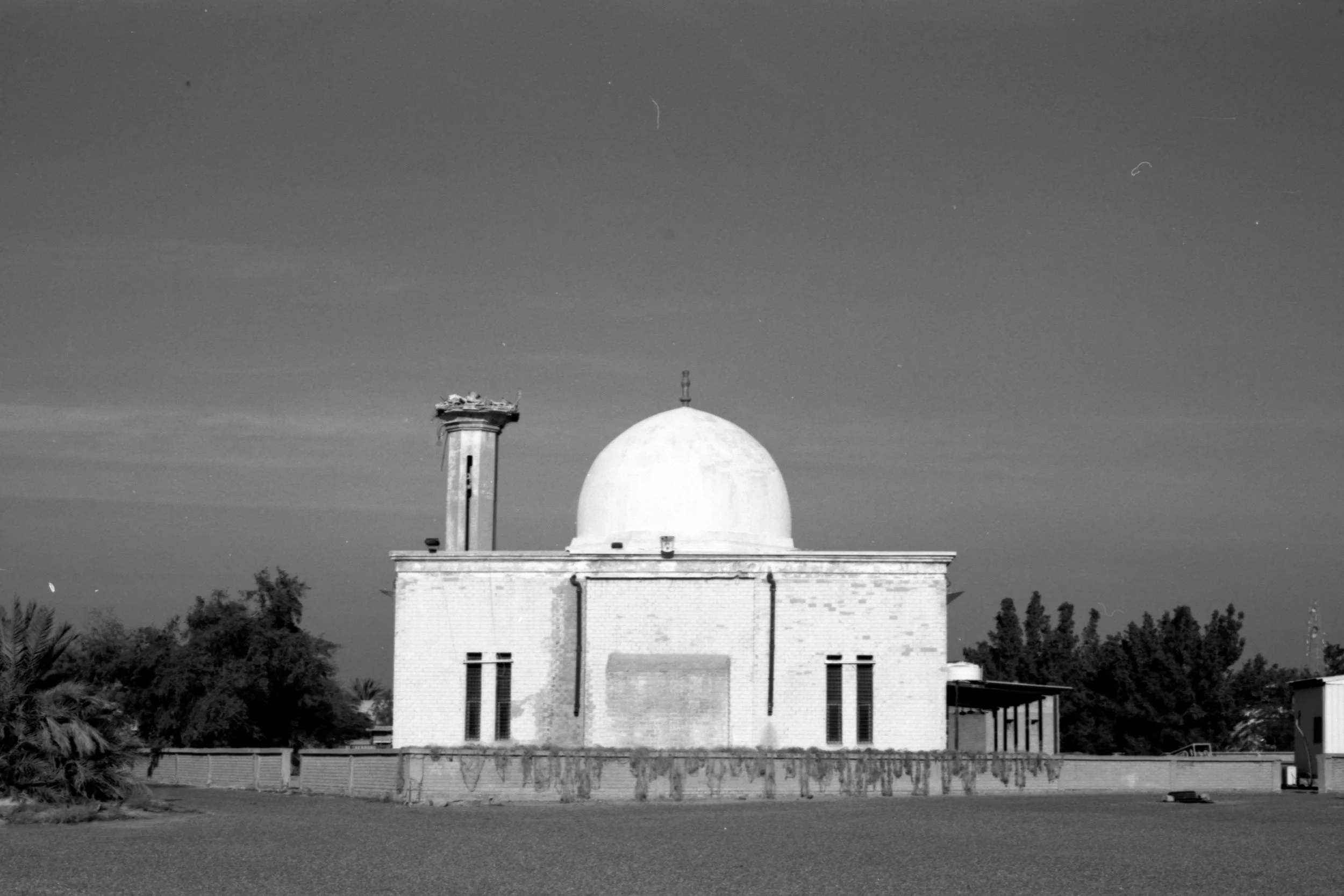
Failaka, Dima Assad. Image Courtesy of the Artist.
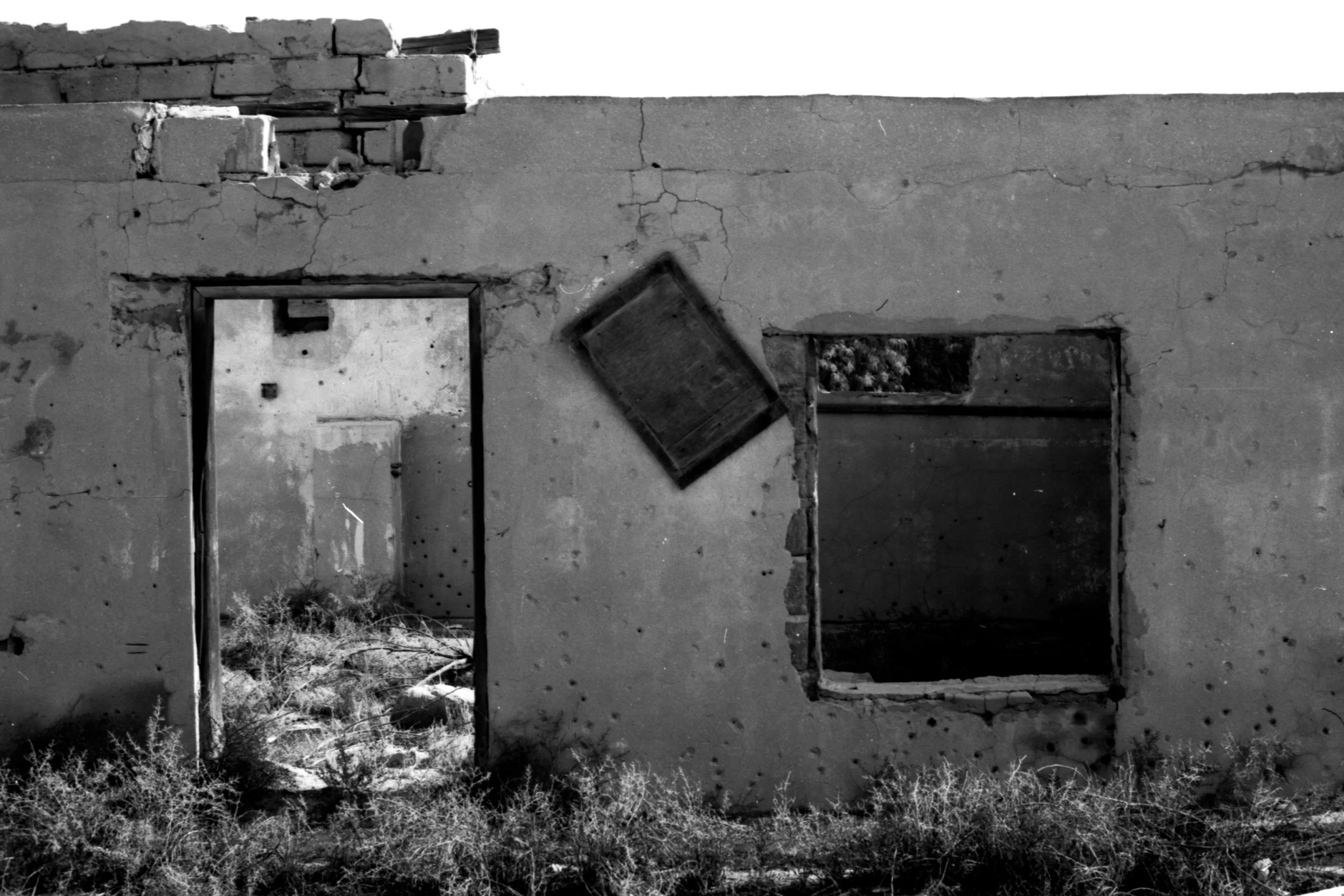
Failaka, Dima Assad. Image Courtesy of the Artist.
