
Hamad AlFayhani
Written by Soraya
Origins of the Image
Hamad Alfayhani speaks about images the way some people speak about memory: as something unstable, emotional, and deeply tied to the body. “I realized that I had a pull towards documenting life,” he recalls, tracing his earliest encounters with visual storytelling back to childhood, when his mother would film him and his siblings with a large camera before replaying the footage on the family television. Those moments of watching himself refracted back through her lens became formative. By the age often, he was obsessively photographing everyday life with a small Nikon Coolpix camera gifted to him by his sisters - lunches, fragments of rooms, fleeting details that, as he laughs now, were “not even really good images.” What mattered was not technical precision but instinct: “framing certain elements of my day as images.”
That instinct would later become inseparable from illness. At twelve, Alfayhani developed an autoimmune condition that led to years of hospital stays and treatment abroad. “You realize that your mind is not in control of your body,” he says quietly, reflecting on the disorientation of being confronted so young with the body’s unpredictability. During treatment in Germany as a teenager, unable to go out and photograph, he retreated into online worlds: Tumblr archives, fragmented photography blogs, Kafka quotes layered over Rothko paintings, old David LaChapelle images. “I was obsessed with just looking at images,” he says. “It became my only pastime. ”
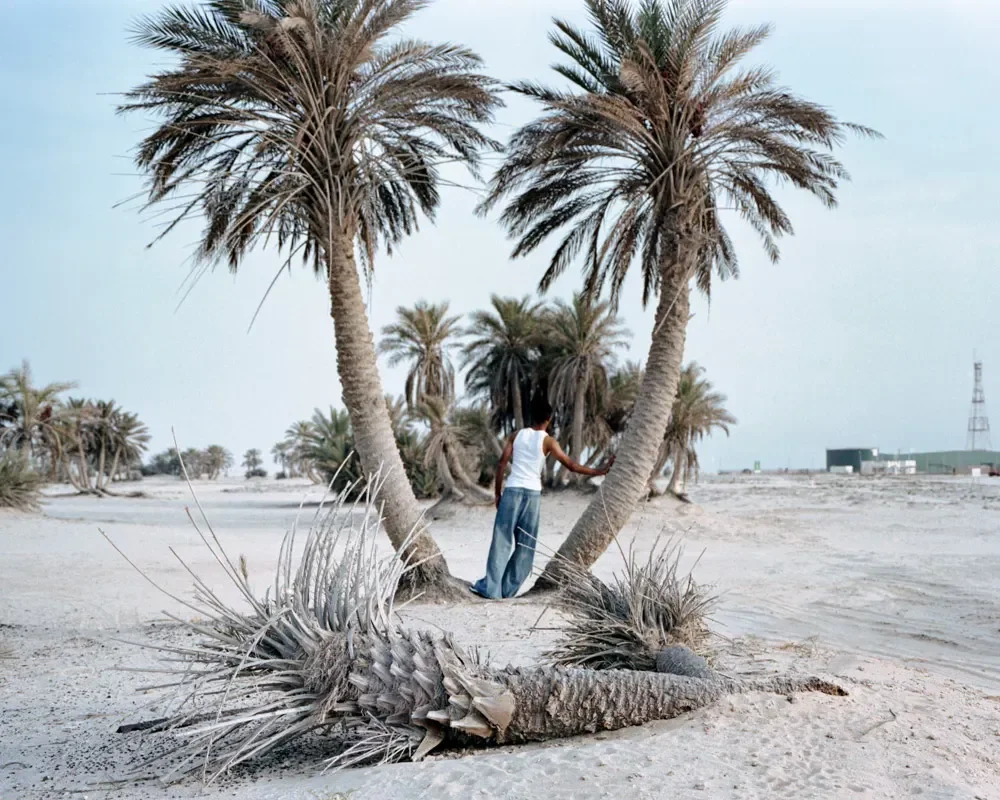
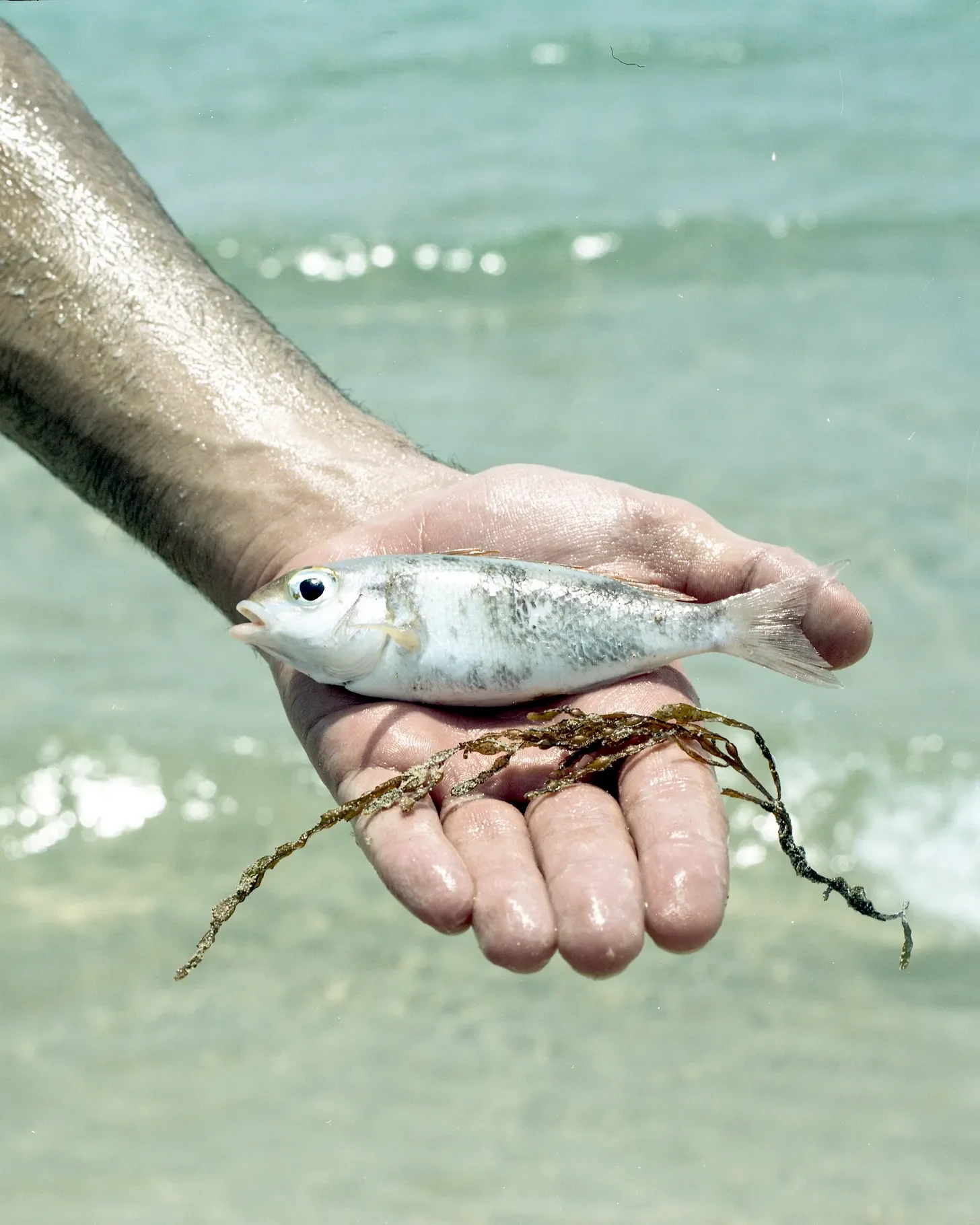
The Body as Subject
The relationship between the body and the image would become central to his practice. While studying film production at Northwestern University in Qatar, Alfayhani began moving more seriously into filmmaking before receiving a commission from the National Museum of Qatar to direct a series of audiovisual installations for the institution’s permanent collection. The experience introduced him to installation-making and to what he describes as his “entry into the fine art world.” Yet even as his practice expanded formally, his concerns remained deeply internal: illness, dependency, vulnerability, masculinity, and the emotional architecture of care.
A turning point came through the writing of Hervé Guibert. Reading Ghost Image, Guibert’s collection of essays on photography, Alfayhani encountered an understanding of images rooted less in technicality than intuition. “He almost had the same ideas of images that I had,” he says. More importantly, Guibert’s frank writing about illness opened something within him. “It kind of opened up this world in my mind where I felt like it’s okay to talk about what my body’s going through.”
For Alfayhani, art became the first language through which he could speak openly about pain. “When I started to make work about it is when I was comfortable enough to talk about it to my friends and family,” he explains. “I felt like if I talked about it, it would make it real.” Instead, his works operate through displacement and abstraction, creating enough distance for him to confront difficult emotions without being consumed by them. “I put the darkness into the work,” he says, “so that outside the work there’s only room for light.”
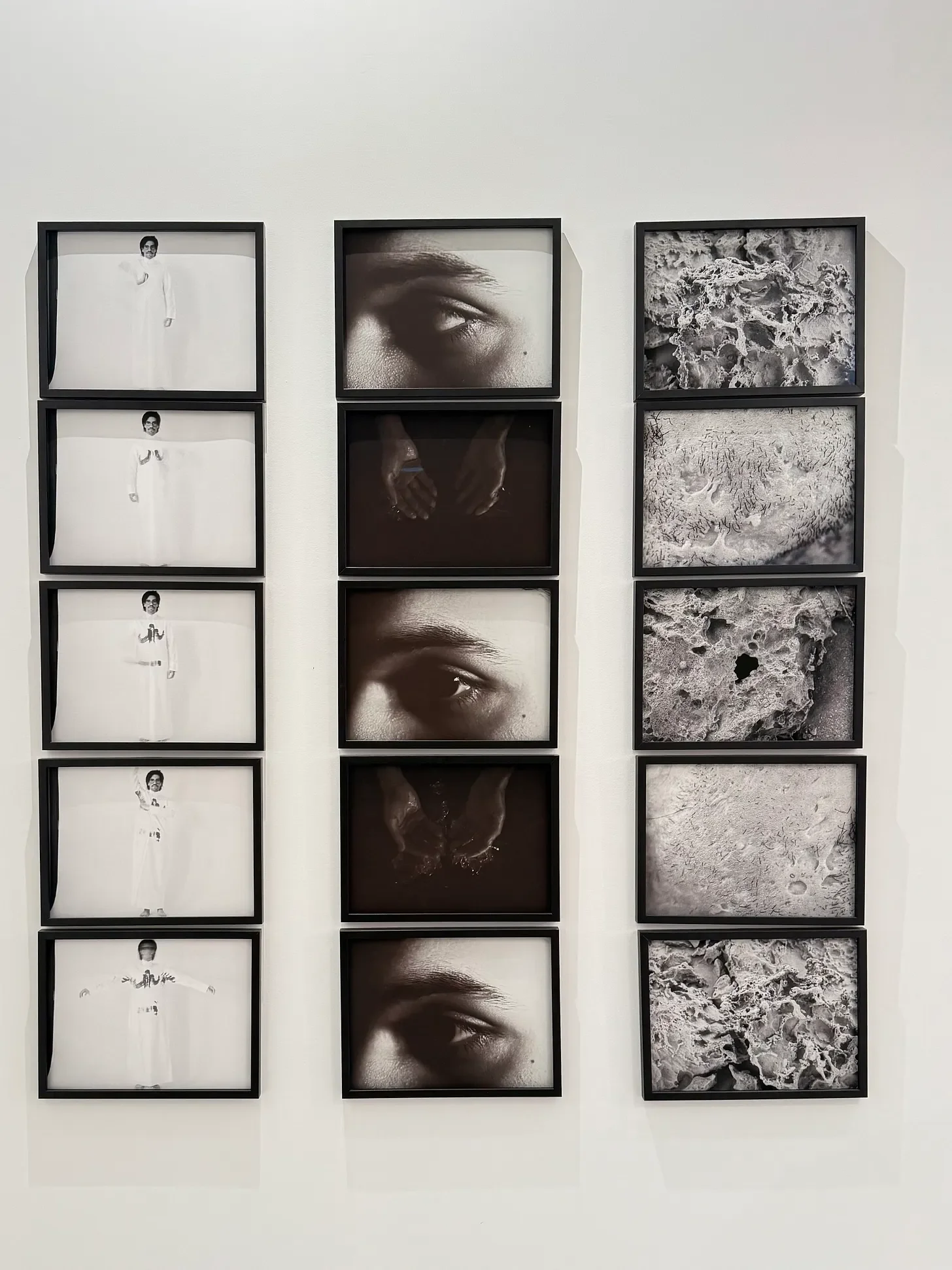
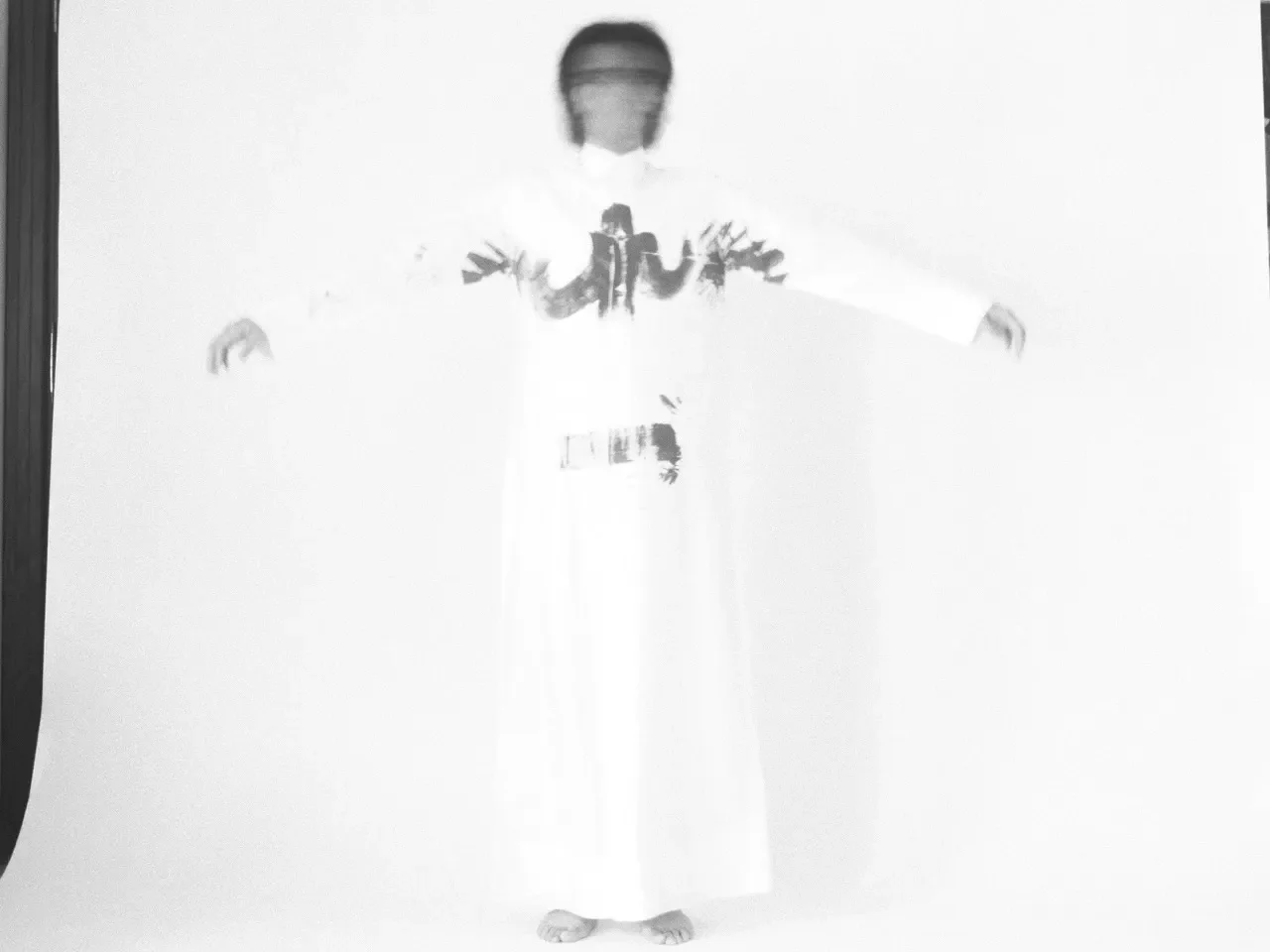
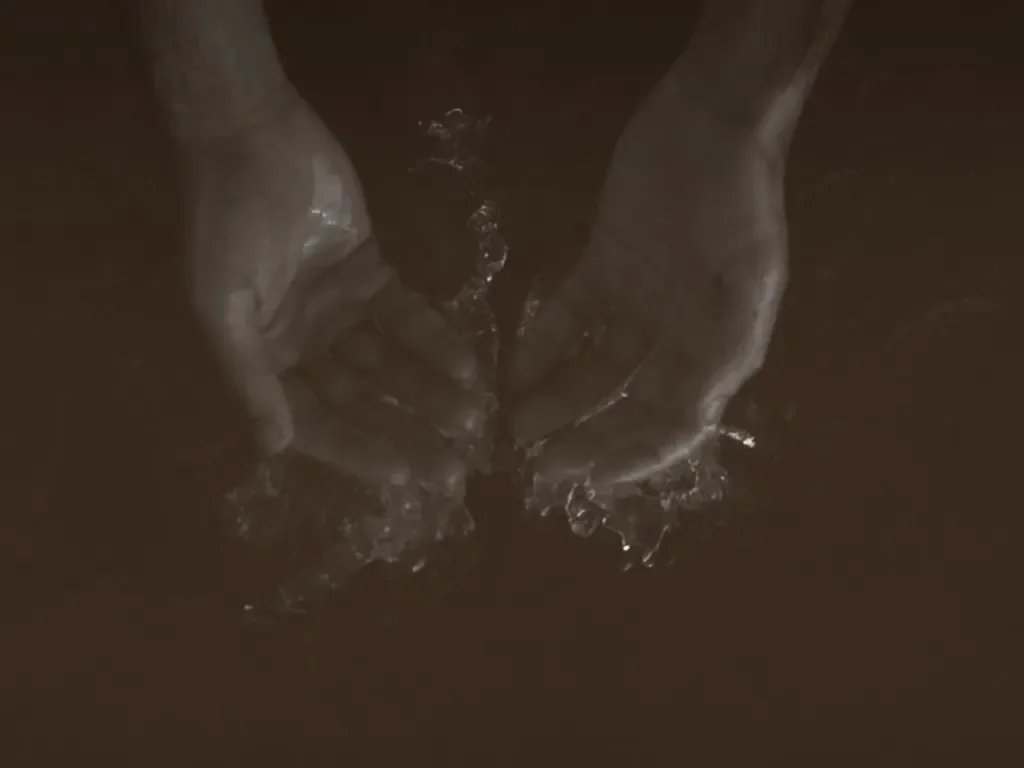
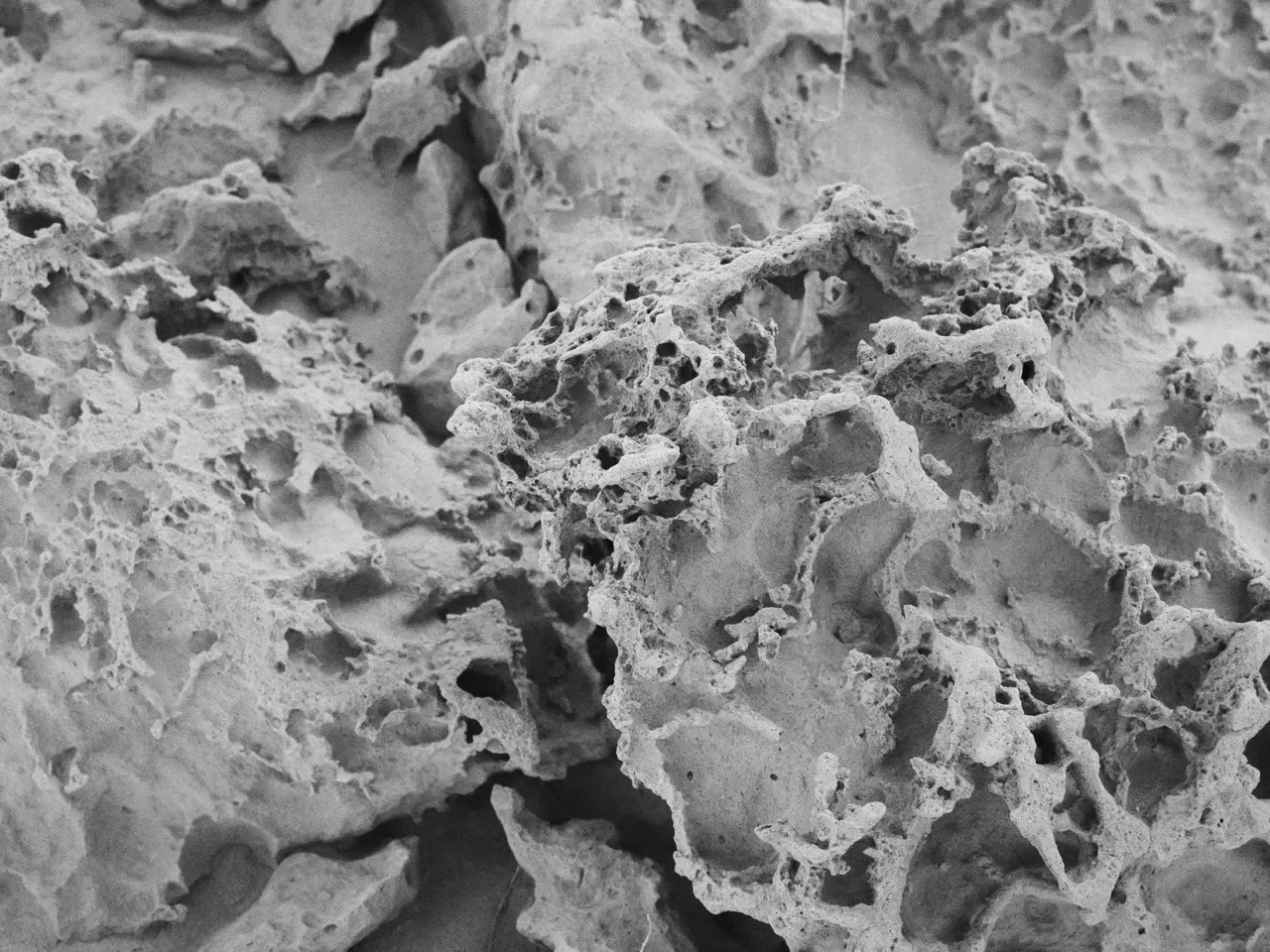
Images Courtesy of the Artist.
The full interview is exclusively in print, Issue 3.
Words Copyright of Naso Art Journal
