
Nicholas Nahab
On MENA Artists, Global Networks, and Cultural Responsibility
Written by Soraya
In recent years, the global art landscape has witnessed a gradual yet decisive shift. Artists from the Middle East and North Africa are increasingly present within international exhibitions, biennials, and collections. Yet questions of framing, infrastructure, and representation remain central: how can these practices move beyond the label of “regional discovery” and be recognized as integral voices within contemporary art?
For this special conversation, Naso Art Journal speaks with Nicolas, one of the founders of NG alongside Samy Ghiyati, a curatorial and advisory platform that operates between exhibitions, institutional collaborations, and collector networks. Positioned between Europe, the United States, and the Middle East, NG has developed projects that emphasize long-term relationships between artists, collectors, and institutions—often working outside traditional art capitals.
Through exhibitions such as Meriem Bennani’s debut solo exhibition in Morocco, and through ongoing collaborations with collectors and cultural institutions, Nicolas articulates a clear vision: repositioning artists from the MENA region not as peripheral contributors but as central participants in a plural, global contemporary art landscape.
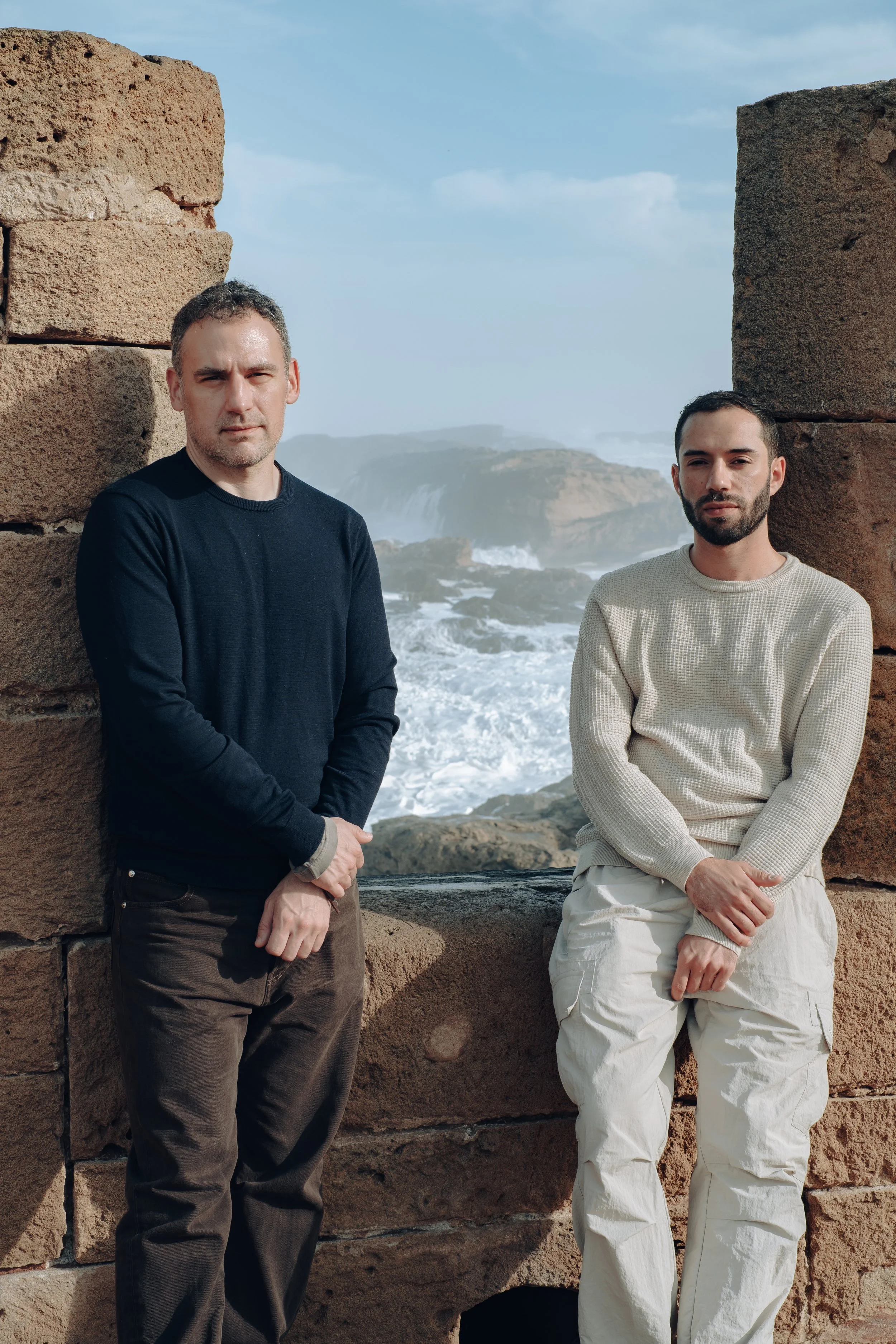
Portrait courtesy of Sara Al Mutlaq
Repositioning MENA Artists in Global Narratives
For Nicolas, the question of representation begins with a structural observation: contemporary art is no longer defined by a single geographic center.
“Contemporary art is inherently plural and its centers are multiple,” he explains. Within this shifting geography, NG sees its role as helping to make that plurality visible through its projects and collaborations.
This commitment unfolds in several ways. In the collections NG advises, the team actively advocates for the inclusion of artists from diverse cultural backgrounds, positioning their practices within dialogues that extend beyond regional categorization. Rather than isolating MENA artists within identity-driven frameworks, Nicolas emphasizes placing them in conversation with leading international practices.
Exhibitions, too, become sites of deliberate positioning. “In the exhibitions we organize, we are intentional about the artists we invite,” he notes, highlighting the importance of selecting practices that resonate both locally and internationally. By presenting exhibitions outside the traditional hubs of the art market, NG challenges the long-standing assumption that cultural legitimacy must originate from a small set of global capitals.
Instead, their projects seek to create environments where artists encounter audiences in a more horizontal dynamic. Through this approach, Nicolas explains, the aim is not only to showcase artists but also to amplify voices that may have been undervalued due to geography, generation, or limited access to dominant networks.
Meriem Bennani’s Exhibition in Morocco
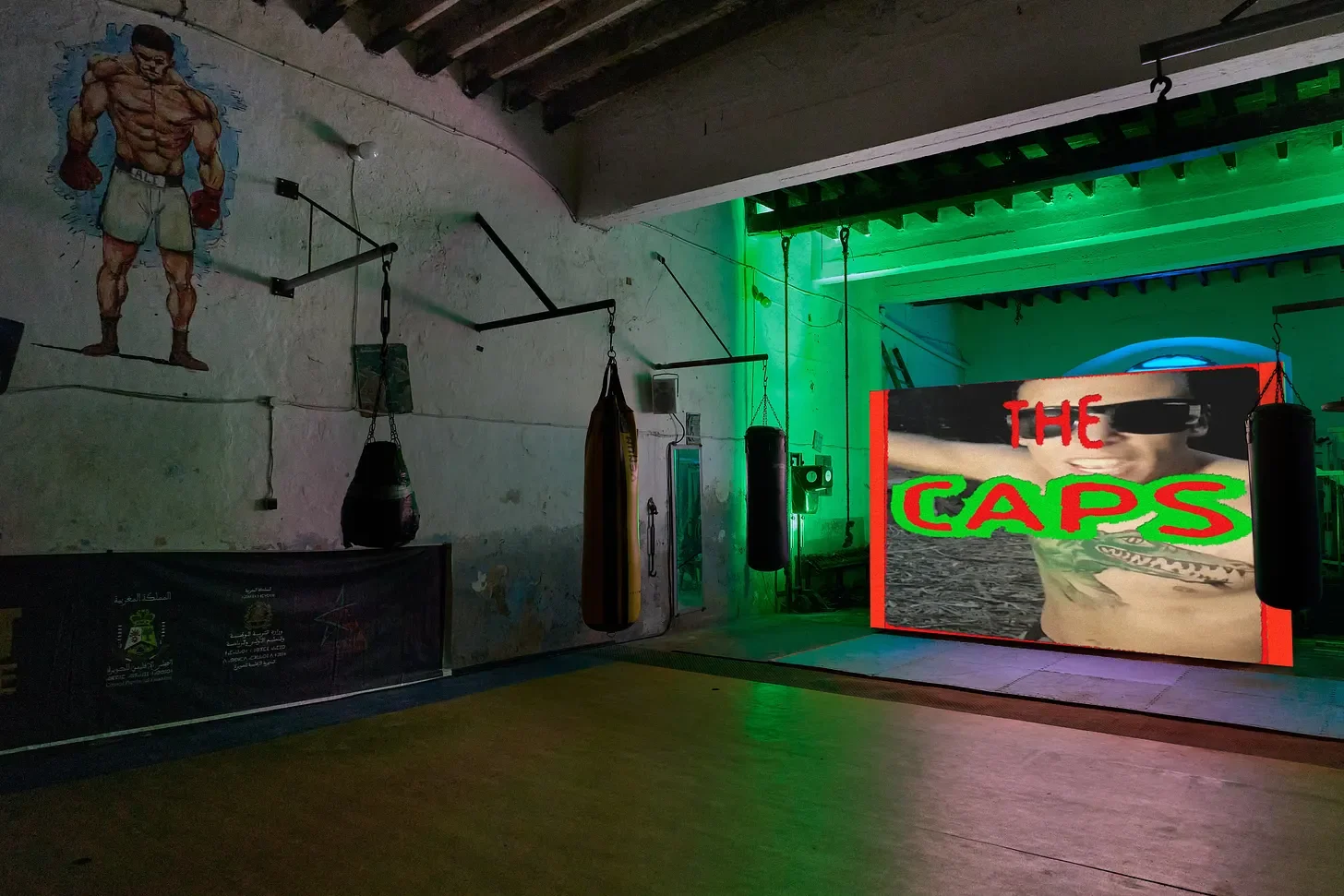
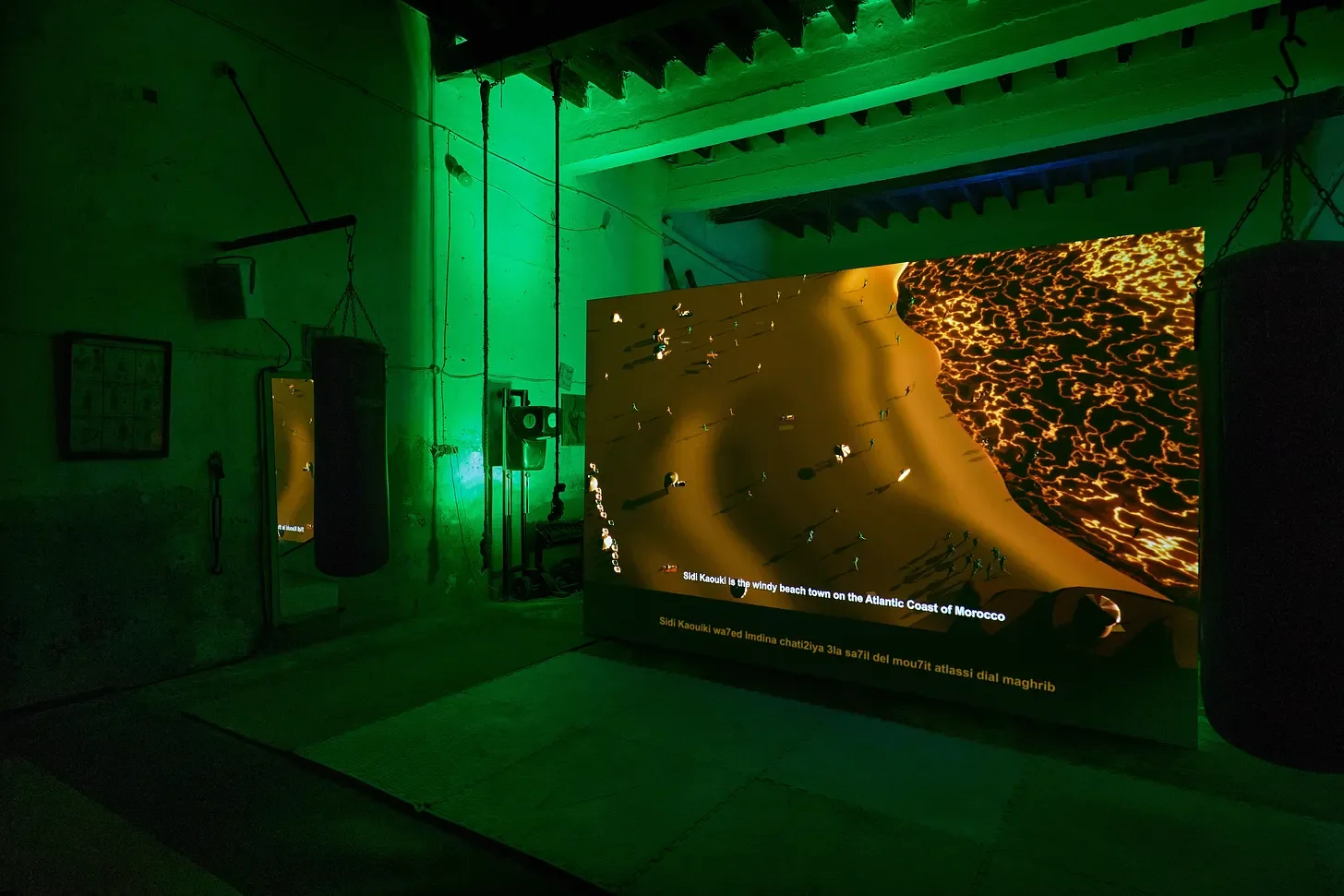
NG’s inaugural exhibition with Meriem Bennani in Morocco illustrates this philosophy in practice. Despite Bennani’s international visibility - her work exhibited across major institutions and exhibitions worldwide - she had never held a solo exhibition in the country where she grew up.
For Nicolas, the project emerged from a shared conversation between artist and organizers. “Our projects always begin with a dialogue that resonates personally with the artist and with us,” he says.
In Bennani’s case, that dialogue centered on the idea of return and cultural anchoring. Presenting the artist’s work in Morocco was not simply a curatorial decision; it was an acknowledgment that international success does not replace the significance of local connection.
“Despite her strong international recognition, she had never had a solo exhibition in the country where she grew up,” Nicolas reflects. Bringing the exhibition to Morocco allowed that absence to be addressed, positioning the artist’s global career within the context of her origins.
The exhibition also reflects NG’s broader curatorial priorities: projects that create meaningful cultural encounters rather than reproducing the existing circuits of the art market.
Building Bridges Between Regions
Operating between European and American art networks, NG has cultivated relationships that allow artists from the MENA region to enter broader institutional and collecting trajectories.
For Nicolas, these connections emerge less from strategic networking than from sustained encounters between people from different parts of the art world.
“We have always operated internationally and enjoyed bringing together people from different backgrounds and roles within the art world,” he says.
Exhibitions often serve as the starting point for these encounters. By inviting international curators and collectors to projects within the region, NG facilitates direct experiences with artists and their work. These moments frequently lead to institutional invitations, acquisitions, and long-term collaborations.
“Exhibitions become catalysts for broader trajectories,” Nicolas explains, aligning regional momentum with the international networks the platform has cultivated.
Collecting and the Formation of a Canon
Within Western collections, Nicolas identifies a persistent gap when it comes to artists from North Africa and the Middle East - but he does not attribute this absence to resistance.
“In many cases, the gap is not resistance - it is information and access,” he observes. Collectors, he says, are often genuinely curious about discovering new artistic practices.
Here, advisory work becomes essential. By introducing artists and providing contextual frameworks, NG helps collectors engage with works that may initially be unfamiliar.
At the same time, Nicolas recognizes the broader economic dynamics shaping the region. The Middle East and Africa are projected to experience significant wealth growth in the coming decade, a shift that will likely deepen regional collecting ecosystems.
For collectors, he suggests, acquiring works by artists from the region today represents more than an act of cultural support.
“Acquiring strong positions in MENA artists today is about participating in the formation of a new cultural canon,” he explains.
Exhibiting Beyond Art Capitals
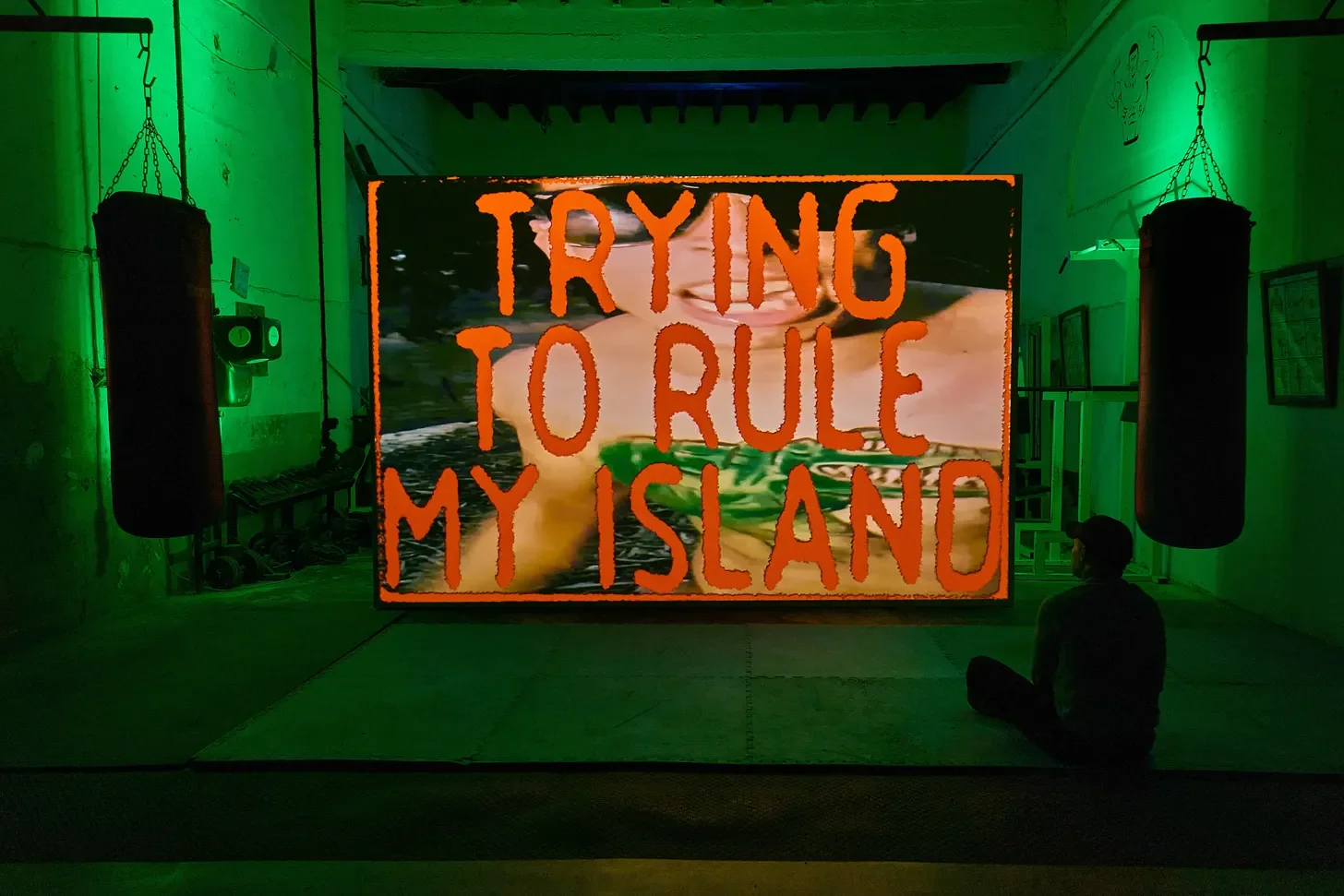
A defining aspect of NG’s approach is its commitment to organizing exhibitions beyond established art capitals. This strategy reflects a dual ambition: bringing contemporary art to locations where it is less frequently encountered, and bringing international audiences to those places.
For Nicolas, the significance of location lies less in geography itself than in the encounters it facilitates.
“What ultimately matters is who encounters the work - who can amplify it, acquire it, write about it, or invite it into institutions,” he explains.
When curators and collectors travel to culturally resonant locations, the experience of encountering an artwork becomes layered with context. The site itself becomes part of the dialogue surrounding the work.
As cultural infrastructures continue to develop across the region, these locations are gradually emerging as nodes within the global art network.A defining aspect of NG’s approach is its commitment to organizing exhibitions beyond established art capitals. This strategy reflects a dual ambition: bringing contemporary art to locations where it is less frequently encountered, and bringing international audiences to those places.
Words copyright of Naso Art Journal.
Image Courtesy:
Meriem Bennani
Life on the Caps Trilogy, 2018-2022
Single-channel video including:
I. Party on the CAPS, 2018-2019
II. Guided Tour of a Spill (CAPS Interlude), 2021
III. Life on the CAPS, 2022
75’ 16”
Edition of 5 plus 2 artist’s proofs
Portraits
© Iman Zaoin
Exhibition images
© NG & Meriem Bennani
