
Donya Abdulhadi
On the Diriyah Contemporary Art Biennale
Written by Nayla
“My role is one of mediation: between worlds, languages, and ways of working and seeing within and beyond borders.”
At the Diriyah Contemporary Art Biennale, what unfolded across the JAX District was not only an exhibition, but the result of an extended process of coordination, dialogue, and translation. Instrumental to this is Donya Abdulhadi, Executive Director of Marketing, Communication and Partnerships at the Diriyah Biennale Foundation.
When Naso sat down with Abdulhadi following the Biennale’s opening, the conversation moved beyond the exhibition as a singular event, and toward the wider ecosystem it reflects and contributes to; how it is built, how it is held together, and what it leaves behind within the cultural landscape in which it operates.
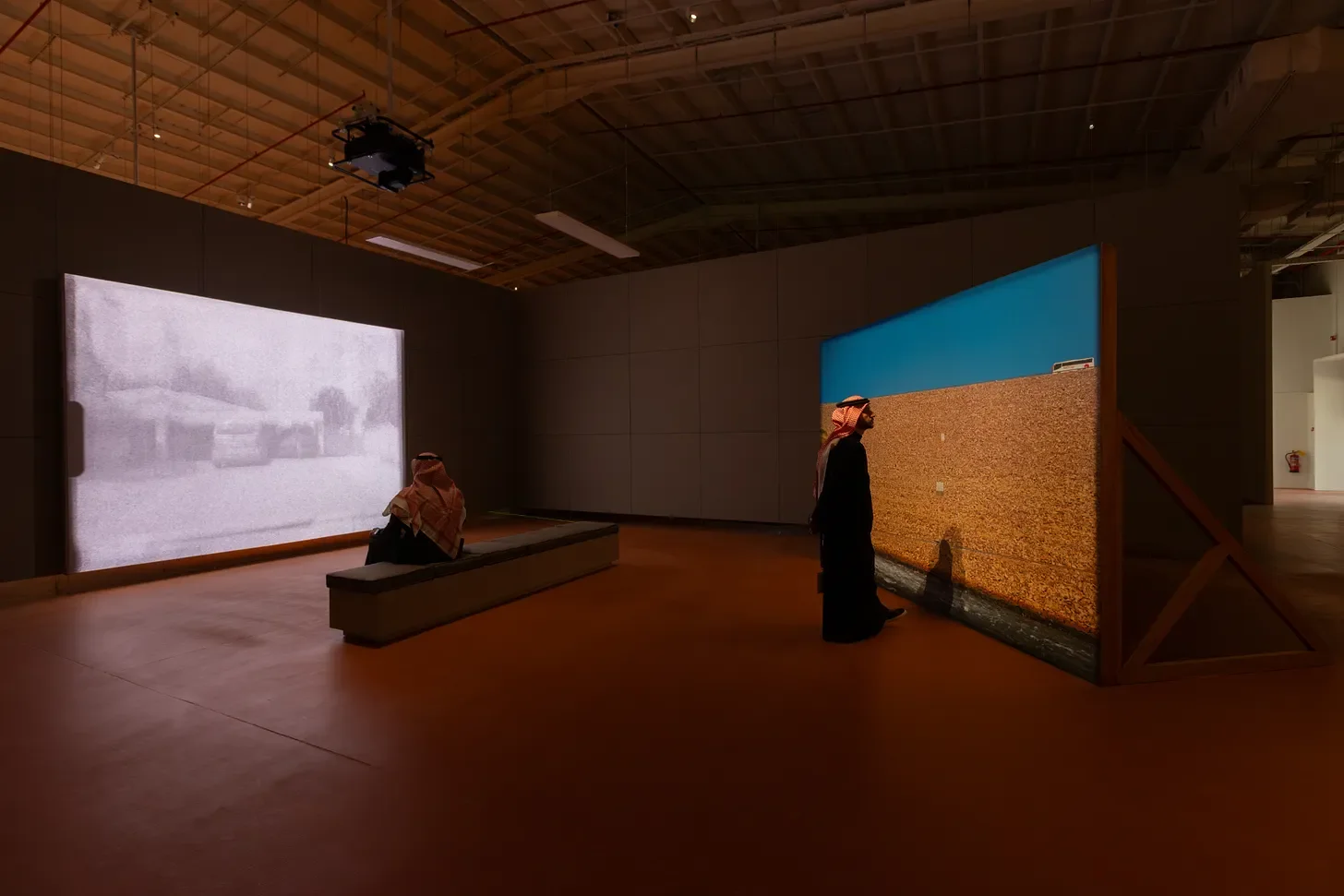
Image credit Alessandro Brasile, courtesy of Diriyah Biennale Foundation
On Reading the Present
Abdulhadi describes this edition of the Biennale as “a way of reading the present, a kind of diagnostic lens through which change in Saudi Arabia, and perhaps the Arab world at large, can be understood.”
“Change here happens through moments of consolidation, periods of experimentation, and necessary acts of recalibration.”
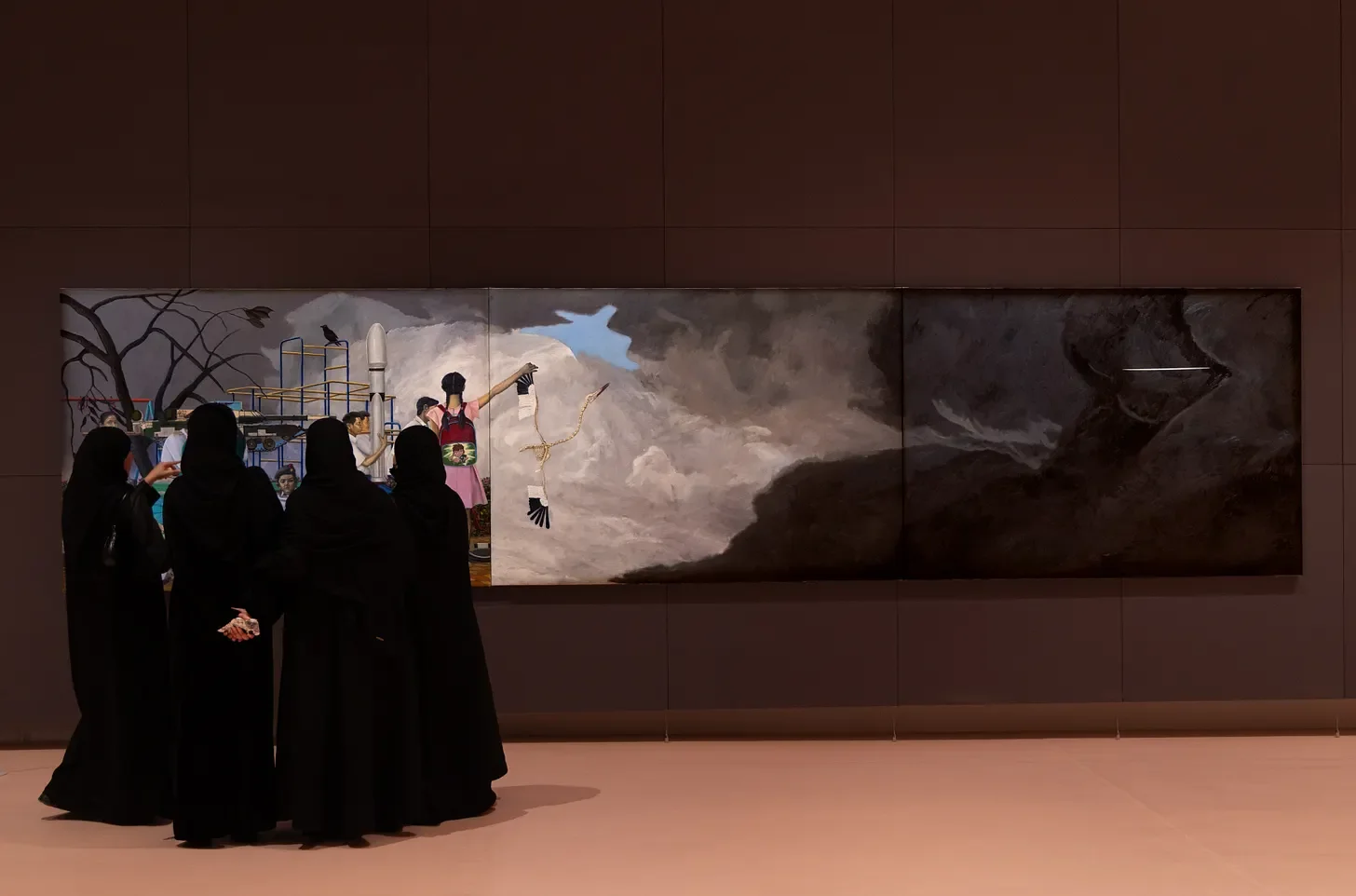
Image credit Alessandro Brasile, courtesy of Diriyah Biennale Foundation
On Movement and the Logic of the Exhibition
One of the earliest and most defining conversations around the exhibition centred on its title. What shaped this process was a concern with grounding the Biennale in the cultural moment unfolding across the region; allowing the title to hold a sense of place and lived experience.
Out of this process came Fil hel wel terhal; In Interludes and Transitions; a phrase that felt, in her words, “both precise and open-ended but more importantly, rooted in Arabic linguistic expression.”
“Much of the conversation related to movement… as a condition of life, of culture, and of societies,” she explains, describing it as “movement in many forms: intentional, uncertain, cyclical, and shaped by wind like movement across deserts, its pauses, shifts, and recalibrations, connecting the Arab world with other lands.”
Coherence emerges through rhythm rather than reduction, “[it’s] not about reducing complexity, but about giving it rhythm.”
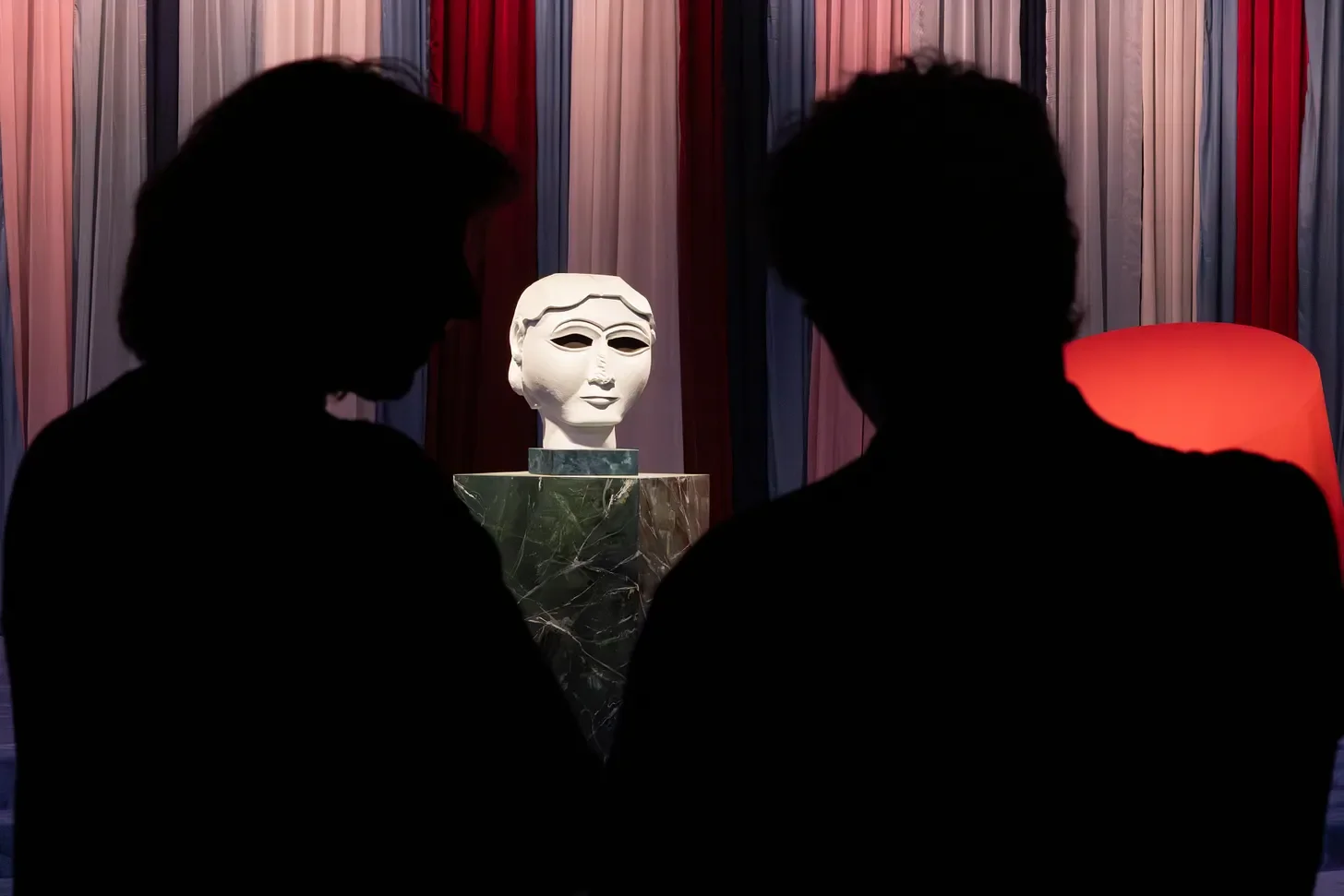
Image credit Alessandro Brasile, courtesy of Diriyah Biennale Foundation
On the Biennale Taking Form
For Abdulhadi, the moment the Biennale began to take on a distinct identity was not tied to a single work in isolation, but to the opening procession itself. Folding the Tents by 7amdan became a point of crystallisation; one that reframed how the exhibition could be understood.
“It reframed a nation often described through acceleration and ambition in terms of a longer continuum rather than a sudden rupture.”
“In that moment, the Biennale revealed itself as a living movement that we are all part of in different ways.”
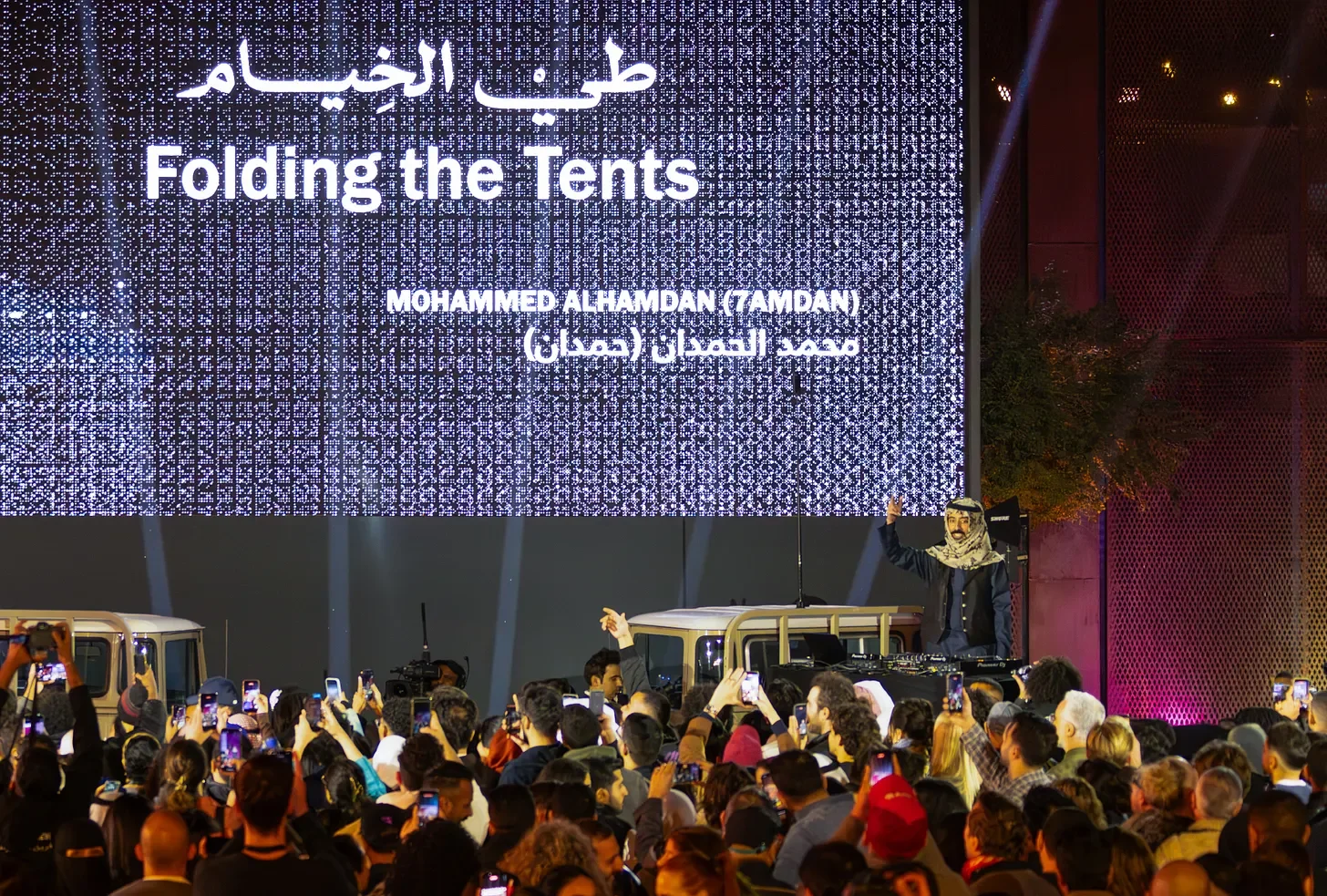
Image credit Alessandro Brasile, courtesy of Diriyah Biennale Foundation
On Building the Biennale
To build a project of this scale, Abdulhadi describes the process as requiring “a kind of ambidexterity, being at once a thinker and a doer.”
The Biennale takes shape through a dense network of relationships; “an intricate, fast-moving organism that depends on coordination, trust, and an extraordinary amount of care.”
“You commit to building it, and over time it shapes you.”
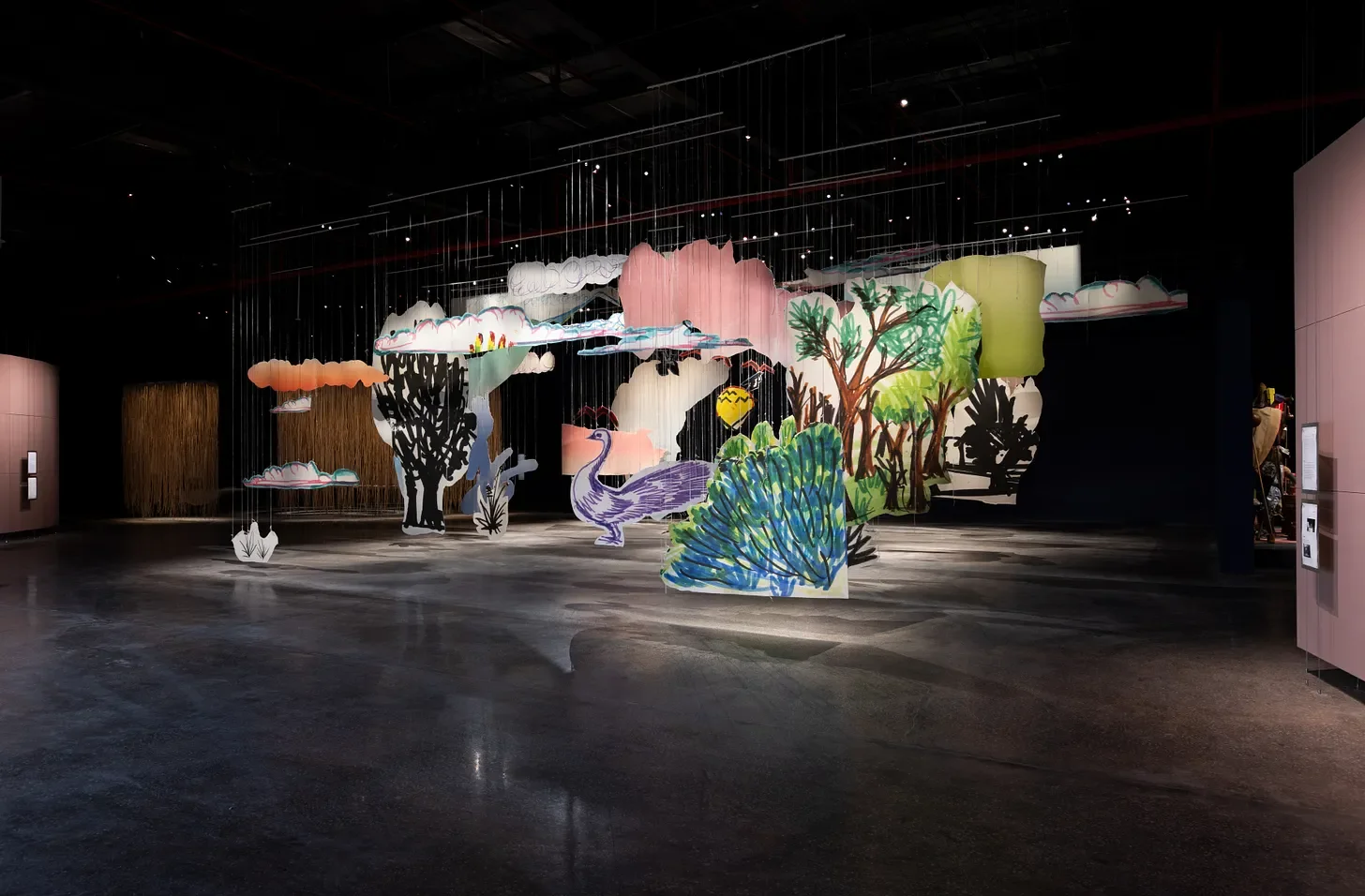
Image credit Alessandro Brasile, courtesy of Diriyah Biennale Foundation
Words copyright of Naso Art Journal.
Images by Alessandro Brasile and courtesy of Diriyah Biennale Foundation.
The full feature is exclusively in Issue 3 of Naso Art Journal.
