
Beyond Representation: Rethinking Artistic Careers in the Contemporary Art Market
The End of the Gallery Monopoly?
For more than a century, the commercial gallery has occupied a central position within the contemporary art ecosystem. Galleries have traditionally functioned as tastemakers, market makers, and career architects. They cultivated collectors, managed artists’ careers, facilitated museum acquisitions, and established market legitimacy through exhibitions and art fair participation.
Yet the conditions that made this model dominant have changed dramatically.
The contemporary art market is no longer defined by a single route to success. Digital platforms, direct-to-collector sales, online marketplaces, artist-run initiatives, independent curators, social media, newsletters, and decentralized communities have fundamentally altered how artists gain visibility and generate income. Representation remains valuable and for many artists, highly desirable but it is no longer the sole pathway toward professional sustainability.
The more relevant question today is not whether galleries matter. They do.
Rather, the question is whether artists can build meaningful, financially viable, critically respected careers without depending exclusively on gallery representation.
Increasingly, the answer is yes.
The implications reach far beyond individual careers. They point toward a broader restructuring of power within the global art market.
The Historical Role of Galleries and Why It Is Changing
Commercial galleries emerged as intermediaries because they solved three fundamental problems.
They provided visibility.
They built trust between artists and collectors.
They created scarcity by carefully managing supply, pricing, and exhibition opportunities.
Before the internet, these functions were difficult for artists to perform independently. Access to collectors required physical spaces, extensive networks, printed catalogues, art fairs, and institutional relationships.
Today many of these barriers have weakened.
Artists communicate directly with audiences through Instagram, newsletters, podcasts, YouTube, Patreon, personal websites, and digital exhibitions. Collectors increasingly discover artists online before ever visiting a gallery. Curators research artists digitally. Museum professionals often encounter new practices through social media before formal introductions occur.
The gallery remains influential but it no longer controls access to visibility.
This represents one of the most significant structural changes in the contemporary art economy.
The Rise of the Artist as Entrepreneur
Perhaps the defining characteristic of the twenty-first century artist is the expectation that creative practice and entrepreneurship coexist.
This shift has not occurred because artists suddenly desired to become marketers. Rather, economic necessity has expanded the professional role of the artist.
Today’s successful independent artists often function simultaneously as:
Studio practitioners
Brand strategists
Small business owners
Content creators
Community builders
Grant writers
Archivists
Project managers
Educators
While some critics lament this evolution as a symptom of neoliberal culture, it also grants artists unprecedented agency over their careers.
Rather than waiting for institutional validation, artists increasingly build audiences first and institutions later.
Many galleries now approach artists whose markets have already been established independently: a reversal of the traditional model.
Representation increasingly follows success rather than creating it.
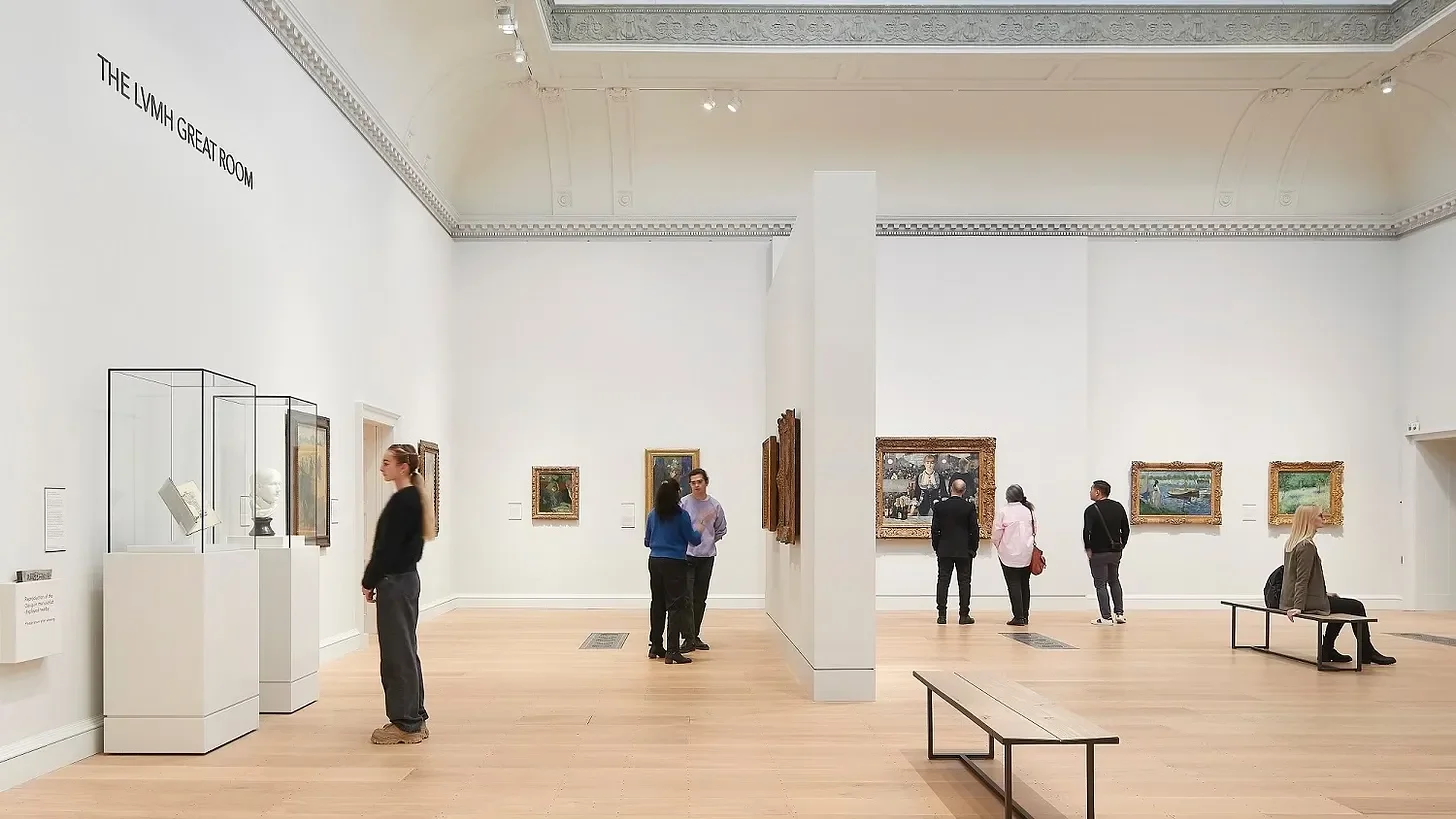
Courtesy of the Courtauld Gallery
Courtesy of the Courtauld Gallery
Direct-to-Collector Economies
One of the most significant developments in today’s market is the normalization of direct sales.
Collectors are increasingly comfortable purchasing artwork directly from artists through websites, online studios, digital viewing rooms, or social media.
Several factors have accelerated this trend:
Increased transparency around pricing
Improved international shipping infrastructure
Secure online payment systems
Greater trust developed through sustained digital engagement
Younger collectors accustomed to purchasing luxury goods online
Unlike previous generations, Millennials and Gen Z collectors often discover artists independently before consulting galleries.
This changes the economics considerably.
Without gallery commissions,which typically range from 40% to 50%, artists retain greater revenue per sale.
However, they also assume responsibilities traditionally handled by galleries:
client communication
shipping logistics
invoicing
conservation documentation
contracts
collector relationships
inventory management
pricing consistency
Financial independence therefore requires professional infrastructure.
Freedom comes with administrative labour.
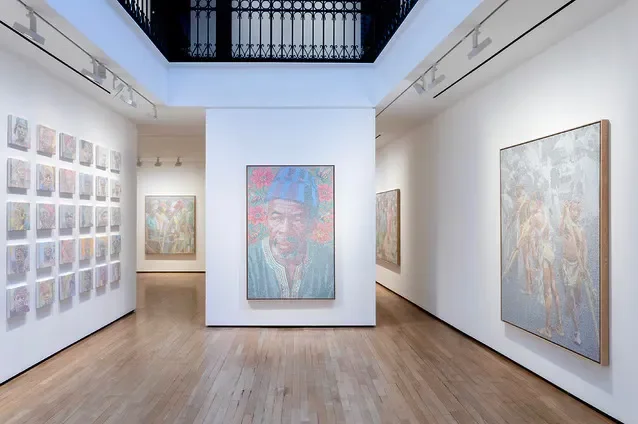
Courtesy of Templon Gallery
Visibility Has Become Decentralized
Visibility once flowed almost exclusively through institutions.
Today it emerges through networks.
A feature by an independent curator may generate more meaningful engagement than a conventional exhibition.
A thoughtfully written newsletter can outperform expensive advertising.
An interview on a respected podcast can reach more collectors than a regional gallery opening.
Artist-run spaces, residency programs, collaborative exhibitions, online publications, independent criticism, and interdisciplinary partnerships increasingly shape cultural discourse alongside traditional institutions.
The contemporary art world has become more distributed.
Influence no longer resides exclusively in museums or blue-chip galleries.
Instead, credibility accumulates across multiple interconnected communities.
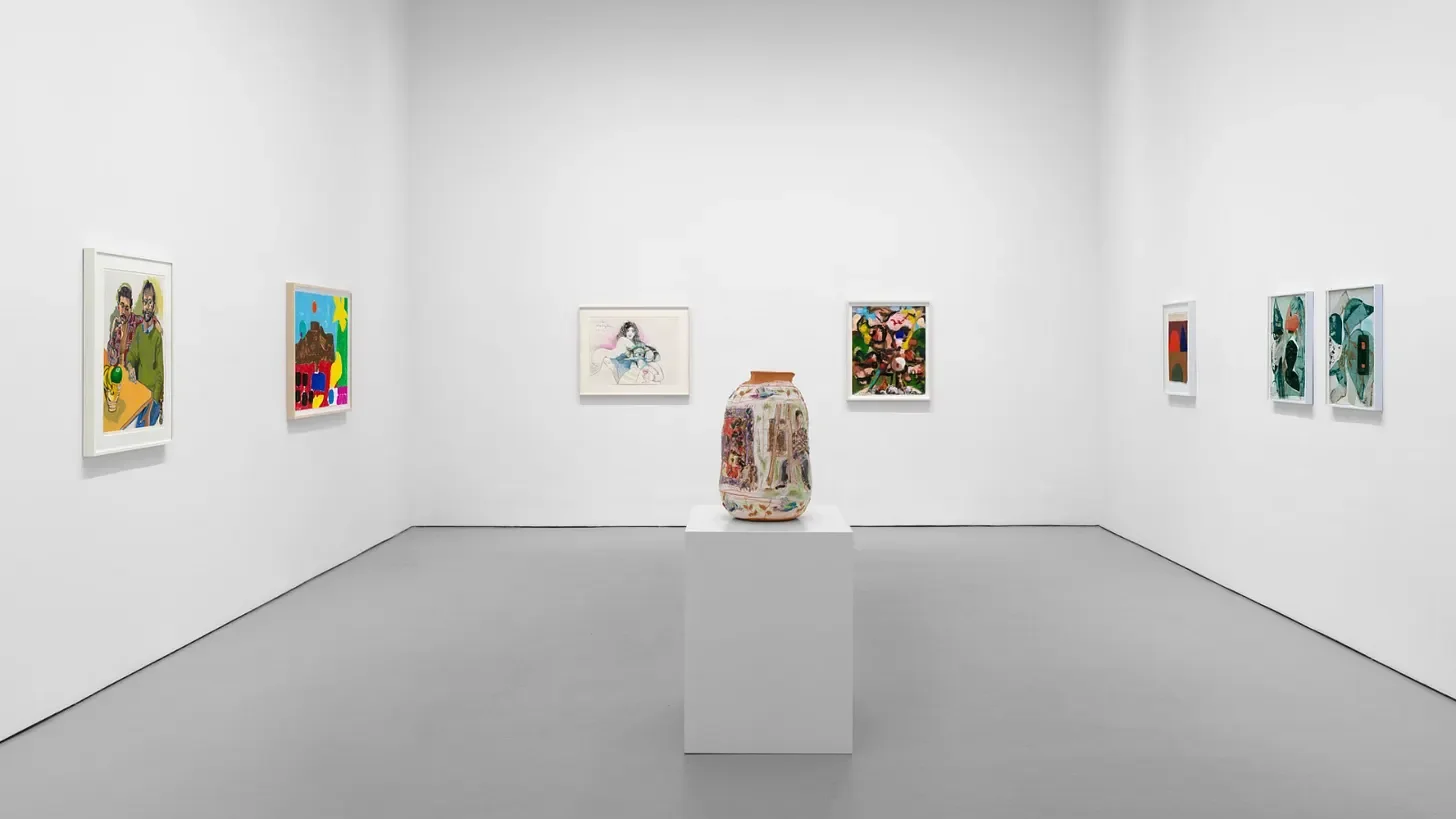
Courtesy of Templon Gallery
Social Media: Opportunity, Visibility, and the Illusion of Success
The most resilient independent artists therefore approach social media not as the foundation of their practice, but as one component within a broader communications strategy. Their digital presence is reinforced by professionally maintained websites, mailing lists that establish direct relationships with collectors and supporters, carefully documented archives of their work, participation in exhibitions, collaborations with curators and writers, public lectures, publications, and sustained engagement with professional networks that exist beyond the digital sphere. These interconnected channels create a more durable form of visibility one that is less susceptible to the volatility of platform economies and more capable of supporting long-term career development.
Ultimately, the most valuable asset an artist can cultivate is not a large following but genuine ownership of their audience. In an increasingly fragmented digital landscape, the ability to communicate directly with collectors, institutions, and supporters without relying entirely on the changing priorities of technology companies has become a form of professional independence in its own right. Social media remains an extraordinarily powerful tool for discovery and connection, but its greatest value lies in its capacity to open doors rather than to sustain the structures that exist beyond them.
The New Currency: Trust
Perhaps the most significant transformation within today’s art market is not simply the redistribution of visibility, but the redistribution of trust. For much of the twentieth century, commercial galleries functioned as the primary arbiters of artistic legitimacy, offering collectors and institutions a degree of confidence through their reputation, expertise, and curatorial judgement. Representation by an established gallery signalled quality, stability, and market confidence, positioning the gallery itself as both advocate and guarantor of an artist’s career. While these institutions continue to play an influential role, trust is no longer generated through a single point of validation. Instead, credibility is built through an increasingly interconnected network of voices, experiences, and professional relationships that collectively shape an artist’s public standing.
Today, an artist’s reputation is accumulated incrementally through a combination of thoughtful critical writing, curatorial endorsements, institutional exhibitions, transparent pricing, sustained artistic development, professional communication, educational engagement, and the confidence inspired by collectors who invest not only financially but intellectually in an artist’s practice. Rather than depending upon the approval of a single gatekeeper, artists cultivate trust through consistency, openness, and the long-term coherence of their work. In this increasingly decentralised ecosystem, authority has become distributed rather than concentrated, reflecting a broader shift within the contemporary art world in which reputation is no longer bestowed by one institution alone but earned through a sustained dialogue between artists, audiences, critics, collectors, and cultural organisations.
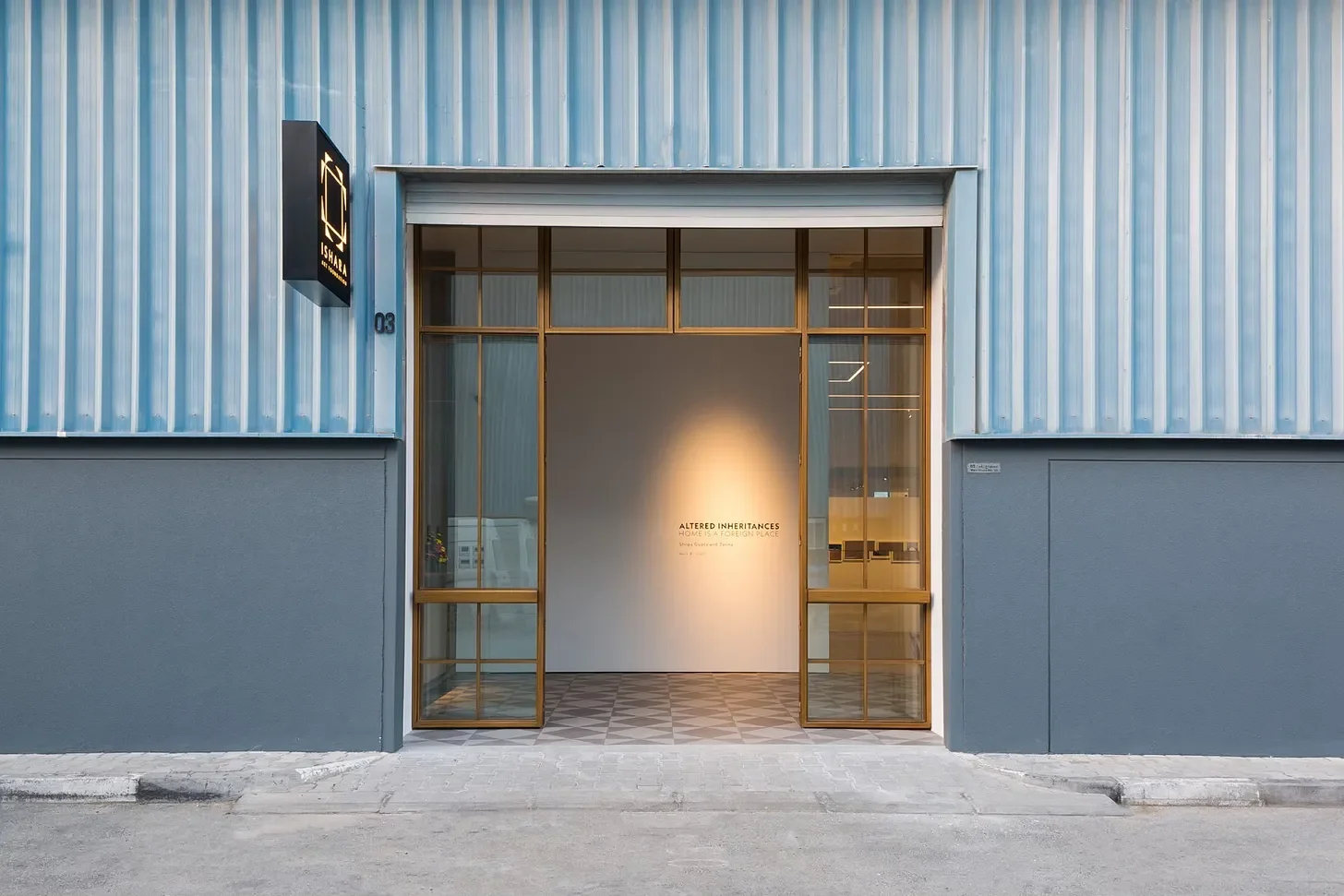
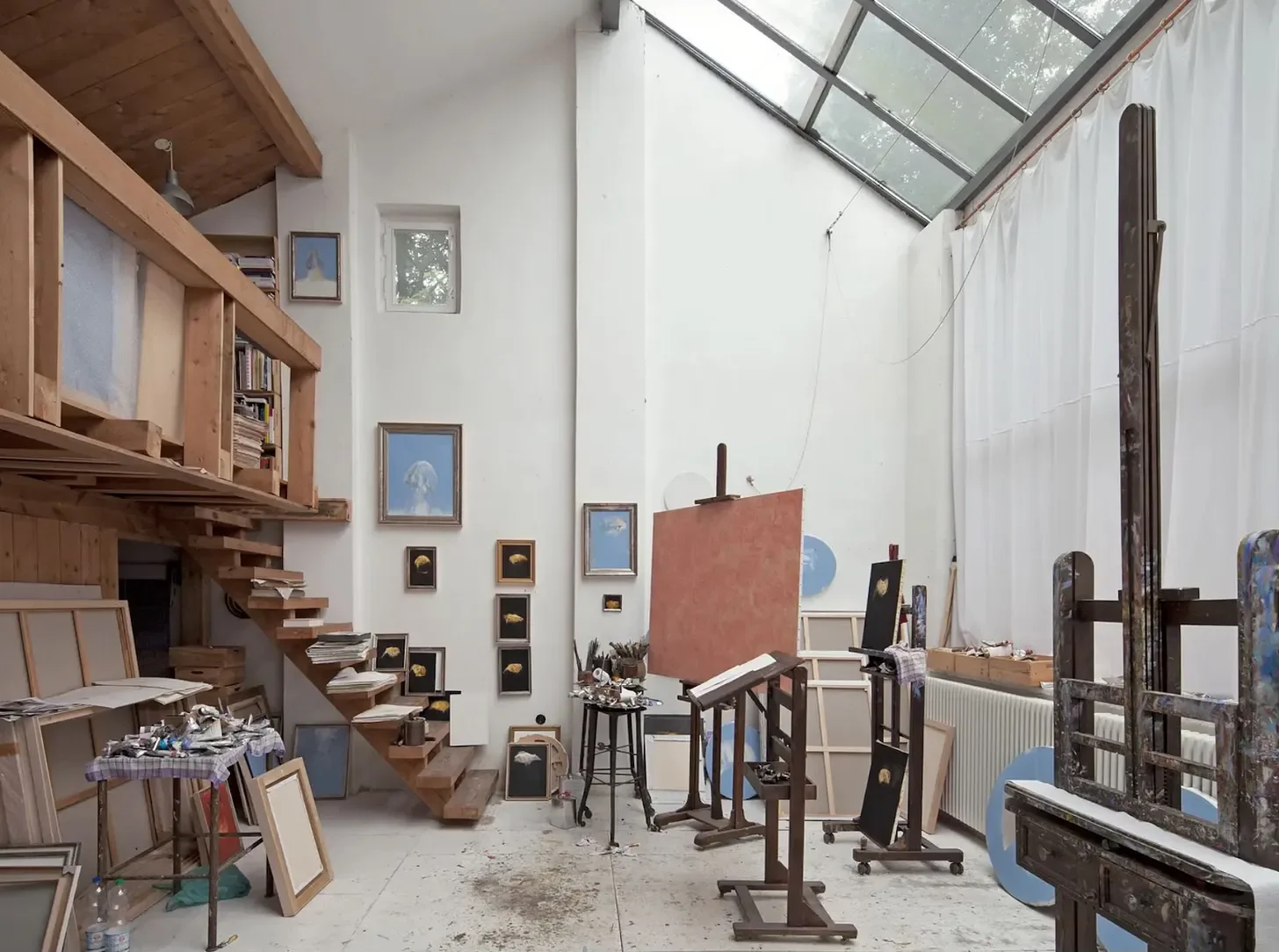
Courtesy of Alserkal
Rethinking Success
As the structures of the art market have become increasingly decentralised, so too have the pathways through which artists establish meaningful and enduring careers. Today, many highly respected practitioners operate through hybrid models that combine independent studio practice with project-based gallery collaborations, partnerships with curators, direct relationships with collectors, digital platforms, artist-run initiatives, public commissions, and interdisciplinary collaborations. Professional success is no longer defined by adherence to a single career trajectory, but by an artist’s ability to build a practice that is both sustainable and intellectually coherent within an evolving cultural landscape.
This shift reflects a broader redefinition of what it means to sustain a career in the arts. For some artists, success continues to be measured through institutional recognition and museum acquisitions; for others, it lies in achieving financial independence, cultivating a dedicated collector base, contributing meaningfully to local artistic communities, or maintaining the creative autonomy to pursue ambitious and experimental work without commercial constraint. Increasingly, the healthiest and most resilient careers are those that align professional structures with personal values rather than inherited expectations of what an artistic career ought to resemble. In an era where opportunities are more diverse and less centrally controlled than ever before, success has become less about conforming to a prescribed model and more about constructing a practice that reflects an artist’s own ambitions, priorities, and definition of impact.
Words copyright of Naso Art Journal
