
Beirut, Amman, and the Art Market Across the Levant
The Levantine art market is often approached through its most visible cultural centres, with Beirut remaining central to that reading. Its galleries, museums, foundations, publishers, archives, collectors, and independent platforms have shaped the region’s artistic life for decades, producing one of the clearest points through which modern and contemporary Arab art has been encountered. Around this history, a broader cultural field has taken shape across Amman, Ramallah, Damascus, and diasporic routes, where artists are supported through institutions, galleries, archives, education, foundations, and forms of circulation that do not always follow the most visible market models.
Courtesy of Amman Design Week
For this reason, the region is difficult to read through market language alone. Fairs, auctions, gallery districts, and major collecting centres may offer useful points of reference, but they do not fully account for how artists gain visibility, or how their work is preserved, discussed, collected, and moved between contexts. Across the Levant, the market is closely tied to forms of cultural work that often sit beside or around commercial exchange, from archives and museums to cultural centres, private collections, educational initiatives, and independent platforms.
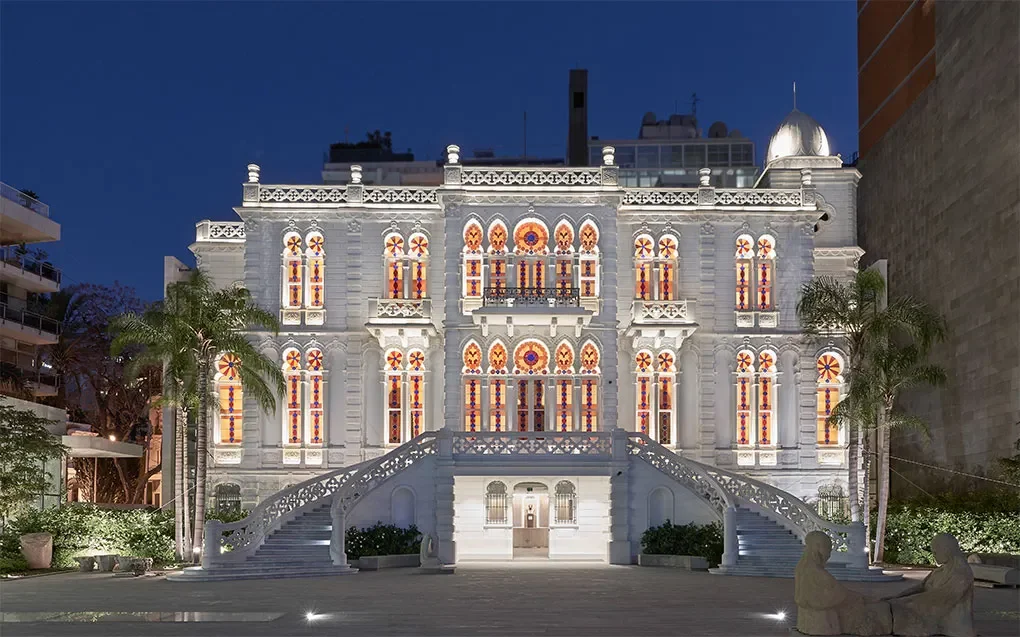
Beirut remains the clearest place to begin because many of these forms have existed there together. Its role in the Levantine art market is not only linked to galleries and collectors, but to a broader cultural field shaped by museums, foundations, publishing, criticism, archives, and independent initiatives. The Sursock Museum, whose collection includes works by predominantly Lebanese artists from the late nineteenth century to the early 2000s, holds an important place in this history. Its collection points to the relationship between institutional memory and artistic value, where modern and contemporary practices are preserved, studied, and made available within a public framework.
Beyond the museum, Beirut’s cultural life has also been shaped by spaces that operate outside strictly commercial models. Ashkal Alwan has played an important role in supporting artistic production, critical thinking, education, and exchange between practitioners and institutions. The Arab Image Foundation offers another example through its work with photographic collections, archives, preservation, and access. These spaces matter to the market because they help shape the conditions around artistic practice. They support research, produce discourse, preserve histories, and create forms of recognition that may later enter commercial or institutional circulation.
Beirut’s position is also shaped by the present conditions under which its cultural workers continue to operate. Economic crisis, political instability, and repeated disruption have altered the ways artists, galleries, institutions, and collectors work. The city continues to carry significant cultural weight, while its artistic life increasingly moves through neighbouring cities, diasporic networks, regional collectors, temporary exhibitions, institutional collaborations, and the movement of artists themselves.
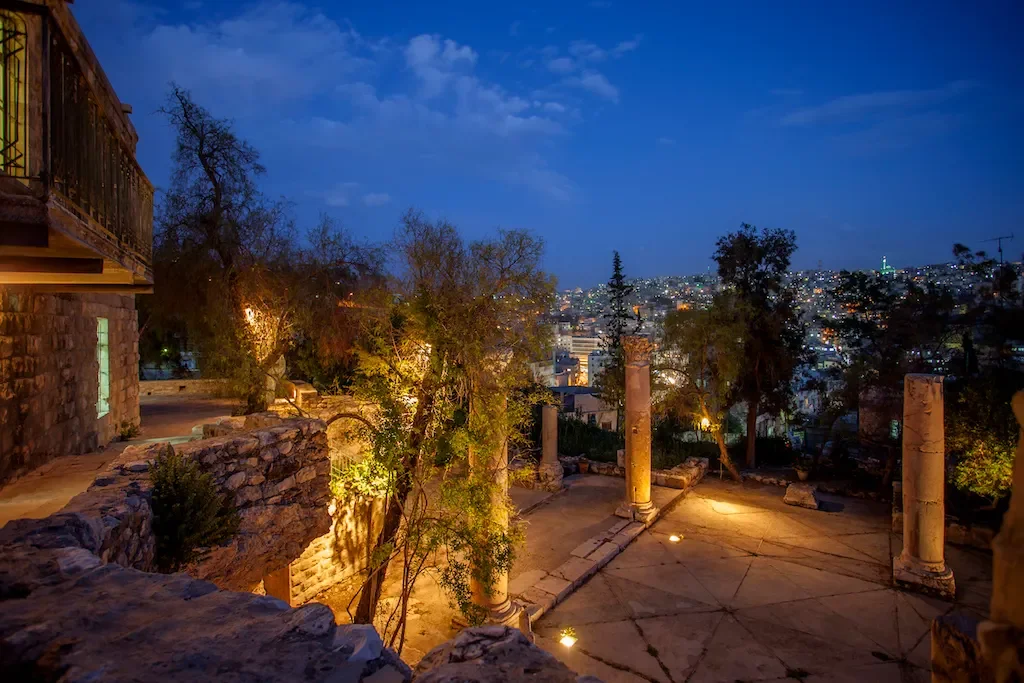
Amman’s art scene has developed through a steady network of institutions, galleries, collections, educational spaces, and design-led cultural practices. Its cultural economy is quieter than Beirut’s, but it remains significant to the wider Levantine field. Darat al Funun, founded as a home for the arts and artists from the Arab world, has long supported exhibitions, residencies, research, and public programming in Amman. The Jordan National Gallery of Fine Arts, with a permanent collection of more than 3,000 works from the Islamic and developing worlds, offers another institutional anchor through which art is collected and preserved.
Courtesy of Darat al Funun
Amman’s gallery landscape adds to this sustained cultural economy. Spaces such as Wadi Finan, Orient Gallery, and Jacaranda Images have helped build visibility for artists in Jordan and the wider region. Their role is not only commercial. In markets where public infrastructure is limited, spaces like these often become places of introduction, mediation, education, and continuity. They support artists, build collector relationships, stage exhibitions, and create forms of recognition that may later travel elsewhere.
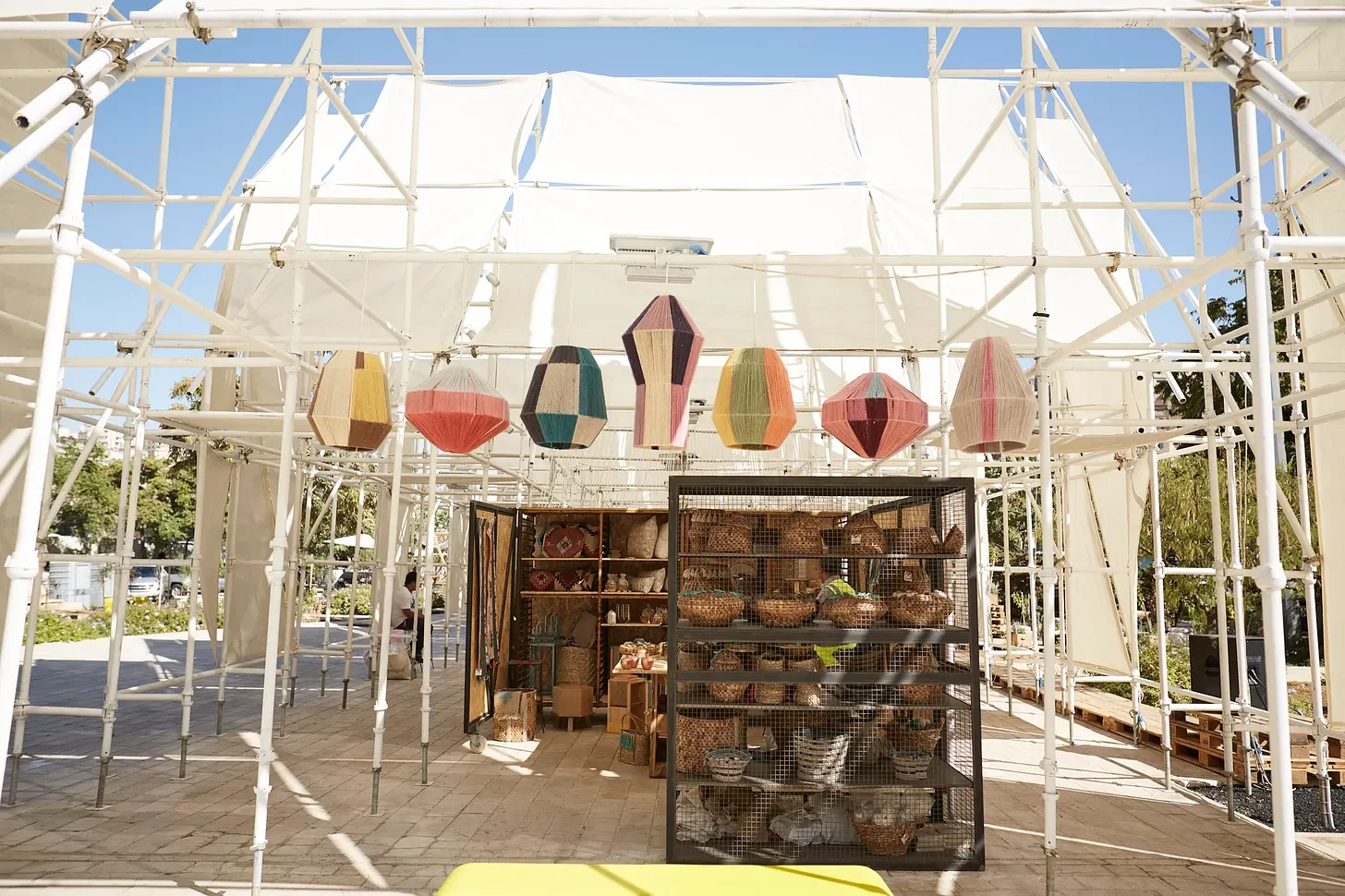
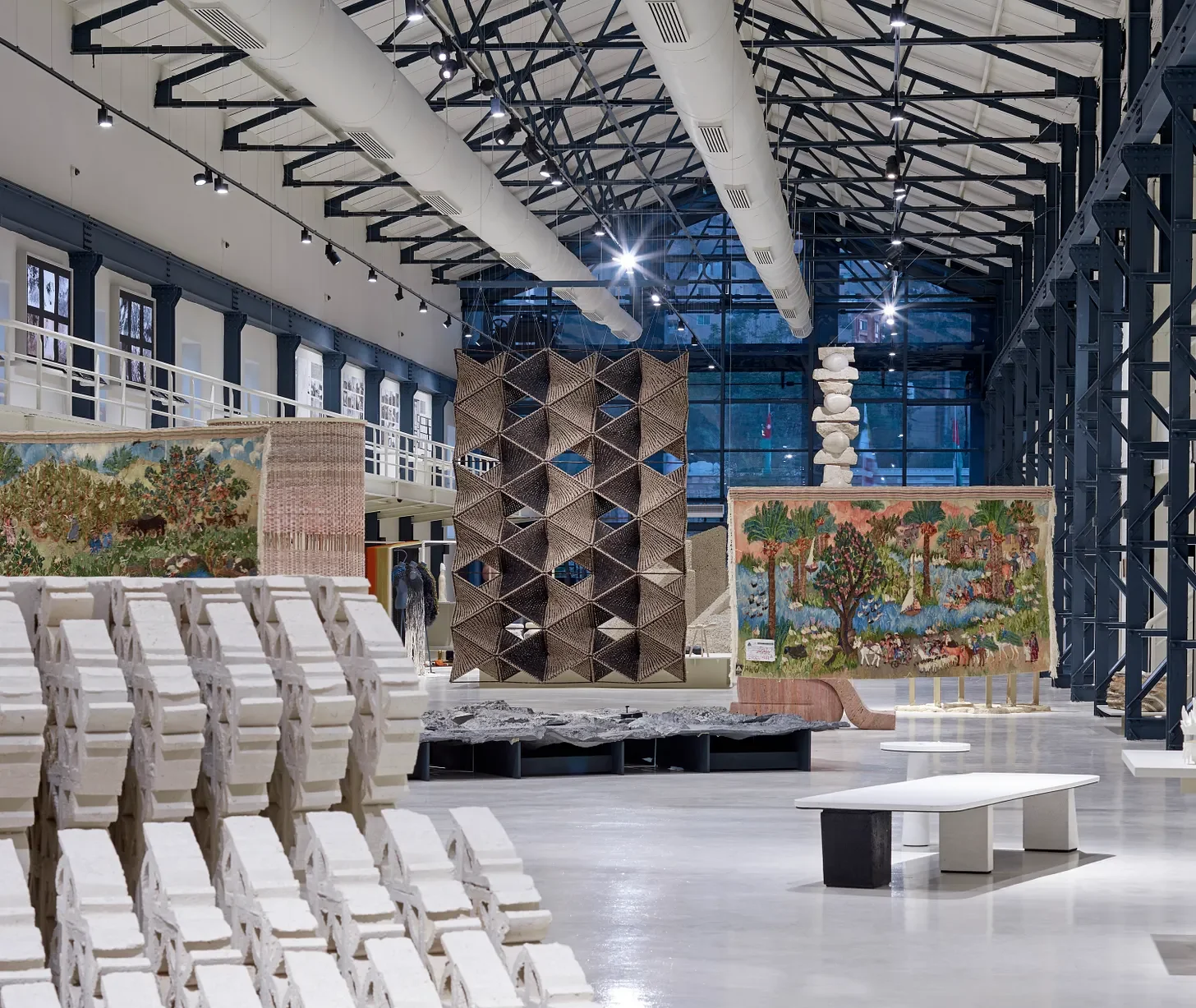
Amman Design Week can be read within this longer cultural landscape rather than as a standalone event. Its return in October under the theme Accumulations offers a timely frame for thinking about the city, while also pointing to forms of work that have been developing over time. Through design, craft, architecture, publishing, material culture, and public programming, it brings together practices that already shape Amman’s cultural economy.
Courtesy of Amman Design Week
Palestine and Syria complicate the language of a regional art market in different ways. Palestine cannot be approached through the same market terms used for Beirut or Amman, particularly in a context shaped by occupation, fragmentation, restricted movement, and the ongoing struggle to preserve cultural life. Institutions such as the Palestinian Museum in Birzeit, the A. M. Qattan Foundation, the Khalil Sakakini Cultural Center, and Riwaq work across history, education, archives, architecture, research, and public programming. Their work belongs to a broader cultural infrastructure, where preservation, study, access, and public engagement carry a significance that cannot be measured through market development alone. Syria brings another history into this conversation. Damascus carries an important modern artistic legacy, shaped by artists, schools, exhibitions, and cultural institutions that formed part of the wider history of Arab modernism. In recent years, the contemporary visibility of Syrian art has been deeply affected by war, displacement, and the interruption of local infrastructure, with many Syrian artists now circulating through Beirut, Amman, Istanbul, Dubai, Europe, and other diasporic contexts.
Seen together, these contexts expand what can be understood as market infrastructure across the Levant. The fair, the auction, the gallery district, the museum acquisition, and the private collection remain useful points of reference, but they do not account for the full range of cultural work through which artistic value is formed. Archives, foundations, artist-run initiatives, cultural centres, educational programmes, diasporic networks, and the preservation of modern artistic histories are all part of this field. Beirut remains historically central, while Amman, Ramallah, and Damascus each contribute differently to the way art is supported, held, and carried across contexts. Rather than forming around a single market centre, the Levantine art market continues to take shape through the relationships that connect these places, and through the cultural work that allows artistic practices to be recognised and carried forward.
Images courtesy of Amman Design Week.
Words copyright of Naso Art Journal.
