
A Simple History of Photographing Everyday Life in Palestine
Written by Sarah
Before 1948
Photography became established in Palestine during the nineteenth century, when the region attracted photographers from Europe and elsewhere, many of whom focused on religious sites and landscapes associated with the biblical Holy Land. Alongside this growing body of foreign photographs, local photographers began developing their own studios and practices. Their photographs offered a record that included the people who lived there and the environments in which they lived.
By the beginning of the twentieth century, photography had become part of social life in Palestine. Portraits were made for individuals and families, while photographers also recorded their natural surroundings and public life.
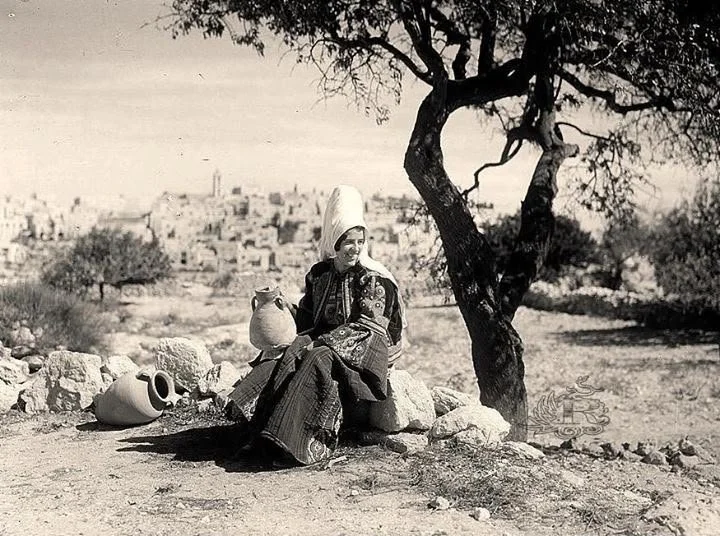
© The Library of Congress and the Planet Bethlehem Archive, University of Sussex.
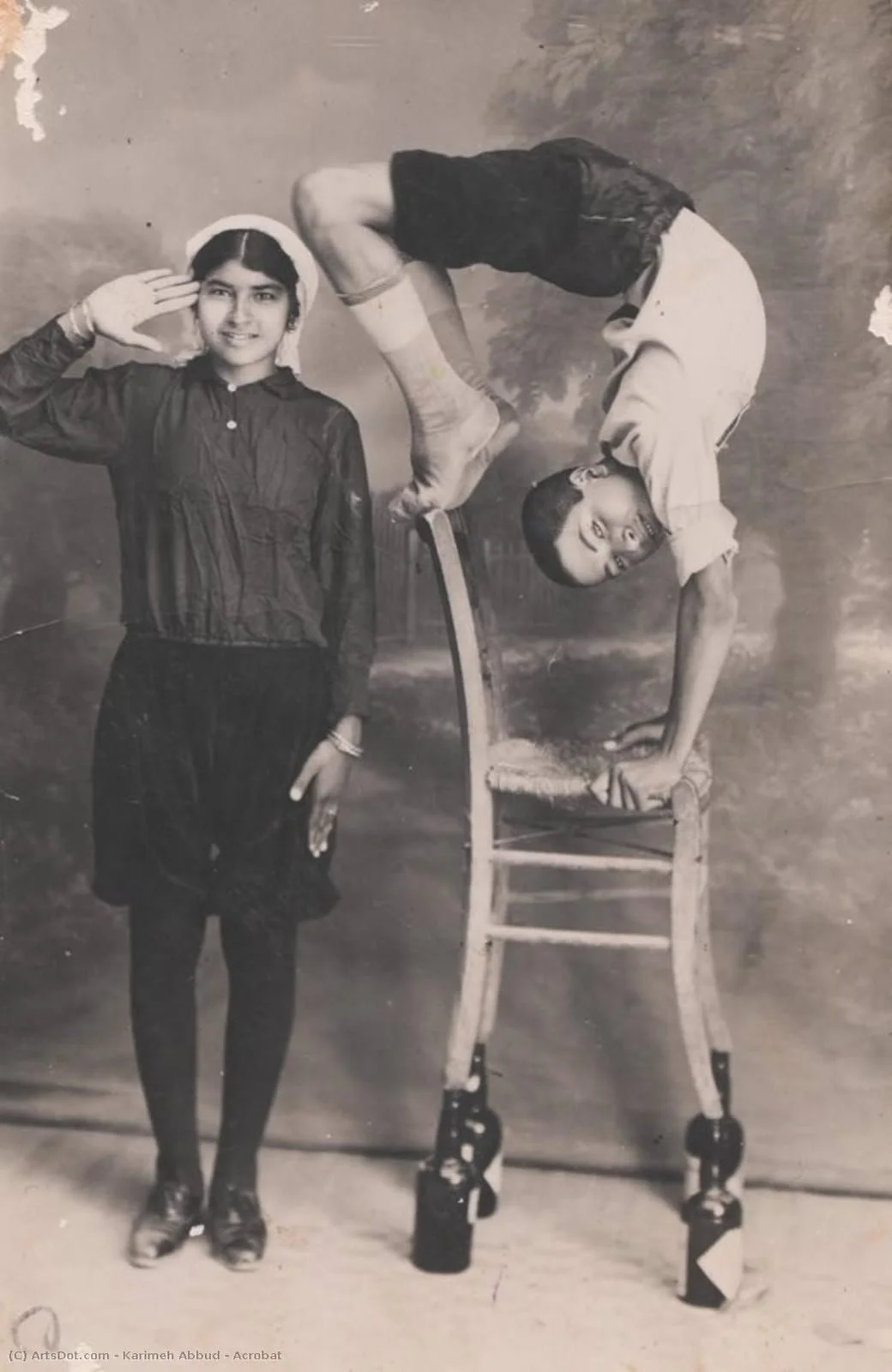
Karimeh Abbud began photographing in 1913 and became one of the earliest Palestinian women to work professionally as a photographer. Her portraits were often made in the homes of her subjects rather than in a formal studio. She used simple backgrounds and allowed people to remain in familiar surroundings, giving her photographs a different quality from the more controlled studio portrait. Her work provides an important record of social life in Palestine before 1948.
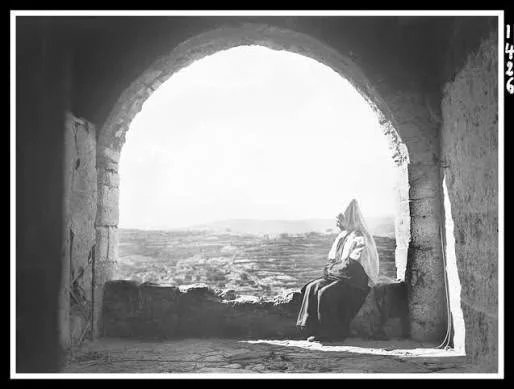
© Institute for Palestine Studies and Jerusalem Story
Khalil Raad was one of the most important local photographers working in Palestine during this period. Based in Jerusalem, his career lasted for more than five decades and produced an archive of around 3,000 photographs. His work moved between formal portraits and scenes of rural and urban life, creating a broad record of Palestine before the Nakba. Much of his archive survived the loss of his home and studio in 1948 and was eventually preserved by the Institute for Palestine Studies.
After 1948
The value of these photographs becomes more clear after the invasion and mass displacement of 1948 transformed Palestinian communities. Photographs made before this rupture preserved traces of lives that had been separated from their homes and surroundings.
The way people posed, dressed, gathered and their surroundings becomes part of the archive. These details offer glimpses into the social worlds represented in the photographs, giving the images another significance after those worlds were disrupted and dispersed.
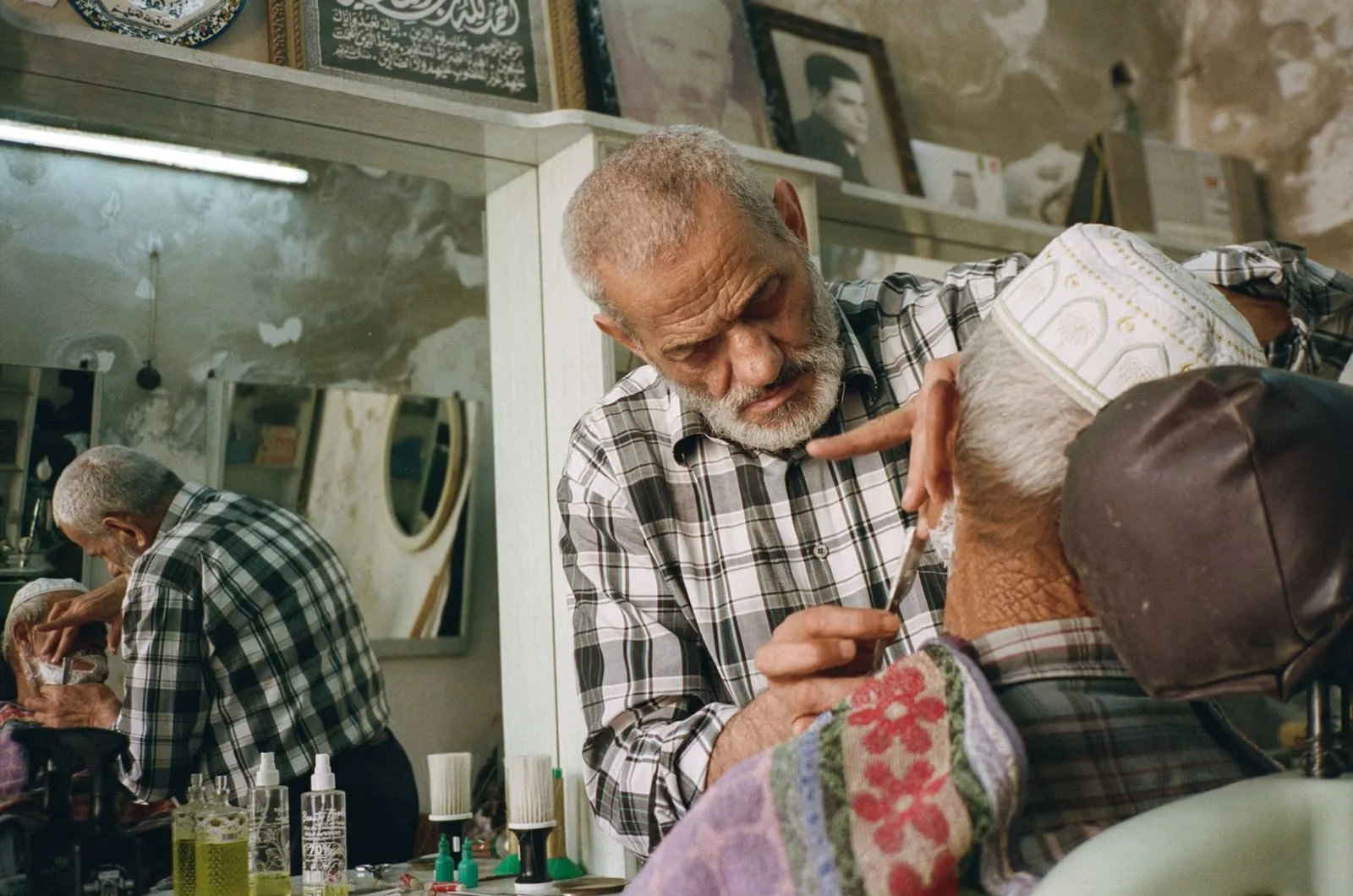
© Adam Rouhana
Contemporary record of Palestinian lives
This history continues with contemporary photographers like Adam Rouhana with his project Before Freedom. The ongoing series looks at Palestinian life through photographs made across historic Palestine, with Rouhana describing his intention as showing what life looks like in a place that is often discussed but rarely seen in this way.
The connection to Raad is also direct. In 2025, Rouhana’s Permission to Narrate was presented alongside Raad’s archive at the Palestinian Museum, where he used large-format photographic techniques associated with Raad for contemporary Palestinian portraits. More than a century apart, their photographs return to the same subject, people living in and photographing their own surroundings.
Words copyright of Naso Art Journal.
