
Art Dubai and the Shape of What Comes Next
Art Dubai’s 2026 edition was meant to mark a milestone: twenty years of steady ascent, of a regional fair evolving into a global node linking the Middle East, South Asia, and Africa. Instead, it arrives altered: postponed, compressed, and carefully reconfigured under the pressure of war.
This is not simply a change of schedule or format. It is a shift in what the fair can realistically offer, and in what audiences -collectors, galleries, institutions - should expect from it. What emerges from this is a quieter but more deliberate proposition: a fair that acknowledges its context, operates with restraint, and leans into its role as a cultural meeting point rather than an engine of momentum. That change in tone is measured, adaptive, and conscious of its surroundings. So, what to expect at this year’s edition?
Founded in 2007, Art Dubai has grown into one of the most significant platforms for the “Global South,” convening around 120 galleries from more than 35 countries while combining market activity with institutional programming and discourse.
But the 2026 edition delayed to May amid regional conflict marks a decisive break. Organisers have explicitly reframed it as a “more focused, curated, and flexible” cultural gathering, rather than a conventional fair.
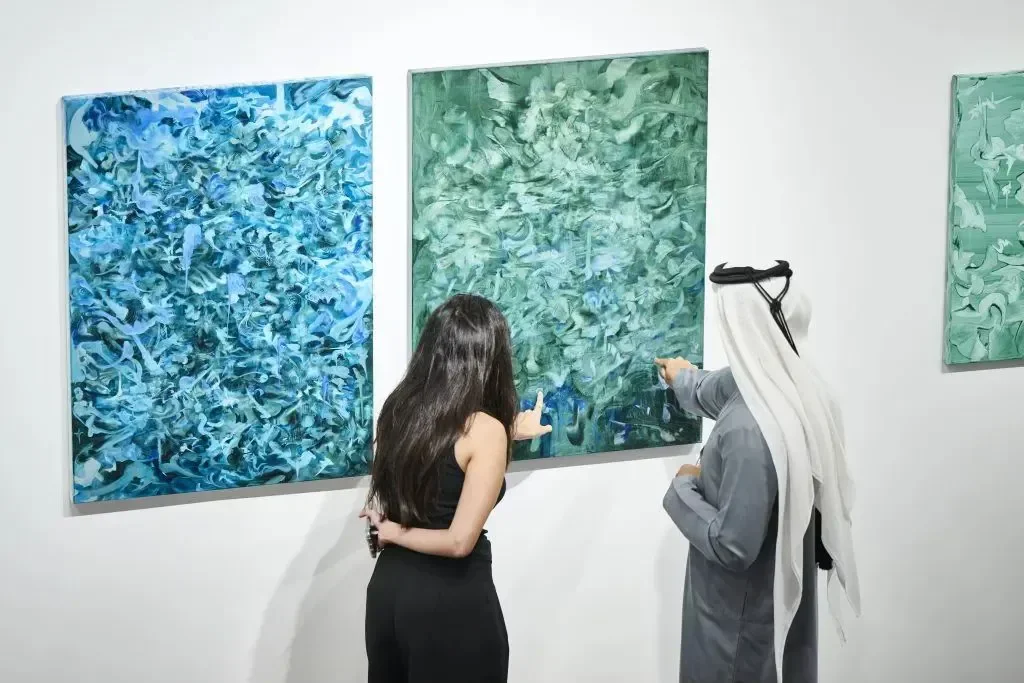
A Market That Turns Inward
Paradoxically, the weakening of international flows reveals the strength of something else: the regional base.
Translated into the art market, this suggests a rebalancing:
from itinerant global collectors to embedded regional ones,
from speculative buying to culturally anchored acquisition,
from visibility to continuity.
Art Dubai, long positioned as a bridge between regions, may now deepen its role as a platform grounded in its immediate context, rather than merely passing through it.
The Politics of Cultural Presence
It is impossible to separate this edition from its geopolitical backdrop. Across the region, museums have closed, artworks have been moved into storage, and cultural heritage faces direct threat.
In such a climate, the act of staging an art fair becomes charged. It is no longer neutral.
Art Dubai’s insistence on continuing, albeit in altered form, signals a belief that the fair is not just a market mechanism but part of a wider cultural ecosystem that must be maintained, even under duress.
This positions the fair as an actor within the cultural field, not merely a facilitator of transactions.
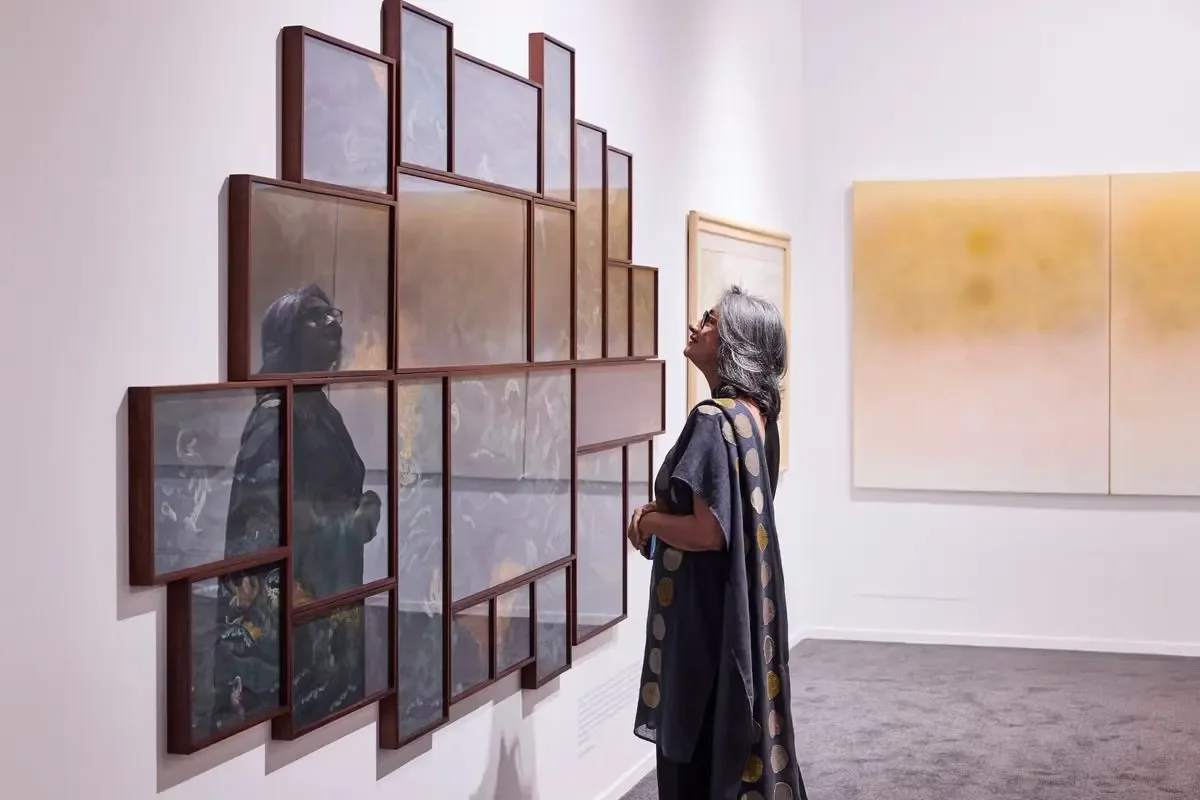
A visitor at art Dubai 2025 - © Cedric Ribeiro / Spark Media
The Emergence of a Different Tone
This interruption produces a tonal recalibration that is, paradoxically, productive.
1. From Transaction to Context
With fewer international visitors and logistical friction, the fair is likely to lean more heavily on regional audiences and narratives. This mirrors a broader shift in Dubai’s luxury economy, where local collectors and residents increasingly sustain demand in times of crisis.
2. From Scale to Depth
The “adapted format” suggests a move away from sheer volume toward curated intensity—talks, commissions, and discursive programming. This aligns with a global trend toward experience-led collecting and art as event-space.
3. From Neutral Platform to Cultural Actor
In a context where cultural heritage is directly threatened by conflict, art fairs cannot remain neutral marketplaces.
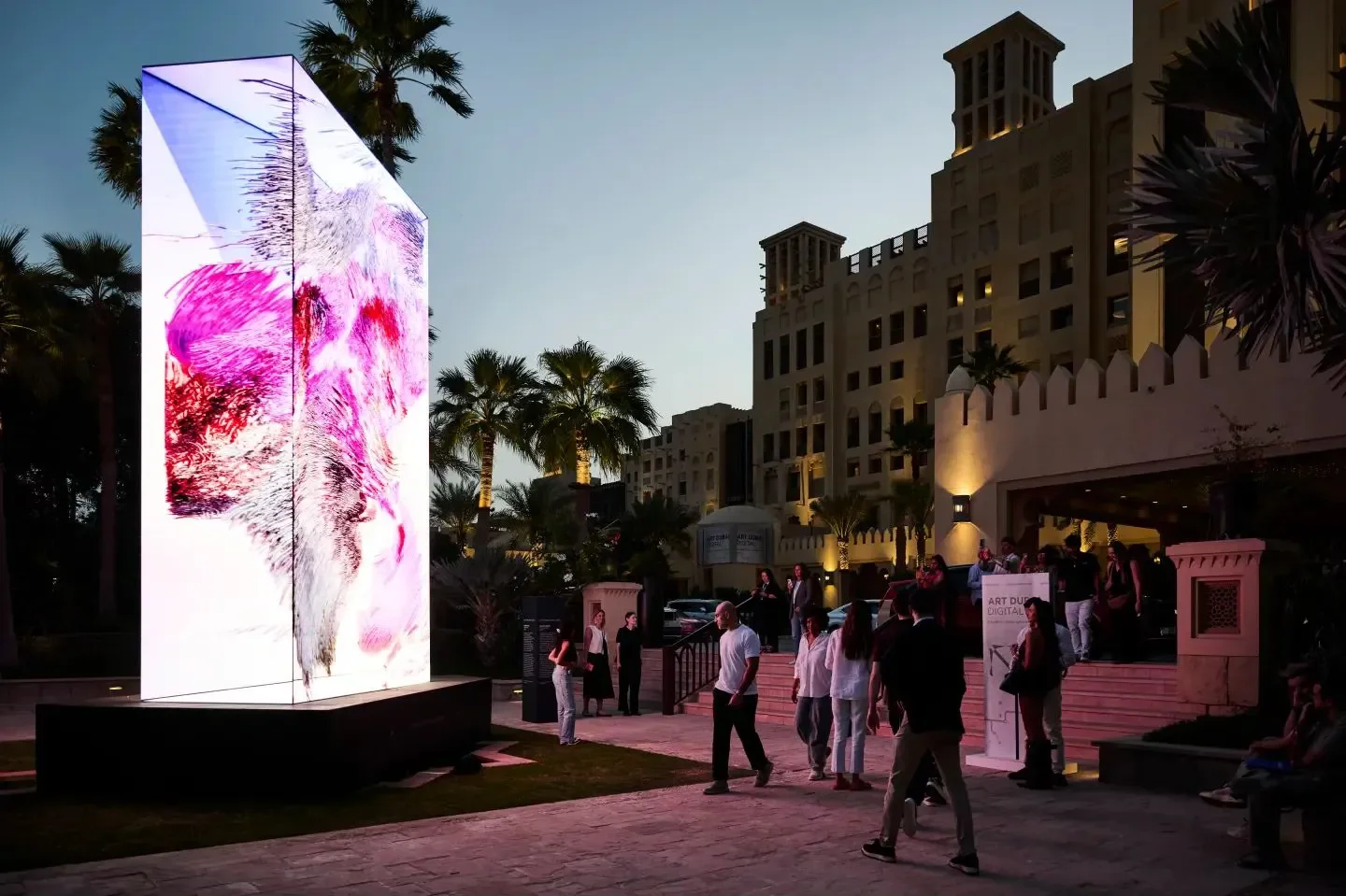
Courtesy of Barjeel Art Foundation
Copyright of Naso Art Journal
Getty Images for Art Dubai
